

Acute Low Back Pain
Expert care for Acute Low Back Pain at Gentle Care Chiropractic in West Linn, Oregon.
Understanding Acute Low Back Pain
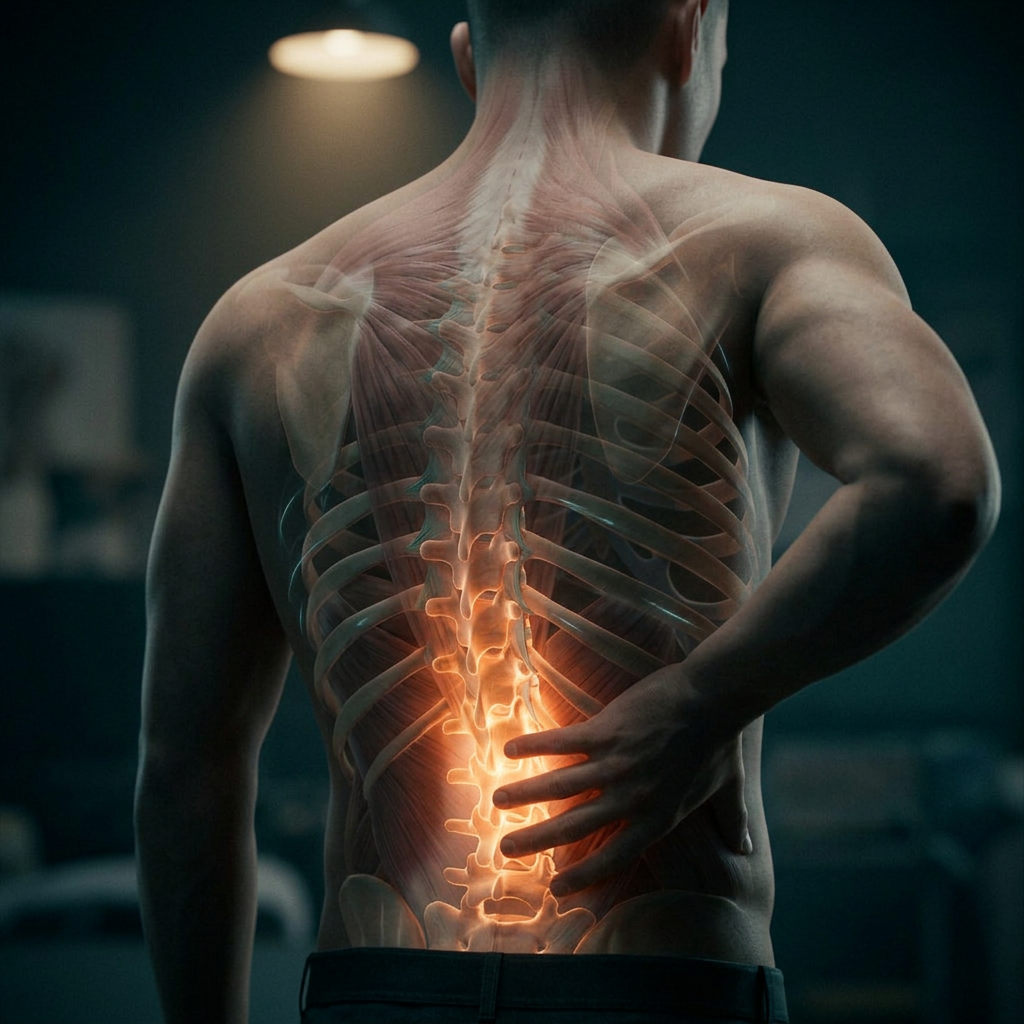
Also known as: Lumbago, Mechanical Low Back Pain, Sudden-Onset Back Pain Most people assume that sudden, sharp back pain means something is seriously damaged. That fear is understandable — when your back locks up and you can't stand upright, it feels catastrophic. But here's what I find myself explaining constantly in the clinic: most acute low back pain is "mechanical," meaning the joints and soft tissues are irritated, not structurally broken. The five lumbar vertebrae that carry most of your body weight are surrounded by muscles, ligaments, facet joints (small paired joints at the back of each spinal segment), and intervertebral discs (the cushioning structures between each vertebra).
Any of those can be the source. The reassuring part is that acute low back pain — defined as pain lasting less than six weeks — responds very well to conservative chiropractic care. You may have felt a sudden sharp catch when you bent to pick something up, twisted to grab a seatbelt, or stepped off a curb awkwardly. What follows is usually muscle spasm, stiffness across the belt line, and that uncomfortable inability to stand fully upright.
Pain can stay local to one side or spread across the low back, sometimes referring into the buttock or upper thigh. Coughing, sneezing, and long periods of sitting tend to flare it; gentle movement and walking — once you get going — tend to ease it. The triggers matter. Poor lifting mechanics, a sudden rotation while reaching, deconditioning, weak core musculature, and prolonged sitting all prime the spine for an acute flare.
So does stress — I've seen more than a few patients who tweaked their back during a completely ordinary movement after a particularly brutal week at work. The nervous system is not a passive bystander in pain. Prior episodes of back pain, physically demanding work, and pregnancy-related loading are also meaningful risk factors worth knowing. So: where does care fit in?
Evidence-based guidelines consistently name spinal manipulation as a first-line option for acute low back pain — not a last resort after everything else fails, but a genuine starting point. We begin with a thorough exam to rule out red flags, then use gentle lumbar adjustments, flexion-distraction (a traction-based technique that decompresses the disc and mobilizes the joints without any forceful thrust), and myofascial release for tight paraspinal and gluteal muscles. Class IV laser therapy and electrical stimulation can calm inflammation quickly in the acute phase. We add McKenzie directional exercises and ergonomic coaching so you understand how to protect your back at work and at home.
Most acute cases improve significantly within two to six visits over two to four weeks. If you're not progressing or new neurological signs appear — leg weakness, foot numbness, changes in bladder or bowel function — we refer out promptly. We may recommend: diversified adjustments, flexion-distraction/Cox, myofascial release, McKenzie directional exercises, Class IV laser, TENS/e-stim, ergonomic coaching Seek immediate care if: You develop loss of bowel or bladder control, saddle-area numbness (inner thighs and groin), progressive leg weakness, unexplained fever, or pain following significant trauma — these may signal cauda equina syndrome, fracture, or other emergencies requiring urgent evaluation.
How We Can Help
At Gentle Care Chiropractic, we take a multi-disciplinary approach — addressing the root cause of your condition, not just the symptoms.
Chiropractic Adjustments
Precise spinal and joint corrections to restore alignment, relieve nerve pressure, and reduce pain — manual or instrument-assisted based on your needs.
Massage Therapy
Therapeutic massage releases muscle tension, improves circulation to injured tissue, and works synergistically with adjustments for faster recovery.
Physical Rehabilitation
Customized exercise programs strengthen supporting muscles, restore range of motion, and help prevent future flare-ups.
Laser Therapy
Cold laser therapy uses targeted light wavelengths to stimulate cellular healing, reduce inflammation, and relieve deep tissue pain without heat or discomfort.
Electrical Stimulation
E-stim therapy reduces pain and muscle spasm, improves circulation, and supports the healing process — especially effective for acute injuries.
Personalized Care Plan
Every patient is different. We combine these therapies in a plan tailored to your diagnosis, goals, and lifestyle for the best possible outcome.
Ready to Find Relief?
You don't have to live with Acute Low Back Pain. Our team at Gentle Care Chiropractic is here to help you recover and get back to doing what you love.