
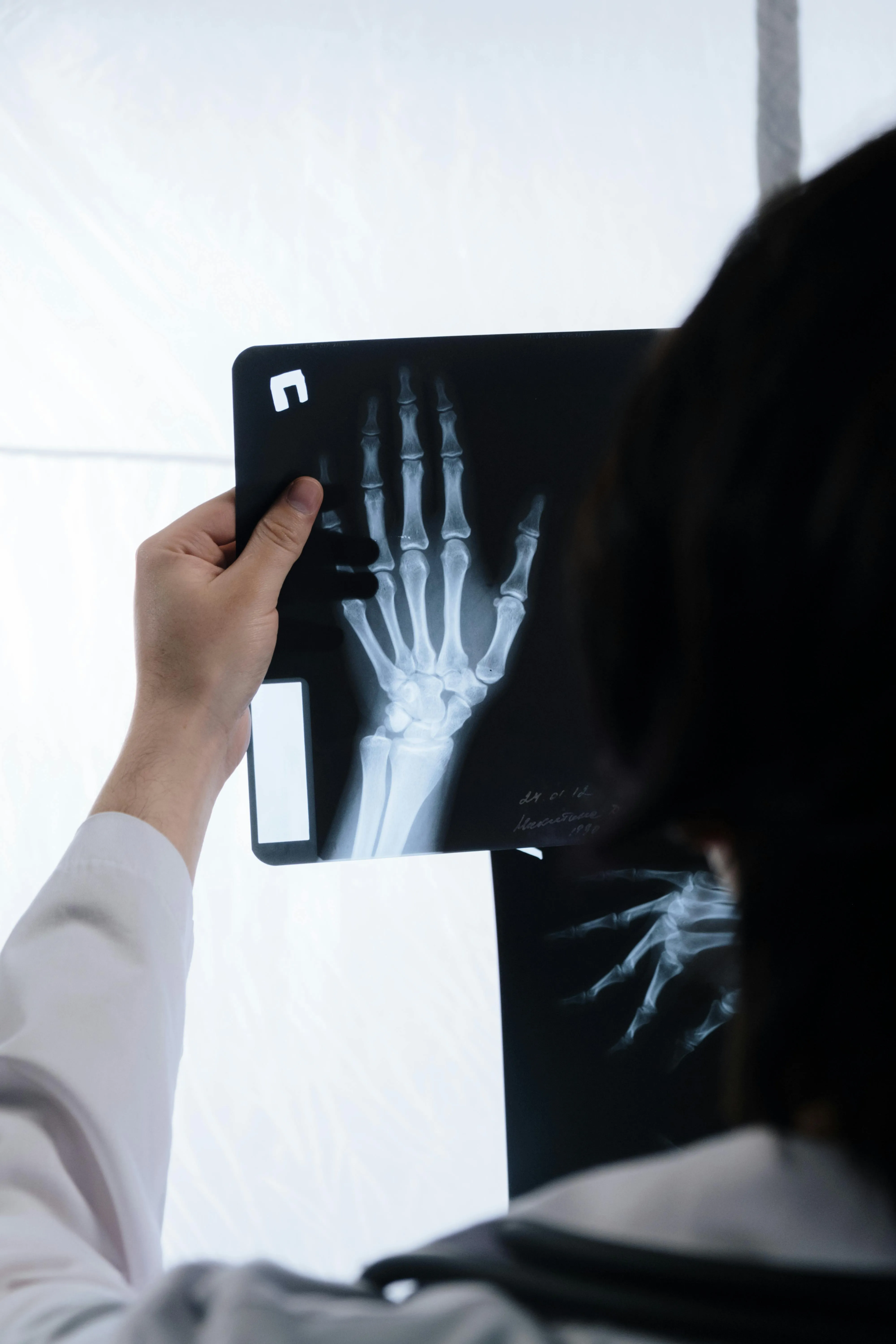
Digital X-Rays
See what's really going on — so we can treat it right.
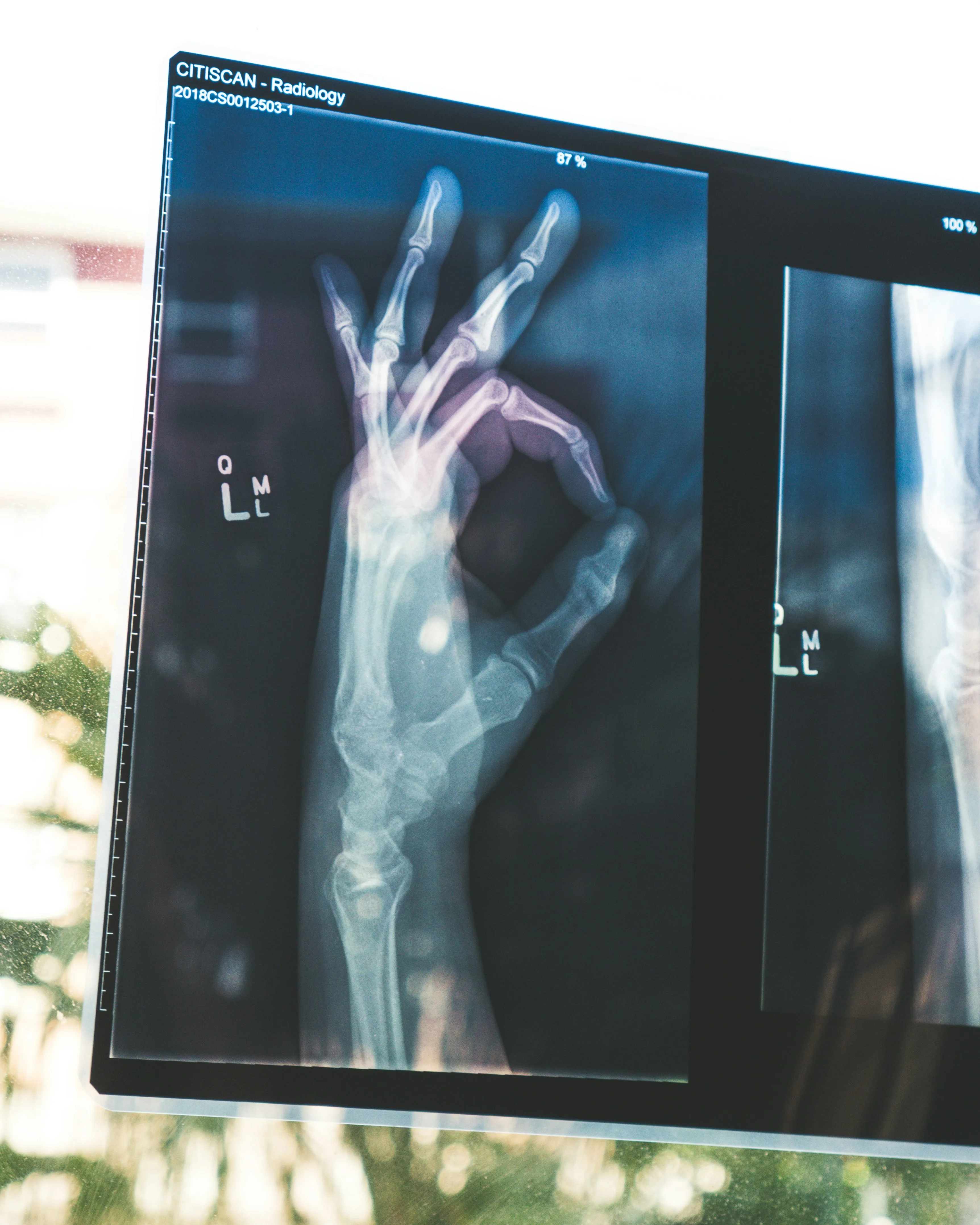
Why X-Rays Are Essential After an Injury
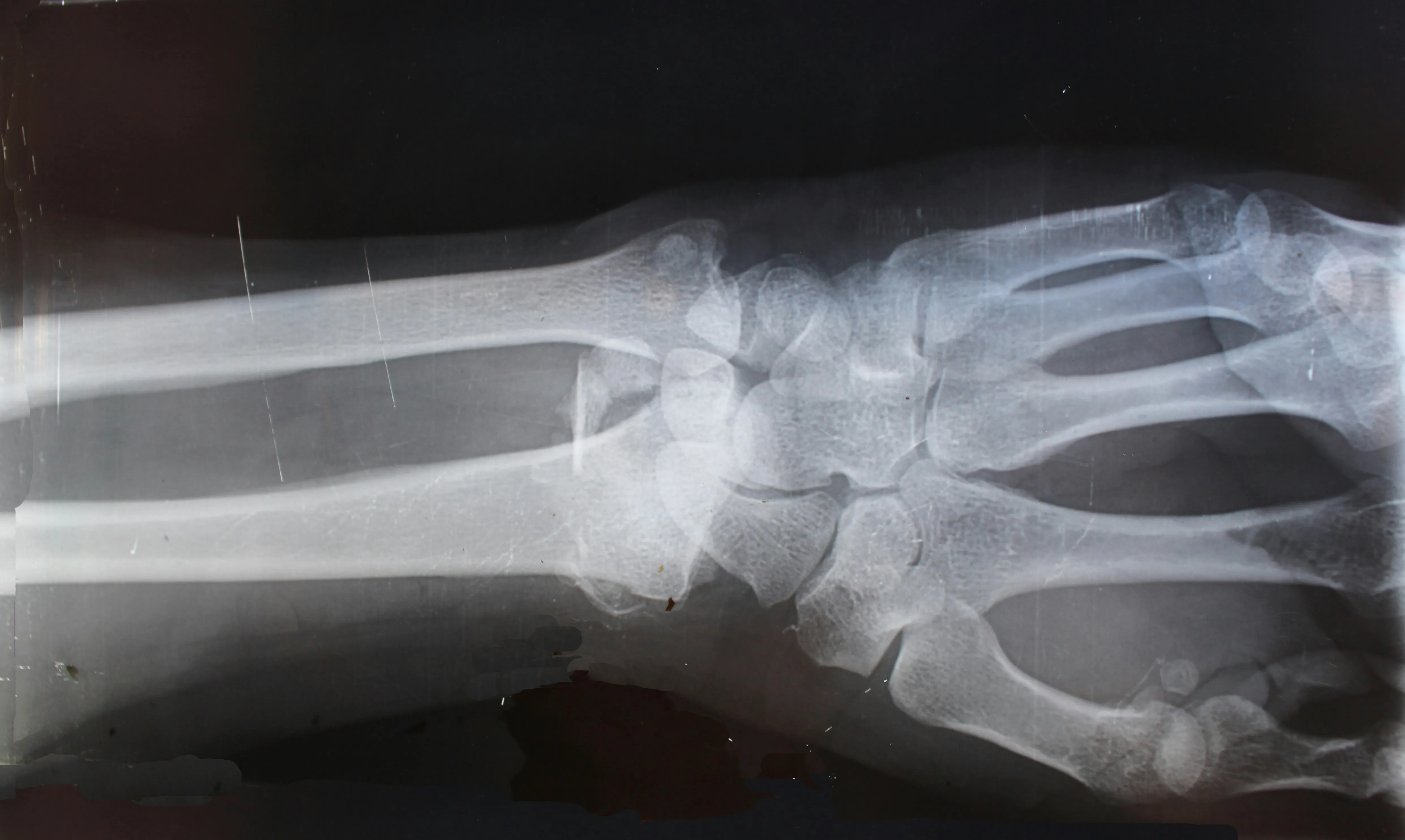
After a motor vehicle accident or any significant trauma, the damage isn't always visible on the surface. Soft tissue injuries, misalignments, and even hairline fractures can go undetected without proper imaging.
At Gentle Care Chiropractic, we use digital radiographic exams to get a clear picture of your spine and skeletal system — so your treatment plan is based on evidence, not guesswork.
- Identify fractures, dislocations, and misalignments
- Assess spinal curvature and disc spacing
- Detect degenerative joint changes
- Document injuries for insurance and legal purposes
- Guide precise chiropractic adjustments
Cervical Instability Assessment
Cervical instability — excessive movement in the upper spine — is one of the most commonly overlooked injuries following a car accident. Without proper imaging, it can lead to chronic headaches, neck pain, dizziness, and neurological symptoms.
Our radiographic assessment helps evaluate:
Ligament integrity
Damage to the ligaments that stabilize the cervical spine
Vertebral alignment
Shifts or subluxations that indicate structural instability
Disc health
Signs of herniation, bulging, or degeneration
Nerve compression
Narrowing of spaces where nerves exit the spine
Early detection of cervical instability is critical — left untreated, it can worsen over time and become much harder to correct.
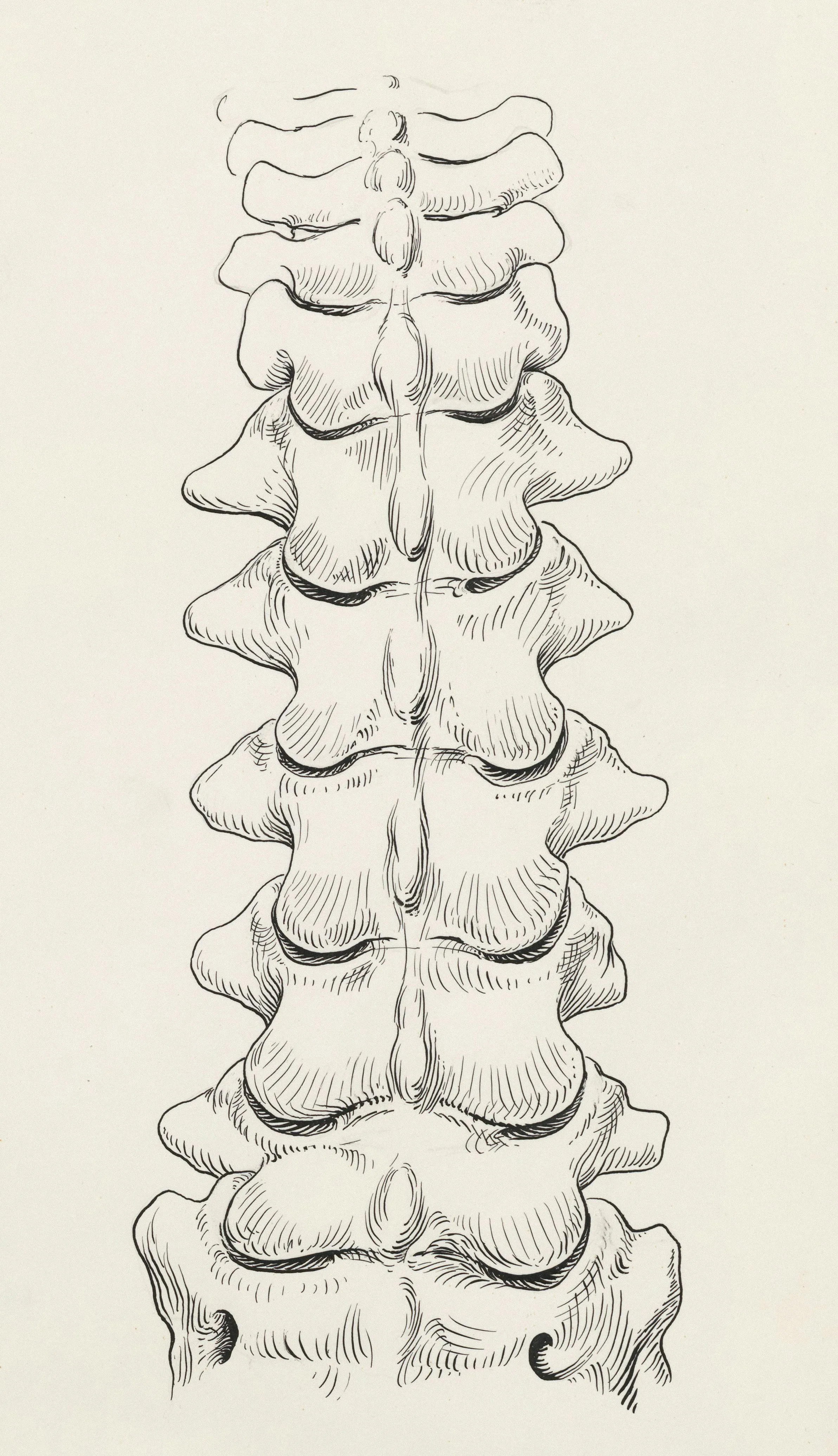
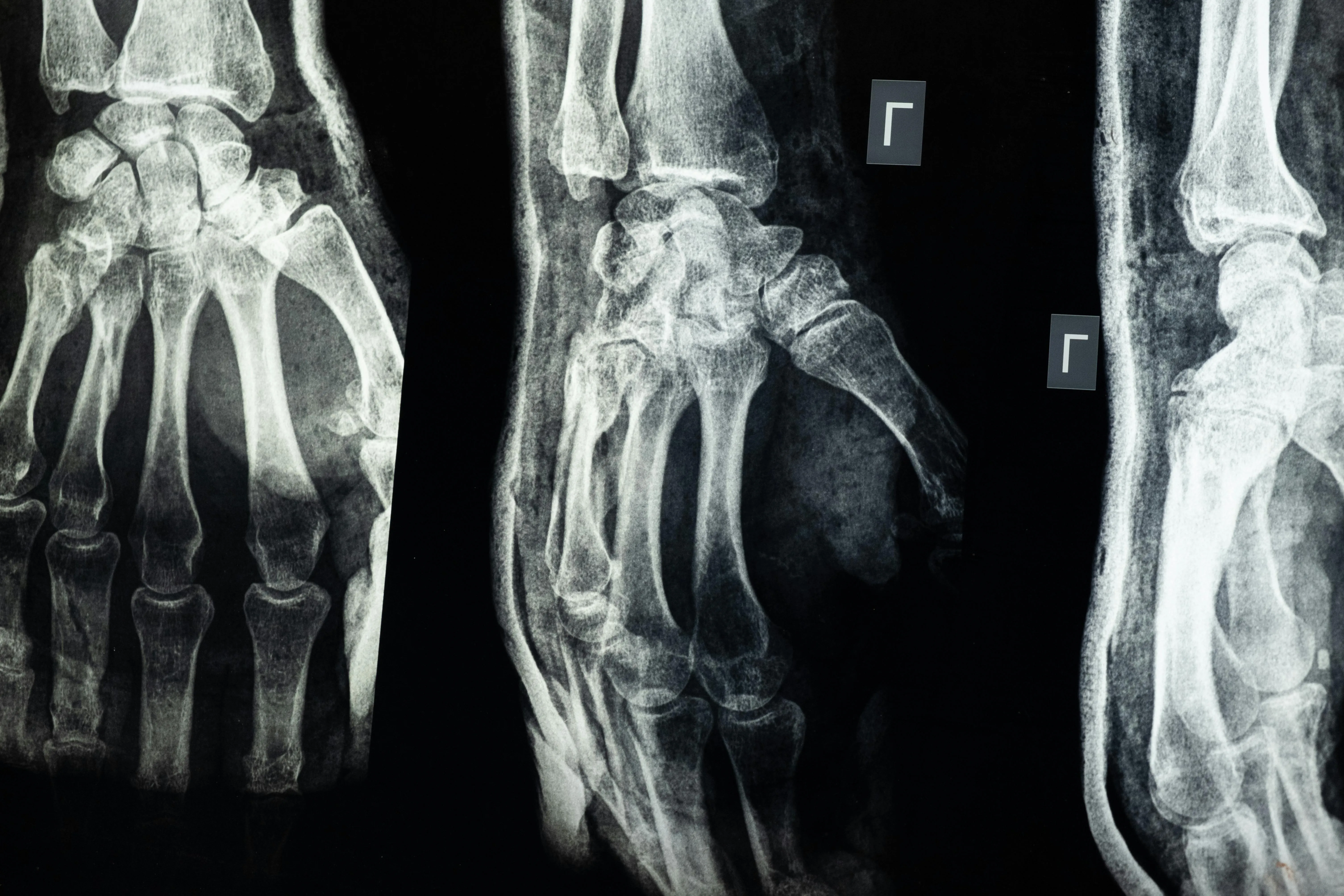
Flexion-Extension X-Ray Studies
Standard X-rays capture your spine in a static position. But many injuries — especially ligament damage from auto accidents — only become visible when the spine is in motion. That's where flexion-extension studies come in.
During this specialized exam, we take X-rays while you gently bend forward (flexion) and backward (extension). This reveals abnormal movement patterns that static images simply can't show.
Abnormal vertebral translation (slipping) during movement
Ligament laxity not visible on standard X-rays
Segmental instability in the cervical or lumbar spine
Hidden injuries that could lead to chronic pain if untreated
These studies are particularly important for auto accident cases and can provide strong supporting evidence for insurance claims and legal proceedings.
What to Expect During Your X-Ray
Getting X-rays at our office is quick, comfortable, and hassle-free. Here's what the process looks like:
Check-In & Review
We review your medical history, symptoms, and the reason for your visit to determine which views are needed.
Positioning
Our technician will position you carefully to capture the most diagnostically useful images. You may be asked to stand, sit, or lie down.
Image Capture
The X-ray itself takes just seconds. Our digital equipment produces high-resolution images with minimal radiation exposure.
Immediate Review
Your doctor reviews the images right away — no waiting days for results. We discuss findings with you during the same visit.
Treatment Planning
Based on the X-ray findings, we develop a personalized treatment plan tailored to your specific condition and goals.
Documentation
All images are securely stored in your digital file and can be shared with other providers, attorneys, or insurance companies as needed.
Benefits of In-House Digital Imaging
Having X-ray equipment right here in our West Linn office means faster diagnoses, better continuity of care, and less hassle for you.
Everything you need — under one roof.
Frequently Asked Questions
Answers to the most common questions about in-house digital X-rays at Gentle Care Chiropractic.
01 Why does a chiropractor need to take X-rays?
X-rays give us structural information that no examination alone can provide — the precise angle of spinal misalignment, the condition of disc spaces, the presence of degenerative changes, and critically, the stability of the spine. For auto accident patients in particular, certain injuries like ligament laxity and cervical instability are only diagnosable on stress X-rays. Adjusting without this information means treating blindly.
02 Are digital X-rays safe?
Yes. Digital X-rays use significantly less radiation than traditional film X-rays — typically 50–80% less. The dose is comparable to a short airplane flight or a few days of natural background radiation. We take X-rays only when clinically indicated, and we use lead shielding as standard practice. For pregnant patients, we defer to diagnostic ultrasound unless there's a compelling clinical reason.
03 How quickly will I get my X-ray results?
Because we develop digital X-rays in-house, results are available immediately. Dr. Maceiras reviews the images with you during the same appointment and explains exactly what he's seeing. There's no waiting days for a radiologist's report for a standard chiropractic X-ray.
04 Does insurance cover chiropractic X-rays?
Oregon auto insurance PIP covers diagnostic X-rays taken in connection with an accident injury. Health insurance coverage varies by plan — most major medical plans cover X-rays when medically necessary, which we document thoroughly. Workers' comp also covers diagnostic imaging related to the workplace injury. We verify your coverage before imaging and won't surprise you with unexpected costs.
05 What can X-rays reveal that helps my treatment?
Spinal X-rays can identify loss of normal curvature (like military neck or loss of lumbar lordosis), disc space narrowing, bone spurs, fractures, spondylolisthesis (vertebral slippage), and the degree of degenerative change. This information directly shapes your treatment plan — some findings indicate that certain techniques are appropriate, while others require modified approaches. X-rays also serve as a baseline, so we can objectively measure improvement over time.

Get the Answers You Need — Schedule Your X-Ray Today
Whether you've been in an accident, are dealing with persistent pain, or need imaging for a new treatment plan, our in-house digital X-ray services make it easy to get accurate answers fast.