

Chronic Low Back Pain
Expert care for Chronic Low Back Pain at Gentle Care Chiropractic in West Linn, Oregon.
Understanding Chronic Low Back Pain
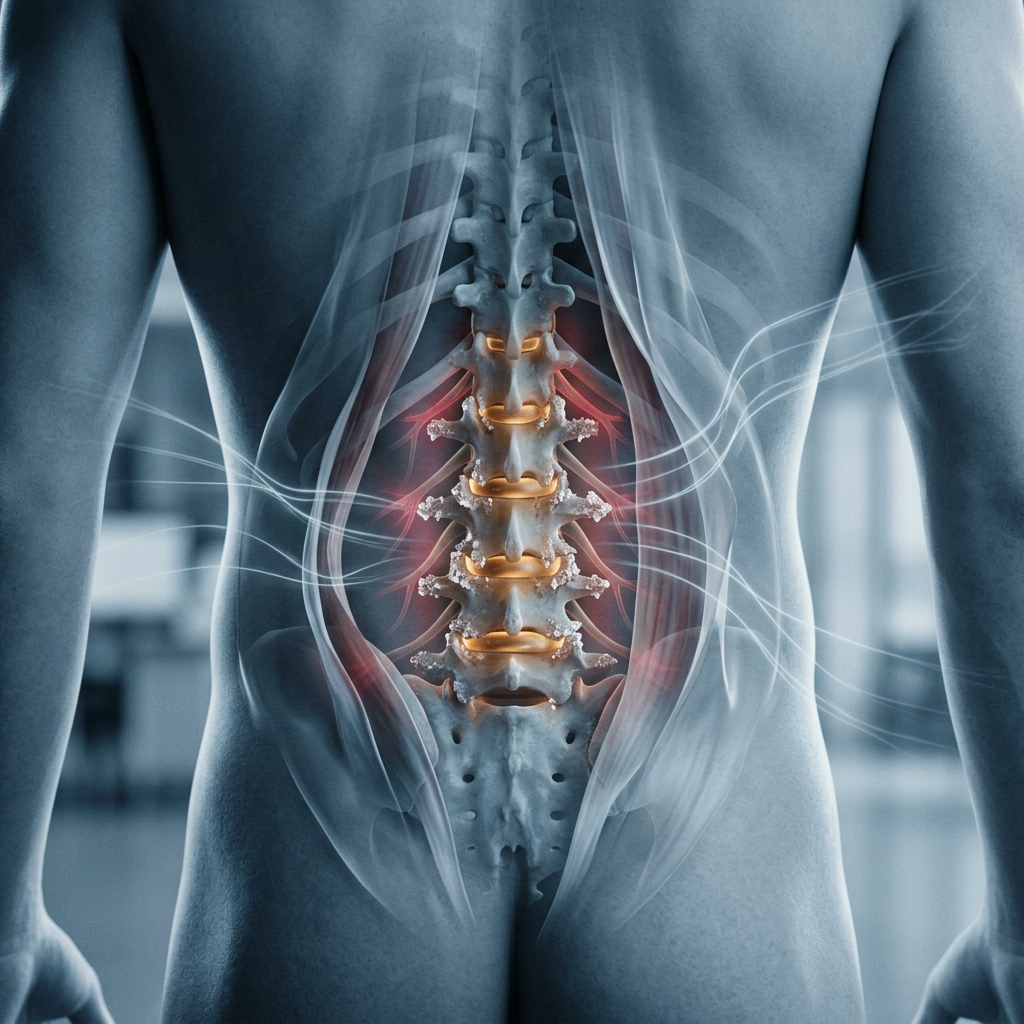
Also known as: Persistent Low Back Pain, Long-Term Back Pain Chronic low back pain (pain lasting more than twelve weeks) is a different animal than an acute flare, and it deserves a different explanation. A lot of patients come in having been told their imaging is "just normal aging" or that they need to "learn to live with it. " Neither framing is especially helpful. What's actually happening in most cases is a mix of structural changes (disc wear, facet arthritis), muscular deconditioning, and what researchers call central sensitization, a process where the nervous system itself becomes more reactive over time, amplifying pain signals that would otherwise stay quiet.
Understanding this "biopsychosocial" picture changes how we approach care, because sleep, stress, beliefs about pain, and movement confidence matter just as much as the mechanical side of things. You probably know what this feels like from the inside: stiffness worst in the morning or after long sitting, an ache that varies from a manageable 3/10 to an ugly 7/10 depending on the week, flares that arrive without obvious cause and linger for days. Many patients tell me they've stopped doing things they used to love (hiking, playing with the grandkids, weekend projects) because they're bracing for the next bad stretch. That pattern of avoidance tends to make things worse, not better.
Movement, done intelligently, is medicine. Risk factors include sedentary work and lifestyle, prior back injuries, poor lifting habits, obesity, smoking, unmanaged stress, and insufficient strength through the core and hips. Research shows that central sensitization is often present in chronic cases, and (worth knowing) patients who see a chiropractor first have significantly lower odds of long-term opioid use than those who begin with a prescribing provider. That's not a knock on other providers; it's a useful data point about what's possible with conservative care.
Our approach is multimodal because chronic pain is multifactorial. We use spinal manipulation, flexion-distraction, and instrument-assisted adjusting (Activator) to restore joint mobility, paired with soft-tissue techniques like Graston/IASTM and trigger point therapy to quiet irritated muscles. We build your resilience with McGill's "Big 3" core exercises, hip strengthening, and graded activity so you can return to what matters. PEMF and Class IV laser help calm inflammation and support tissue healing.
Ergonomic coaching, sleep hygiene, and stress-management guidance round out your plan. Conservative care over eight to twelve weeks typically produces meaningful, lasting improvement, and for most patients, occasional maintenance visits help keep the gains. We co-manage with pain medicine or orthopedics when that's genuinely needed. We may recommend: diversified adjustments, flexion-distraction/Cox, Graston/IASTM, corrective exercise, Class IV laser, PEMF, ergonomic coaching, posture program Seek immediate care if: You develop new bowel or bladder changes, rapidly worsening leg weakness, unexplained weight loss, night pain that wakes you, or fever: these warrant prompt medical evaluation to rule out serious underlying conditions.
How We Can Help
At Gentle Care Chiropractic, we take a multi-disciplinary approach, addressing the root cause of your condition, not just the symptoms.
Chiropractic Adjustments
Precise spinal and joint corrections to restore alignment, relieve nerve pressure, and reduce pain. Manual or instrument-assisted based on your needs.
Massage Therapy
Therapeutic massage releases muscle tension, improves circulation to injured tissue, and works synergistically with adjustments for faster recovery.
Physical Rehabilitation
Customized exercise programs strengthen supporting muscles, restore range of motion, and help prevent future flare-ups.
Laser Therapy
Cold laser therapy uses targeted light wavelengths to stimulate cellular healing, reduce inflammation, and relieve deep tissue pain without heat or discomfort.
Electrical Stimulation
E-stim therapy reduces pain and muscle spasm, improves circulation, and supports the healing process. Especially effective for acute injuries.
Personalized Care Plan
Every patient is different. We combine these therapies in a plan tailored to your diagnosis, goals, and lifestyle for the best possible outcome.
Frequently Asked Questions
Common questions about Chronic Low Back Pain, answered by our team.
Why does my back hurt more some weeks than others even when I haven't done anything different?
Chronic low back pain behaves this way because it has a strong central sensitization component — meaning the nervous system itself has become more reactive over time, amplifying signals that would otherwise stay quiet. Sleep quality, stress levels, mood, and even weather changes can modulate pain intensity without any new structural event. This is not imaginary pain; it reflects real changes in how your brain and spinal cord process sensory input, and recognizing it helps explain why a bad week at work or a string of poor nights' sleep can trigger a flare without any obvious physical cause.
What is the best sleep position for chronic low back pain?
Side-lying with a pillow between your knees is the position most consistently reported to reduce overnight loading on the lumbar spine. Back-sleeping with a pillow or rolled towel under your knees is also well-tolerated and maintains the natural lumbar curve. Stomach sleeping tends to create sustained lumbar extension and neck rotation, which loads the facet joints and discs for hours — it's worth transitioning away from if you can. A medium-firm mattress is the most evidence-supported choice; very soft surfaces that allow the pelvis to sink tend to worsen morning stiffness.
Is it safe to exercise with chronic back pain, or will I make it worse?
Graded, consistent exercise is one of the most powerful tools for chronic low back pain and is far safer than avoiding movement. The research is clear: active patients do better than passive ones over the long term. The goal is to build load tolerance gradually — not to push through sharp flares. Core stabilization, walking, swimming, and cycling are excellent starting points. We build your home program progressively so your spine adapts without provocation. Patients who stay physically engaged with their recovery consistently outperform those who wait for pain-free windows.
I've had cortisone injections and they only helped for a while. Is there anything different chiropractic offers?
Injections are excellent for calming acute nerve-root or joint inflammation quickly, and they have a real role — but they don't address the underlying joint stiffness, muscle deconditioning, or movement patterns that perpetuate the pain. Chiropractic care targets those drivers directly: restoring segmental mobility, quieting overactive muscles, and rebuilding the core strength and movement confidence that chronic pain tends to erode. For most patients, a multimodal approach that includes manipulation, exercise, and ergonomic changes produces more durable results than injections alone.
Does chronic low back pain ever fully go away, or do I just manage it forever?
Many patients with chronic low back pain do achieve long periods that feel functionally pain-free — not just managed, but genuinely improved — particularly when they stay active, address the lifestyle factors (sleep, stress, deconditioning), and commit to a consistent home exercise program. Central sensitization can genuinely reverse with the right inputs over time. A realistic goal isn't necessarily zero pain forever, but a return to the activities you've been avoiding at a pain level that no longer runs your life. That's achievable for most people willing to engage with the process.
Ready to Find Relief?
You don't have to live with Chronic Low Back Pain. Our team at Gentle Care Chiropractic is here to help you recover and get back to doing what you love.