

Concussion / Mild Traumatic Brain Injury
Expert care for Concussion / Mild Traumatic Brain Injury at Gentle Care Chiropractic in West Linn, Oregon.
Understanding Concussion / Mild Traumatic Brain Injury
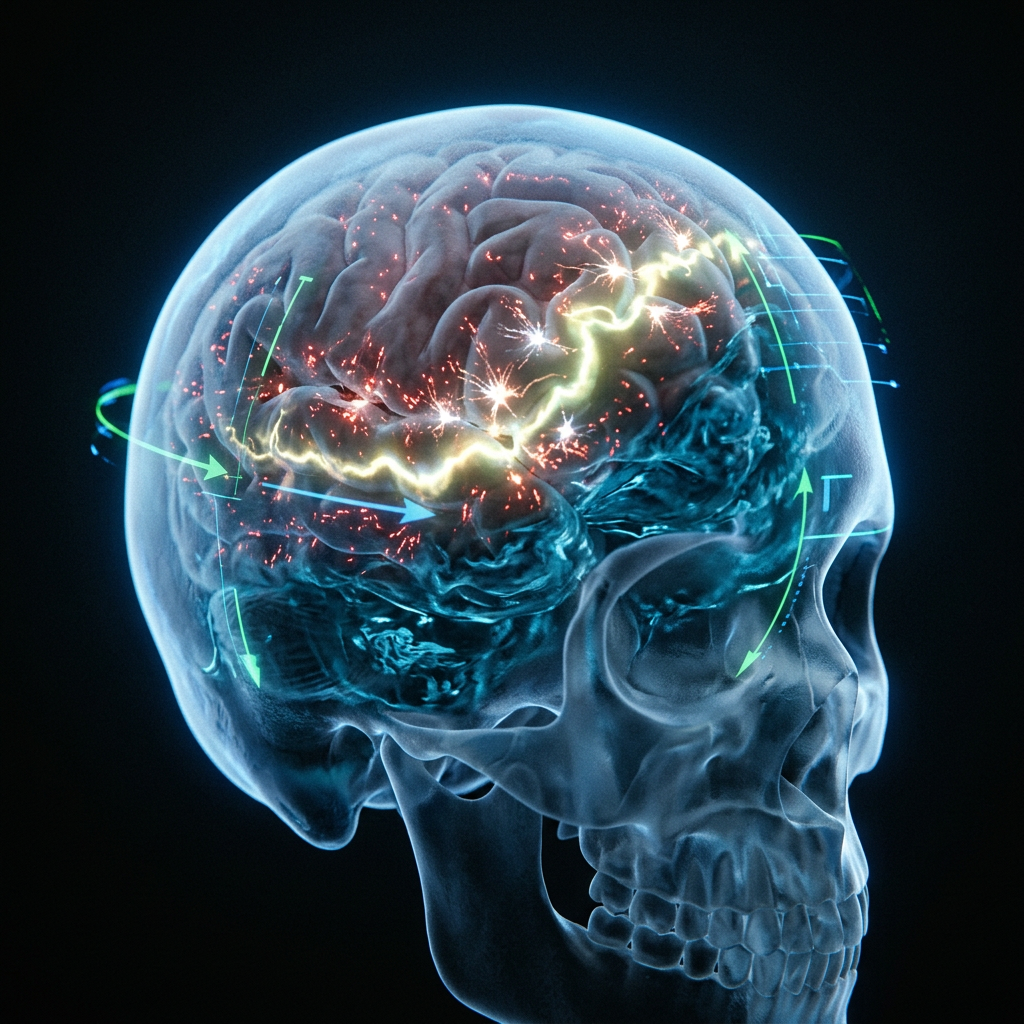
Also known as: mTBI, Car Accident Concussion, Brain Injury from Whiplash, Post-Traumatic Concussion Here is the single most important thing to know about concussion after a car accident: you do NOT need to hit your head to sustain a concussion. The rotational and coup-contrecoup forces of a whiplash-type MVA are sufficient on their own to produce neurometabolic disruption. Many post-MVA concussions are missed because patients assume "no head impact, no concussion" — but the brain moves inside the skull whether or not the skull was struck. The brain does not have pain receptors, so a concussion rarely announces itself with obvious brain-type symptoms.
Instead, you notice the downstream effects. Concussion symptoms cluster in four domains. Somatic: headache, nausea, dizziness, light sensitivity (photophobia), noise sensitivity (phonophobia), and balance trouble. Cognitive: brain fog, slowed thinking, trouble concentrating, memory lapses.
Emotional: irritability, anxiety, depression, emotional lability. Sleep: insomnia, hypersomnia, or fragmented sleep. Symptoms may begin immediately or emerge over 24-72 hours. Many patients describe feeling "not quite right" — subtly different in their thinking, mood, or tolerance for stimulation since the crash.
Modern concussion care is active, not rest-only. After a brief 24-48 hour relative rest period, we guide you through graded return-to-activity. Evidence — particularly the landmark Schneider 2014 BJSM study — supports cervicovestibular therapy for persistent post-concussive symptoms. We guide sub-symptom-threshold aerobic exercise using the Buffalo Concussion Treadmill Test protocol, target cervicogenic headache and vestibular/oculomotor dysfunction using VOMS-guided protocols, and document symptom burden with standardized tools (SCAT, PCSS) at every visit.
We coordinate with neurology, neuro-optometry, and primary care. About 80-90% of adults recover in 7-14 days with appropriate management. We may recommend: Activator, cervicovestibular therapy, VOMS-guided protocol, Buffalo Concussion Treadmill Test protocol, vestibular rehabilitation, low-level laser, corrective exercise Seek immediate care if: You experience worsening headache, repeated vomiting, seizure, one pupil larger than the other, slurred speech, extreme drowsiness, confusion, or weakness on one side — these may indicate intracranial bleeding requiring emergency imaging.
How We Can Help
At Gentle Care Chiropractic, we take a multi-disciplinary approach — addressing the root cause of your condition, not just the symptoms.
Chiropractic Adjustments
Precise spinal and joint corrections to restore alignment, relieve nerve pressure, and reduce pain — manual or instrument-assisted based on your needs.
Massage Therapy
Therapeutic massage releases muscle tension, improves circulation to injured tissue, and works synergistically with adjustments for faster recovery.
Physical Rehabilitation
Customized exercise programs strengthen supporting muscles, restore range of motion, and help prevent future flare-ups.
Laser Therapy
Cold laser therapy uses targeted light wavelengths to stimulate cellular healing, reduce inflammation, and relieve deep tissue pain without heat or discomfort.
Electrical Stimulation
E-stim therapy reduces pain and muscle spasm, improves circulation, and supports the healing process — especially effective for acute injuries.
Personalized Care Plan
Every patient is different. We combine these therapies in a plan tailored to your diagnosis, goals, and lifestyle for the best possible outcome.
Ready to Find Relief?
You don't have to live with Concussion / Mild Traumatic Brain Injury. Our team at Gentle Care Chiropractic is here to help you recover and get back to doing what you love.