

Degenerative Disc Disease
Expert care for Degenerative Disc Disease at Gentle Care Chiropractic in West Linn, Oregon.
Understanding Degenerative Disc Disease
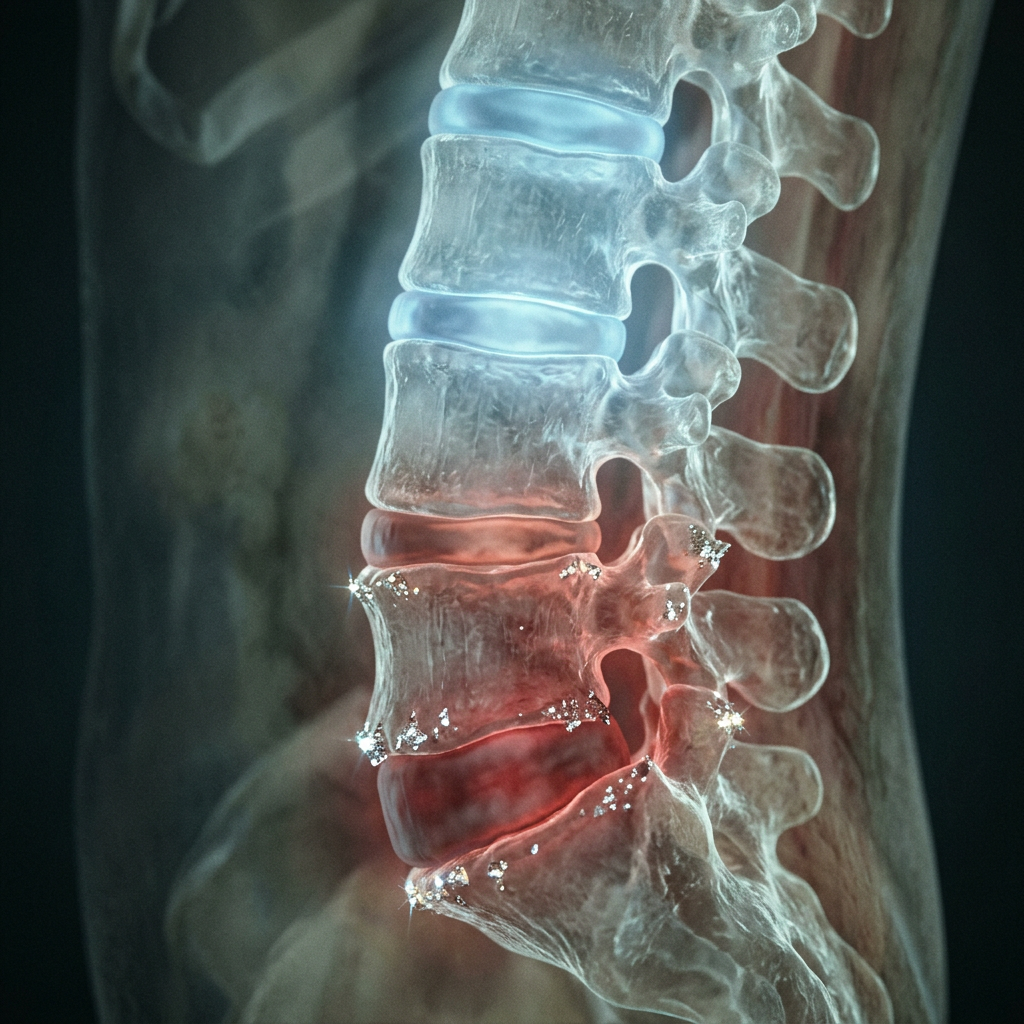
Also known as: DDD, Disc Degeneration, Age-Related Disc Wear Despite the name, degenerative disc disease is not actually a disease — it's a normal part of aging that becomes clinically relevant when combined with poor biomechanics, prior injury, or deconditioning. Every disc in your spine is made up of a tough outer ring and a gel-like center, and over time, that center gradually loses water content and height. By middle age, imaging studies show some degree of disc change in the majority of people — most of whom have no symptoms at all. What tips the balance from "normal aging finding" to "source of pain" is usually a combination of added mechanical load, muscle weakness, and joint stiffness developing around the degenerated segment.
You may describe a deep, dull ache in the low back or neck that fluctuates over months or years. Stiffness is worst after sitting, standing, or sleeping in one position too long, and eases with gentle movement. Some days feel near-normal; others bring sharp flares that last for days. When a degenerated segment narrows the foraminal space (the tunnel where nerve roots exit the spine), radicular symptoms — pain down an arm or leg — can develop.
Age is the biggest factor, and genetics plays a meaningful role (though not always a destiny-defining one). Smoking, obesity, repetitive heavy lifting, whole-body vibration, and previous injury all accelerate the process. Sedentary lifestyle stiffens the surrounding structures; poor nutrition and chronic dehydration slow tissue repair. Care focuses on restoring motion, reducing inflammation, and building the supportive strength that partially compensates for disc height loss.
Flexion-distraction and gentle mobilization improve segmental movement without provoking irritated discs. Spinal decompression therapy can rehydrate discs and relieve pressure — there's reasonable evidence for this in disc-related symptoms. Core stabilization with McGill's "Big 3," hip mobility work, and graded aerobic exercise support long-term disc health. PEMF and Class IV laser assist cellular healing.
Ergonomic coaching, anti-inflammatory nutrition guidance, and posture correction round out the plan. Most patients enjoy durable relief with periodic maintenance visits and a consistent home program. DDD doesn't have to mean progressive disability — in my clinical experience, the patients who stay active and engaged in their care do far better than those who wait for flares and then retreat. We may recommend: flexion-distraction/Cox, spinal decompression, diversified adjustments, corrective exercise, PEMF, Class IV laser, nutrition counseling Seek immediate care if: You experience progressive neurological deficits, bowel or bladder changes, unexplained weight loss, or fever — these warrant prompt evaluation to exclude other causes of spinal pain.
How We Can Help
At Gentle Care Chiropractic, we take a multi-disciplinary approach — addressing the root cause of your condition, not just the symptoms.
Chiropractic Adjustments
Precise spinal and joint corrections to restore alignment, relieve nerve pressure, and reduce pain — manual or instrument-assisted based on your needs.
Massage Therapy
Therapeutic massage releases muscle tension, improves circulation to injured tissue, and works synergistically with adjustments for faster recovery.
Physical Rehabilitation
Customized exercise programs strengthen supporting muscles, restore range of motion, and help prevent future flare-ups.
Laser Therapy
Cold laser therapy uses targeted light wavelengths to stimulate cellular healing, reduce inflammation, and relieve deep tissue pain without heat or discomfort.
Electrical Stimulation
E-stim therapy reduces pain and muscle spasm, improves circulation, and supports the healing process — especially effective for acute injuries.
Personalized Care Plan
Every patient is different. We combine these therapies in a plan tailored to your diagnosis, goals, and lifestyle for the best possible outcome.
Ready to Find Relief?
You don't have to live with Degenerative Disc Disease. Our team at Gentle Care Chiropractic is here to help you recover and get back to doing what you love.