

Delayed-Onset Pain Syndromes
Expert care for Delayed-Onset Pain Syndromes at Gentle Care Chiropractic in West Linn, Oregon.
Understanding Delayed-Onset Pain Syndromes
Also known as: Delayed Whiplash Pain, Delayed-Onset Pain After Car Accident, Latent MVA Pain, "I Felt Fine at the Scene" Feeling "fine" immediately after a motor vehicle accident is the rule, not the exception. Understanding the physiology of delayed onset matters both for your health (so you seek timely care) and for your case, so that delayed symptom appearance is understood as biology, not inconsistency. At the scene, adrenaline, cortisol, and endogenous opioids (the body's own pain-suppressing chemicals) actively mask pain. This is well-documented physiology, not vague speculation.
Over 24-72 hours, the inflammatory cascade peaks, micro-hemorrhages develop, and damaged tissues swell. Over one to two weeks, chemical inflammation settles but mechanical dysfunction and altered movement patterns become symptomatic. Over weeks to months, central sensitization, compensatory patterns, and secondary dysfunctions (TMJ, thoracic outlet syndrome, cervicogenic dizziness, mood changes) can emerge. This biology applies whether you walked away thinking you were lucky or arrived in an ambulance.
If you were in a crash recently and feel "fine," I strongly recommend a baseline evaluation, not because I expect to find something alarming, but because an early documented examination establishes your baseline status and provides a clinical timeline. If symptoms emerge later, you already have documentation. If you're already experiencing delayed symptoms, we match treatment to the specific tissues involved and coordinate with your PCP, attorney, and relevant specialists. Early documentation protects your health and your case.
We may recommend: diversified adjustments, Activator, flexion-distraction/Cox, myofascial release, Graston/IASTM, Class IV laser, corrective exercise Seek immediate care if: You develop severe or worsening headache, new weakness or numbness, bladder or bowel changes, abdominal pain, chest pain or shortness of breath, confusion, or vomiting, late-appearing symptoms can sometimes reflect serious pathology and require emergency evaluation.
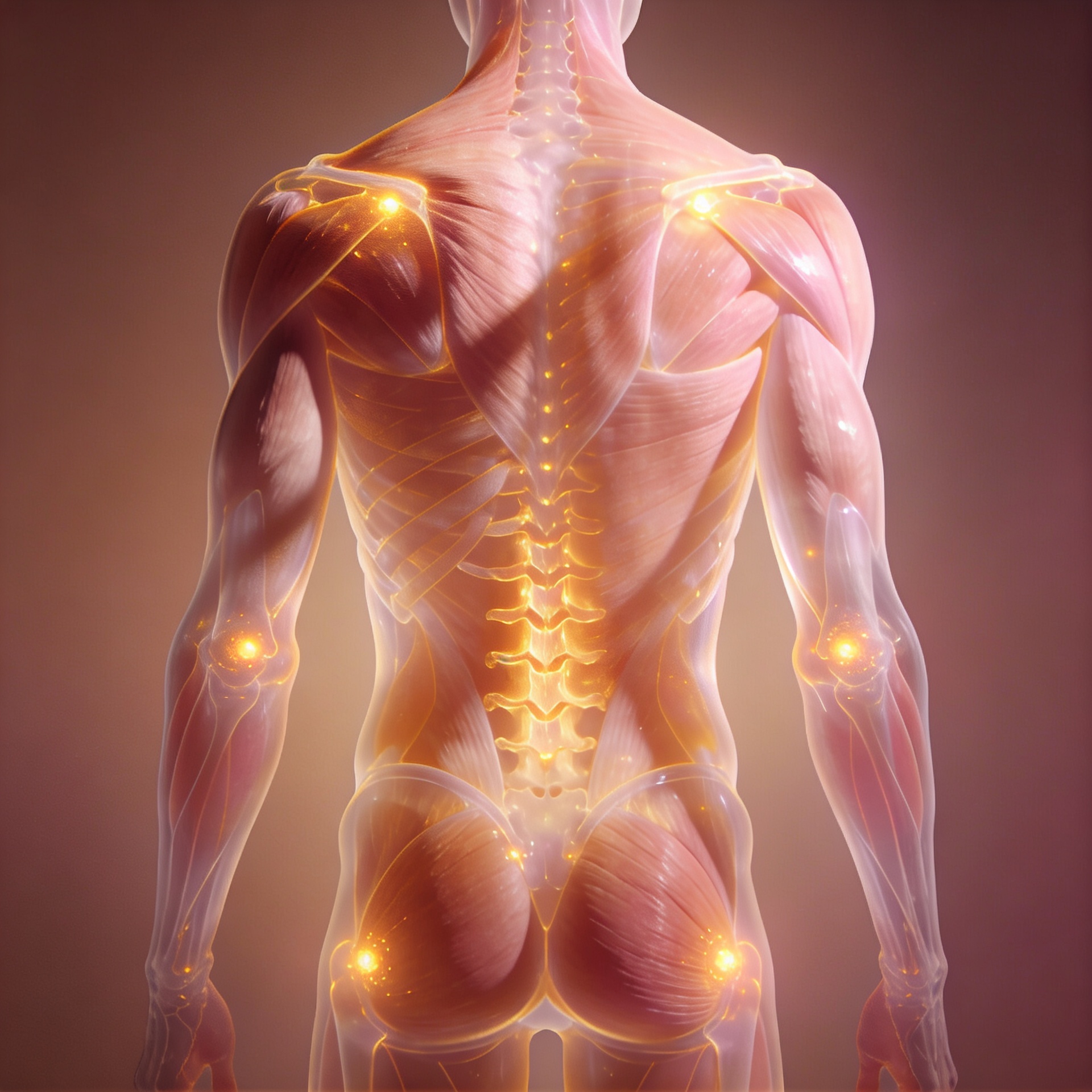
How We Can Help
At Gentle Care Chiropractic, we take a multi-disciplinary approach, addressing the root cause of your condition, not just the symptoms.
Chiropractic Adjustments
Precise spinal and joint corrections to restore alignment, relieve nerve pressure, and reduce pain. Manual or instrument-assisted based on your needs.
Massage Therapy
Therapeutic massage releases muscle tension, improves circulation to injured tissue, and works synergistically with adjustments for faster recovery.
Physical Rehabilitation
Customized exercise programs strengthen supporting muscles, restore range of motion, and help prevent future flare-ups.
Laser Therapy
Cold laser therapy uses targeted light wavelengths to stimulate cellular healing, reduce inflammation, and relieve deep tissue pain without heat or discomfort.
Electrical Stimulation
E-stim therapy reduces pain and muscle spasm, improves circulation, and supports the healing process. Especially effective for acute injuries.
Personalized Care Plan
Every patient is different. We combine these therapies in a plan tailored to your diagnosis, goals, and lifestyle for the best possible outcome.
Frequently Asked Questions
Common questions about Delayed-Onset Pain Syndromes, answered by our team.
I felt fine after the crash — does that mean I wasn't really injured?
No. Feeling fine immediately after an MVA is actually the norm, not the exception. At the moment of impact, adrenaline, cortisol, and endogenous opioids — the body's own pain-suppressing chemicals — actively mask pain signals. This is well-established physiology. Inflammation peaks over 24-72 hours, and some injuries only become symptomatic as compensation patterns or secondary dysfunction emerge over days to weeks. "I felt fine at the scene" is not evidence that nothing happened.
When should I expect delayed symptoms to appear after a crash?
The typical windows differ by tissue type. Muscle soreness peaks at 24-72 hours, similar to intense exercise. Ligamentous inflammation and neck stiffness often crescendo around day two to four. Nerve-related symptoms (arm tingling, radiating leg pain) and cognitive fog can emerge at three to fourteen days. Secondary conditions — cervicogenic dizziness, TMD, thoracic outlet syndrome, mood changes — often surface weeks to months later as the initial injuries fail to resolve and compensation patterns create new problems.
Does delayed symptom onset hurt my legal case?
Not when it's documented correctly. Delayed-onset injury is scientifically well-recognized and commonly occurs in MVAs — courts and insurance adjusters are increasingly aware of the biology. What matters most is that you establish a clinical record: ideally a baseline examination shortly after the crash, with symptom onset documented as it occurs. Having clear documentation that a provider evaluated you before symptoms peaked — or that symptoms emerged at a predictable time after the crash — is far better than showing up weeks later with no prior record.
Some of my pain seems to be in a completely different part of my body from the crash — is that related?
Often yes. Compensatory movement patterns from one injured area load adjacent structures differently. A driver whose left shoulder is protected after a crash will alter their steering, sitting posture, and walking mechanics — all of which transfer stress to the neck, thoracic spine, contralateral hip, and lumbar spine. Secondary conditions can emerge far from the primary injury site and still be causally connected to the accident through this biomechanical cascade.
Is it worth getting checked even if I feel okay right now?
A baseline evaluation shortly after a crash serves two purposes: it establishes your status before symptoms peak (which is clinically and legally valuable), and it catches early findings — restricted cervical rotation, altered muscle tone, subtle neurological signs — that are easier to treat before they become entrenched. If we find nothing clinically significant, that's good news. If we find early findings that we can treat promptly, we've reduced your risk of a longer recovery.
Ready to Find Relief?
You don't have to live with Delayed-Onset Pain Syndromes. Our team at Gentle Care Chiropractic is here to help you recover and get back to doing what you love.