

Femoroacetabular Impingement (FAI) / Hip Impingement
Expert care for Femoroacetabular Impingement (FAI) / Hip Impingement at Gentle Care Chiropractic in West Linn, Oregon.
Understanding Femoroacetabular Impingement (FAI) / Hip Impingement
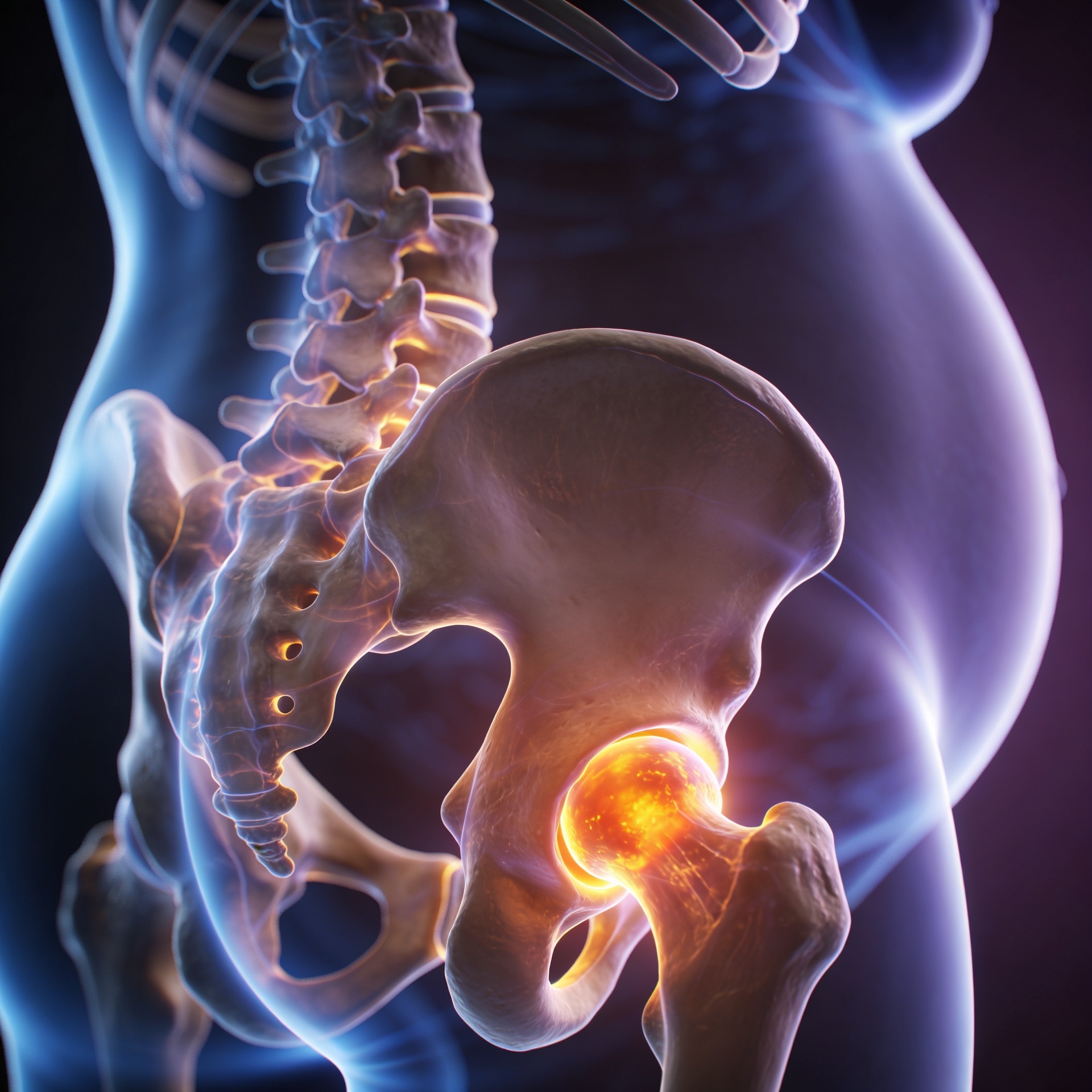
Also known as: FAI, Hip Impingement Syndrome, Cam Impingement, Pincer Impingement Femoroacetabular impingement is a mechanical mismatch between the ball (femoral head) and socket (acetabulum) of the hip. Extra bone on the femoral neck (cam morphology), on the socket rim (pincer), or both causes these surfaces to pinch during hip flexion and rotation. Not everyone with FAI-shaped anatomy has symptoms, it's the combination of anatomy and activity demands that drives pain. Athletes who repeatedly load the hip into deep flexion and rotation (hockey, soccer, dance, martial arts, weightlifting) are most affected.
Deep anterior groin pain, often traced by the patient in a "C" shape around the hip with thumb and fingers (the classic "C-sign") is the hallmark. Pain flares with prolonged sitting, getting out of a low chair, squatting, and sport-specific hip rotation. Clicking, catching, and restricted motion are common. Our goals are improved joint mechanics, reduced provocative loading, and supportive strength.
Hip joint mobilization and capsular distraction techniques restore accessory glide. Tight hip flexors and posterior hip muscles are released. Core stability, gluteal strengthening, and motor control drills teach the hip to move without impinging. We help modify provocative positions while maintaining training.
When symptoms persist or imaging shows significant labral damage, we coordinate surgical referral. We may recommend: mobilization, extremity adjustments, ART, trigger point therapy, corrective exercise, DNS, dry needling Seek immediate care if: The hip locks, gives way repeatedly causing falls, or you experience sudden inability to bear weight after trauma.
How We Can Help
At Gentle Care Chiropractic, we take a multi-disciplinary approach, addressing the root cause of your condition, not just the symptoms.
Chiropractic Adjustments
Precise spinal and joint corrections to restore alignment, relieve nerve pressure, and reduce pain. Manual or instrument-assisted based on your needs.
Massage Therapy
Therapeutic massage releases muscle tension, improves circulation to injured tissue, and works synergistically with adjustments for faster recovery.
Physical Rehabilitation
Customized exercise programs strengthen supporting muscles, restore range of motion, and help prevent future flare-ups.
Laser Therapy
Cold laser therapy uses targeted light wavelengths to stimulate cellular healing, reduce inflammation, and relieve deep tissue pain without heat or discomfort.
Electrical Stimulation
E-stim therapy reduces pain and muscle spasm, improves circulation, and supports the healing process. Especially effective for acute injuries.
Personalized Care Plan
Every patient is different. We combine these therapies in a plan tailored to your diagnosis, goals, and lifestyle for the best possible outcome.
Frequently Asked Questions
Common questions about Femoroacetabular Impingement (FAI) / Hip Impingement, answered by our team.
I was told I have FAI on imaging but I had no pain until recently — what changed?
FAI-shaped anatomy (cam or pincer morphology) is actually quite common in the general population and doesn't always cause symptoms. What typically tips someone from asymptomatic anatomy into painful impingement is a change in activity demands — starting a new sport, increasing training volume, or a job change requiring more sitting — combined with hip stiffness and weakness. The anatomy hasn't changed; the loading has.
Can I manage this without surgery?
Many patients do well with conservative care, especially when symptoms are mild to moderate and there's no significant labral tear. The FASHIoN trial found that personalised physical therapy produced meaningful improvement at 12 months, though surgery showed a modest advantage in some outcomes. The reassuring takeaway is that trying conservative care first doesn't close the door to surgery later — it's a reasonable and evidence-supported first step.
What movements trigger FAI pain and which ones are safer to keep doing?
Deep hip flexion combined with internal rotation is the classic provocateur — think squatting below parallel, sitting cross-legged, or hip-dominant pivoting in sport. Lower-impact activities that keep the hip out of end-range flexion and rotation — walking, swimming, cycling with the seat height adjusted — are generally well tolerated. The goal isn't to avoid all hip movement but to modify provocative positions while building the strength and control to move through them more comfortably over time.
Does FAI lead to hip arthritis if I don't get surgery?
There is a biological relationship between FAI morphology and long-term cartilage wear, but the connection is not deterministic. Many people with cam or pincer anatomy never develop arthritis; others do. The evidence doesn't clearly show that arthroscopic surgery significantly delays arthritis progression compared to conservative care, so the decision on surgery should center on pain and function, not primarily on arthritis prevention.
What does the "C-sign" mean and why do doctors ask about it?
The C-sign refers to the way many patients instinctively place their hand around their hip to show where pain is — thumb behind the hip, fingers curling into the groin — forming a C shape. It's a useful clinical clue because it maps to the deep anterior hip pain pattern characteristic of FAI and labral pathology. It helps distinguish hip joint pain from the more superficial lateral hip pain of gluteal tendinopathy or trochanteric bursitis.
Ready to Find Relief?
You don't have to live with Femoroacetabular Impingement (FAI) / Hip Impingement. Our team at Gentle Care Chiropractic is here to help you recover and get back to doing what you love.