

General Overuse / Repetitive Strain Injuries
Expert care for General Overuse / Repetitive Strain Injuries at Gentle Care Chiropractic in West Linn, Oregon.
Understanding General Overuse / Repetitive Strain Injuries
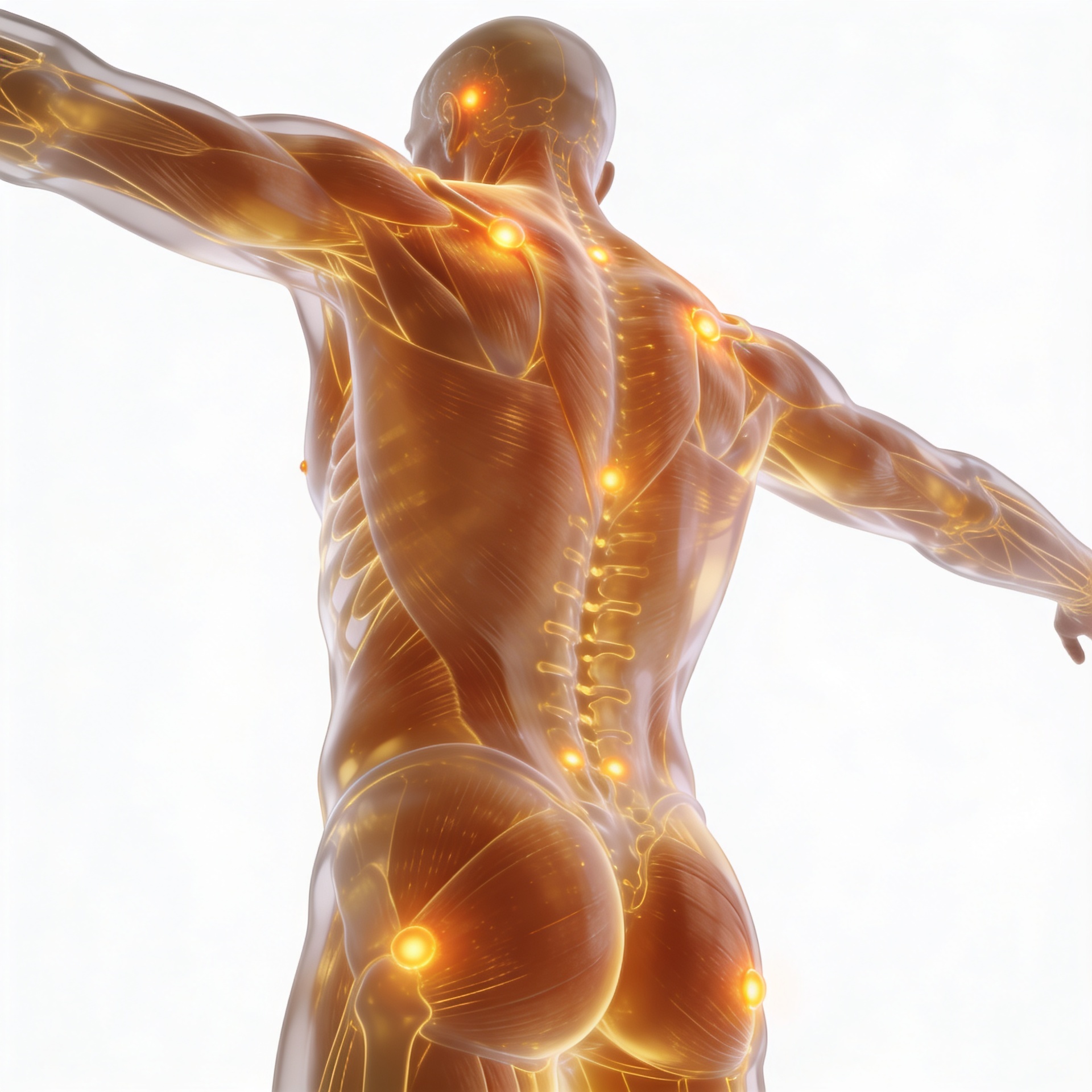
Also known as: RSI, Cumulative Trauma Disorder, Overuse Syndrome Repetitive strain injuries develop when tissues are loaded more often, more intensely, or with less recovery than they can handle. Unlike acute injuries with a clear moment of trauma, these conditions creep in, a little ache that becomes a nagging pain that becomes a real problem. The common thread is a mismatch between load and recovery, and correcting that mismatch is the foundation of treatment. Tendons, bursae, nerves, and joints can all be affected.
A gradual onset of pain appearing initially only during or after specific activities, then appearing earlier in the session, and eventually at rest, is the classic progression. Training errors (too much, too fast), poor biomechanics or technique, equipment issues, and inadequate recovery are the most common drivers. Desk workers, musicians, tradespeople, runners, and throwers are particularly vulnerable. Soft-tissue work (ART, Graston/IASTM) and joint adjustments restore tissue and motion quality.
Corrective exercise addresses specific weaknesses and movement patterns. Smart load management (not total rest, but structured reduction and gradual rebuilding) is the core principle. Shockwave therapy adds a proven boost for stubborn tendinopathies. Most overuse conditions respond well within four to twelve weeks when the underlying driver is identified and addressed.
We may recommend: ART, Graston/IASTM, diversified adjustments, extremity adjustments, shockwave therapy, eccentric loading protocol, kinesio taping, ergonomic coaching Seek immediate care if: You develop progressive numbness, weakness, or loss of function, or pain that persists at rest and at night despite appropriate care.
How We Can Help
At Gentle Care Chiropractic, we take a multi-disciplinary approach, addressing the root cause of your condition, not just the symptoms.
Chiropractic Adjustments
Precise spinal and joint corrections to restore alignment, relieve nerve pressure, and reduce pain. Manual or instrument-assisted based on your needs.
Massage Therapy
Therapeutic massage releases muscle tension, improves circulation to injured tissue, and works synergistically with adjustments for faster recovery.
Physical Rehabilitation
Customized exercise programs strengthen supporting muscles, restore range of motion, and help prevent future flare-ups.
Laser Therapy
Cold laser therapy uses targeted light wavelengths to stimulate cellular healing, reduce inflammation, and relieve deep tissue pain without heat or discomfort.
Electrical Stimulation
E-stim therapy reduces pain and muscle spasm, improves circulation, and supports the healing process. Especially effective for acute injuries.
Personalized Care Plan
Every patient is different. We combine these therapies in a plan tailored to your diagnosis, goals, and lifestyle for the best possible outcome.
Frequently Asked Questions
Common questions about General Overuse / Repetitive Strain Injuries, answered by our team.
Should I rest completely or keep moving when I have an overuse injury?
Keep moving — but smarter, not harder. Complete rest for more than a few days typically leads to tissue weakening, loss of range of motion, and a more difficult return. The goal is structured relative rest: reducing the specific aggravating activity while maintaining movement through pain-free ranges and non-provocative alternatives. Tendons, in particular, need some load to heal — they respond to the right kind of stress, not its absence.
How do I know if my pain is at an acceptable level to train through, or a signal to back off?
A commonly used clinical rule: rate your pain during the activity on a 0–10 scale. Pain of 3 or below that doesn't worsen as the session goes on and settles to baseline within 24 hours is generally acceptable to train through. Pain above 4 during activity, pain that worsens as you continue, or pain that persists into the next day signals that load exceeds your tissue's current capacity and needs to be reduced. This traffic-light principle keeps you progressing without causing setbacks.
Why do overuse injuries seem to come back even after they've "healed"?
Because resolution of pain is not the same as resolution of the problem. The training error, movement pattern, or tissue weakness that caused the overload in the first place is still there when pain goes away. People resume their previous volume and intensity and hit the same threshold all over again. True recovery requires identifying and correcting the driver — whether that's a sudden mileage increase, poor technique, inadequate recovery between sessions, or a specific muscle weakness — not just resting until symptoms abate.
Can active treatments like adjustments and soft-tissue work actually speed healing, or is it just time?
Both are happening simultaneously. Joint mobilization and soft-tissue work (ART, Graston/IASTM) restore tissue quality and joint motion that passive rest doesn't address, remove adhesions that restrict normal glide, and often allow a faster, more comfortable return to loading. But the critical healing happens through structured progressive loading — the manual work creates the conditions for it to work more effectively. Passive treatments alone without a loading program tend to produce temporary relief rather than durable resolution.
My overuse injury has been going on for months. Is it too late for conservative care to work?
No. Chronic overuse conditions — even those that have been present for 6 to 12 months — respond to structured loading programs, sometimes better than acute cases because the tissue irritability has settled. The main caveat is that chronic presentations typically take longer: 3 to 6 months of consistent rehabilitation rather than 4 to 8 weeks. Shockwave therapy, which stimulates a healing response in stalled degenerative tissue, is particularly useful for chronic stubborn tendinopathies and has good evidence even in long-standing cases.
Ready to Find Relief?
You don't have to live with General Overuse / Repetitive Strain Injuries. Our team at Gentle Care Chiropractic is here to help you recover and get back to doing what you love.