

IT Band Syndrome
Expert care for IT Band Syndrome at Gentle Care Chiropractic in West Linn, Oregon.
Understanding IT Band Syndrome
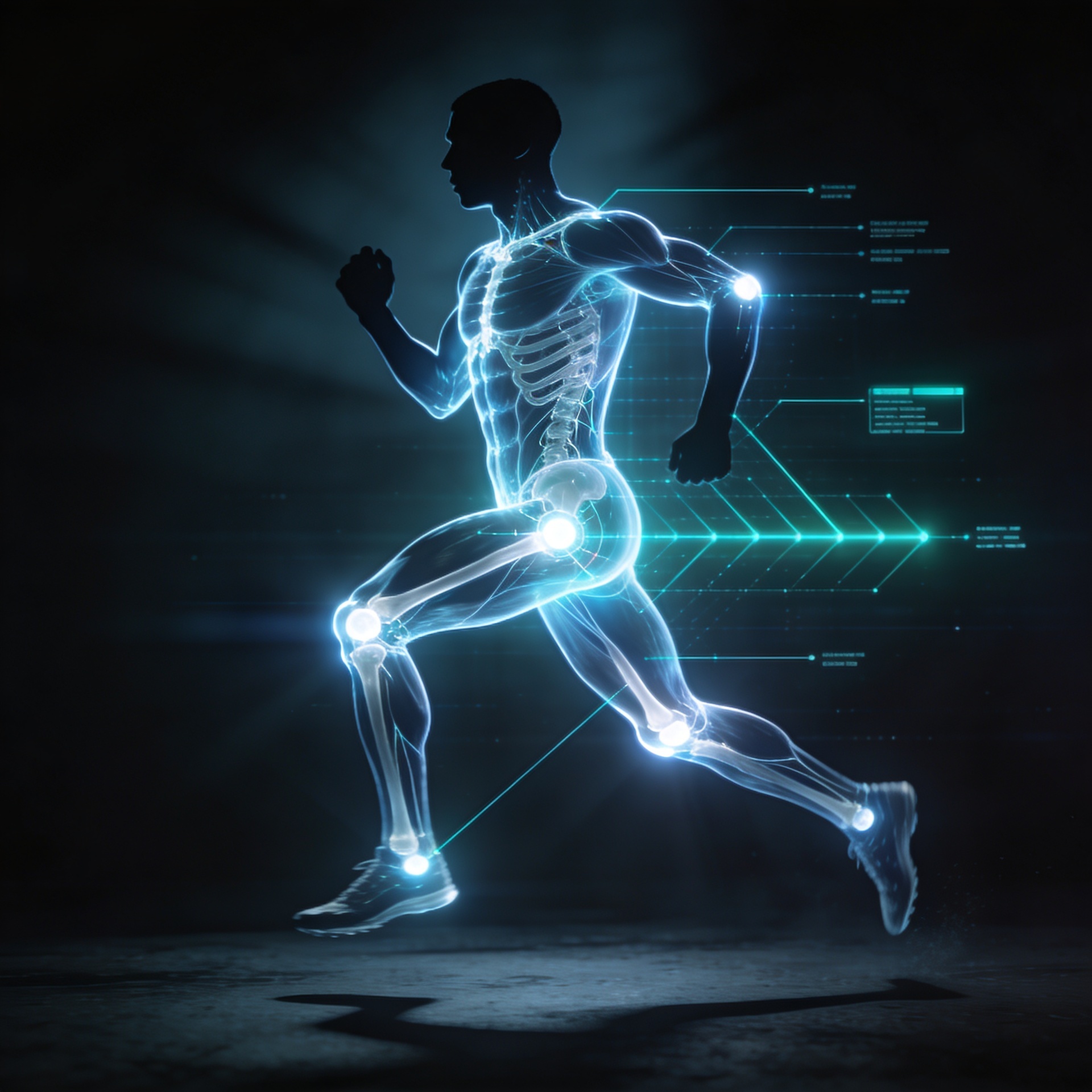
Also known as: ITBS, Iliotibial Band Friction Syndrome The iliotibial band (ITB) is a thick strip of connective tissue running from the hip down the outside of the thigh to just below the knee. Runners know it well. With repetitive bending and straightening (particularly in running) the area where the ITB crosses the outer knee becomes irritated, producing a characteristic lateral knee pain. Current research points less to "friction" and more to compression and irritation of the fat pad beneath the band, which is densely innervated and pain-sensitive.
Sharp, burning pain on the outer knee appearing predictably after a certain distance or time into a run (often around the 30-degree knee flexion point at foot strike) is the signature. The pain typically eases quickly with rest but returns at the same point in the next run. Downhill running and longer mileage reliably flare symptoms. Runners who suddenly increase mileage, run on cambered roads, or do lots of downhill training are classic sufferers.
We adjust the hip, SI joint, and lumbar spine, and use Graston/IASTM along the ITB, TFL, and glute complex to reduce tension and improve tissue glide. Targeted hip abductor and extensor strengthening (especially single-leg work) is the foundation of lasting recovery. We assess running gait, cadence, and footwear, teaching small adjustments that reduce lateral knee load. Mileage management with a rules-based return prevents the cycle from repeating.
Most runners return to full training within six to ten weeks. We may recommend: diversified adjustments, extremity adjustments, Graston/IASTM, ART, corrective exercise, orthotics, massage therapy Seek immediate care if: You experience sudden severe lateral knee pain after a twisting injury, locking of the knee, or significant swelling.
How We Can Help
At Gentle Care Chiropractic, we take a multi-disciplinary approach, addressing the root cause of your condition, not just the symptoms.
Chiropractic Adjustments
Precise spinal and joint corrections to restore alignment, relieve nerve pressure, and reduce pain. Manual or instrument-assisted based on your needs.
Massage Therapy
Therapeutic massage releases muscle tension, improves circulation to injured tissue, and works synergistically with adjustments for faster recovery.
Physical Rehabilitation
Customized exercise programs strengthen supporting muscles, restore range of motion, and help prevent future flare-ups.
Laser Therapy
Cold laser therapy uses targeted light wavelengths to stimulate cellular healing, reduce inflammation, and relieve deep tissue pain without heat or discomfort.
Electrical Stimulation
E-stim therapy reduces pain and muscle spasm, improves circulation, and supports the healing process. Especially effective for acute injuries.
Personalized Care Plan
Every patient is different. We combine these therapies in a plan tailored to your diagnosis, goals, and lifestyle for the best possible outcome.
Frequently Asked Questions
Common questions about IT Band Syndrome, answered by our team.
Can I actually stretch the IT band, or is that a myth?
It's more myth than fact. The IT band is a dense strip of fascia — not a muscle — and biomechanical testing suggests it can't be meaningfully elongated by stretching. What changes with the hip-crossing "IT band stretch" is tension in the TFL and gluteus maximus, the muscles that feed into the band. Stretching those muscles and, more importantly, strengthening the hip abductors and external rotators addresses the root tension that loads the lateral knee in the first place.
Why does the pain always start at the same point in my run and then stop if I slow down?
ITBS pain is highly predictable because it's triggered by a specific knee angle — roughly 30 degrees of flexion — which is close to the angle at foot strike during running. At that position, the ITB is compressed against the outer knee most forcefully. As fatigue builds during a run, hip abductor control drops, the knee tracks more medially, and the compressive load increases. The relief with rest or slowing down is real, but the underlying mechanics are unchanged — which is why the pain returns at the same mileage marker.
Is foam rolling the IT band helpful or harmful?
Foam rolling on the lateral thigh can temporarily reduce the sensation of tightness, but rolling directly over the painful spot on the outer knee isn't recommended during a flare — it adds compressive load to already irritated tissue. Directing foam rolling to the TFL and gluteal muscles, where tension actually originates, is more productive. Think of it as a supplement to hip strengthening and gait work, not a standalone treatment — the research on foam rolling for ITBS shows short-term comfort but not long-term resolution on its own.
Am I stuck doing only short runs forever, or can I get back to full training?
Most runners return to full mileage within 6 to 10 weeks with structured care, and many go on to train harder than before because they've built hip and glute strength they were missing. The runners who stay stuck are usually those who treat it as a rest-and-wait problem rather than a strength and mechanics problem. A rules-based, symptom-guided return-to-run progression — rather than just resting until it feels better — is what breaks the cycle.
Does running on a treadmill vs. roads make a difference for ITBS?
It can. Cambered roads (crowned roads that slope to the side) force the downhill leg into functional adduction, increasing ITB tension — running on the same side of the road in the same direction repeatedly is a known risk factor. Treadmills eliminate camber but increase repetitiveness. Downhill running significantly increases compressive lateral knee load. Until symptoms are resolved, flatter terrain, switching road sides, and reducing consecutive downhill miles are practical modifications that allow training to continue.
Ready to Find Relief?
You don't have to live with IT Band Syndrome. Our team at Gentle Care Chiropractic is here to help you recover and get back to doing what you love.