

Knee, Hip, Lower Extremity Injuries post-MVA
Expert care for Knee, Hip, Lower Extremity Injuries post-MVA at Gentle Care Chiropractic in West Linn, Oregon.
Understanding Knee, Hip, Lower Extremity Injuries post-MVA
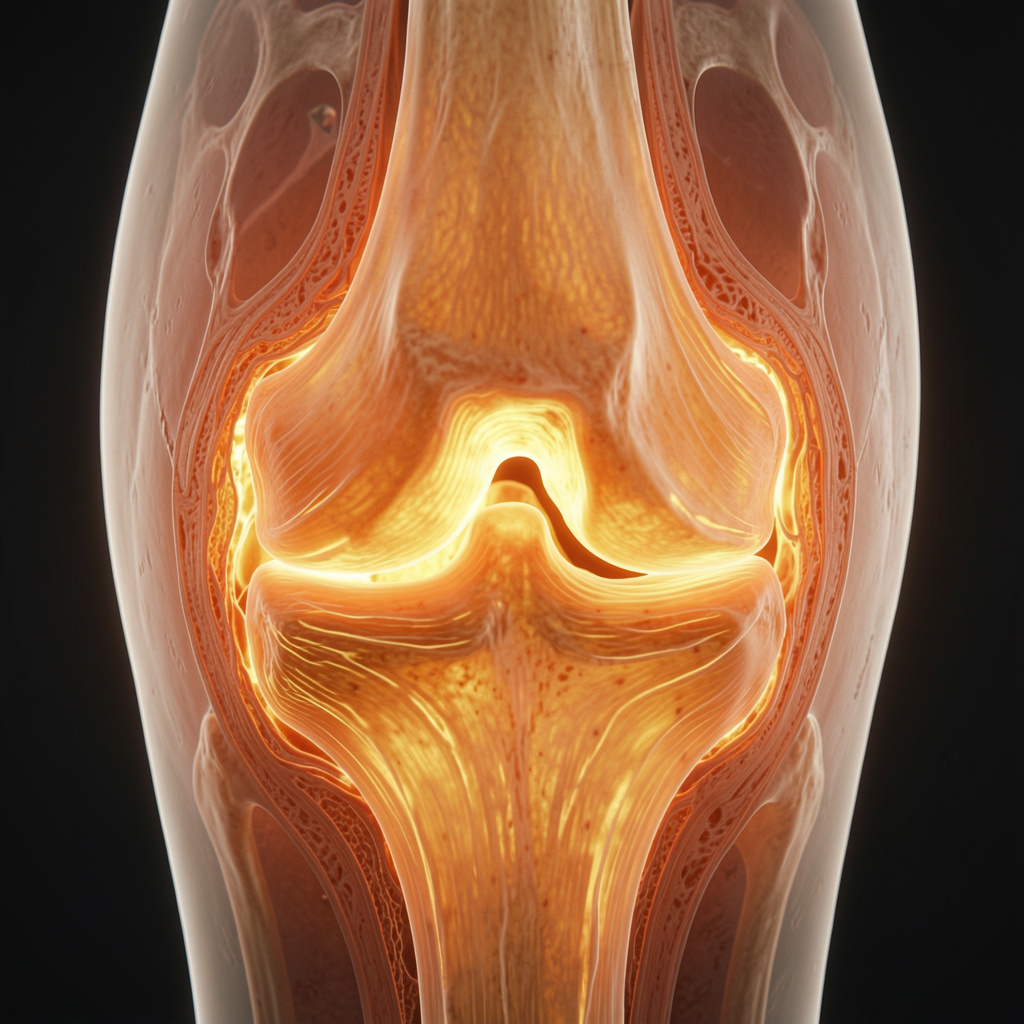
Also known as: Dashboard Knee, PCL Injury from Car Accident, Pedal Ankle Injury, Post-MVA Hip Injury Lower extremity injuries from MVAs usually come from two mechanisms: the dashboard striking the knees and driving the tibia posteriorly (the classic "dashboard injury" stressing the posterior cruciate ligament (PCL) and transmitting force to the hip and SI joint) and braking-pedal injuries that twist and compress the ankle and foot. Many patients underestimate lower extremity injury in the initial days while the neck and back dominate; the knee or ankle then becomes the limiting factor for return to work and driving. Posterior or deep knee pain, a sense of the knee giving way, difficulty on stairs, hip or groin pain with weight-bearing, and ankle pain or stiffness are characteristic. Bruising on the shin just below the kneecap is a hallmark of the dashboard mechanism.
Swelling typically peaks 24-72 hours after the crash. Care starts with careful orthopedic assessment and appropriate imaging referrals. Treatment includes manual therapy to restricted joints, soft-tissue therapy, functional taping or bracing, progressive loading of the quadriceps, hamstrings, glutes, and calves, proprioceptive and balance retraining, and gait correction. Class IV laser, shockwave therapy, and PEMF support tissue healing.
We refer promptly for orthopedic evaluation when exam suggests significant ligamentous, meniscal, or labral injury that may require surgical input. We may recommend: diversified adjustments, Activator, ART, Graston/IASTM, Class IV laser, shockwave therapy, corrective exercise Seek immediate care if: You cannot bear weight at all, have obvious deformity, severe swelling with pale or cold foot, numbness in the foot, or a locked joint: these require urgent orthopedic or ER evaluation.
How We Can Help
At Gentle Care Chiropractic, we take a multi-disciplinary approach, addressing the root cause of your condition, not just the symptoms.
Chiropractic Adjustments
Precise spinal and joint corrections to restore alignment, relieve nerve pressure, and reduce pain. Manual or instrument-assisted based on your needs.
Massage Therapy
Therapeutic massage releases muscle tension, improves circulation to injured tissue, and works synergistically with adjustments for faster recovery.
Physical Rehabilitation
Customized exercise programs strengthen supporting muscles, restore range of motion, and help prevent future flare-ups.
Laser Therapy
Cold laser therapy uses targeted light wavelengths to stimulate cellular healing, reduce inflammation, and relieve deep tissue pain without heat or discomfort.
Electrical Stimulation
E-stim therapy reduces pain and muscle spasm, improves circulation, and supports the healing process. Especially effective for acute injuries.
Personalized Care Plan
Every patient is different. We combine these therapies in a plan tailored to your diagnosis, goals, and lifestyle for the best possible outcome.
Frequently Asked Questions
Common questions about Knee, Hip, Lower Extremity Injuries post-MVA, answered by our team.
My knee hit the dashboard — what did that actually do to it?
The classic dashboard injury drives the tibia (shin bone) posteriorly relative to the femur (thigh bone) when a bent knee strikes the dashboard during a frontal collision. This is the primary mechanism for posterior cruciate ligament (PCL) injury. The same axial force that stresses the PCL also transmits up through the femur into the hip joint and SI joint, which is why hip or pelvic pain can develop alongside knee symptoms even without a second direct impact.
My knee and hip feel okay, but I have foot and ankle pain — could that be from the accident?
Yes. Braking-pedal injuries — where the foot is pressing against the brake pedal at impact — can forcefully compress and twist the ankle and foot, producing ligament sprains, subtalar joint stress, and metatarsal injuries. These often go unnoticed in the first few days when neck and back pain dominate. Swelling that develops 24-72 hours after the crash, or stiffness that limits your normal walking gait, are signs worth evaluating even if the initial ER visit focused on the more dramatic injuries.
How long does a knee or hip injury from an MVA take to recover?
It depends significantly on what structures are injured. Soft-tissue strains typically respond within four to eight weeks of manual therapy, progressive strengthening, and proprioceptive retraining. Ligamentous injuries — PCL, LCL, hip capsule — often take eight to twelve weeks of structured conservative care. Injuries involving the meniscus, hip labrum, or cartilage surfaces may require longer courses, and in some cases, orthopedic evaluation for possible surgical consideration. We track functional progress (walking tolerance, stair climbing, return to work) at every visit.
Do I need an MRI, or can I start treatment first?
That depends on the clinical picture. When you can bear weight, the swelling is manageable, and there's no obvious deformity or neurological change, beginning a trial of conservative care while coordinating imaging is a reasonable approach. When there's significant swelling that develops rapidly, inability to bear weight, a joint that feels unstable or "gives way," or neurological symptoms in the foot, we arrange imaging first before beginning manual therapy. We err on the side of imaging when the picture is unclear.
Can a lower extremity injury affect my spine or change how I walk long-term?
Absolutely. An antalgic gait — the altered walking pattern you adopt to protect a painful knee or hip — loads the lumbar spine, SI joint, and contralateral leg asymmetrically. Over weeks, this compensation can produce secondary low back, sacroiliac, and even contralateral knee pain. This is one of the reasons we assess gait mechanics specifically and treat the whole kinetic chain, not just the site of direct injury.
Ready to Find Relief?
You don't have to live with Knee, Hip, Lower Extremity Injuries post-MVA. Our team at Gentle Care Chiropractic is here to help you recover and get back to doing what you love.