

Knee Osteoarthritis
Expert care for Knee Osteoarthritis at Gentle Care Chiropractic in West Linn, Oregon.
Understanding Knee Osteoarthritis
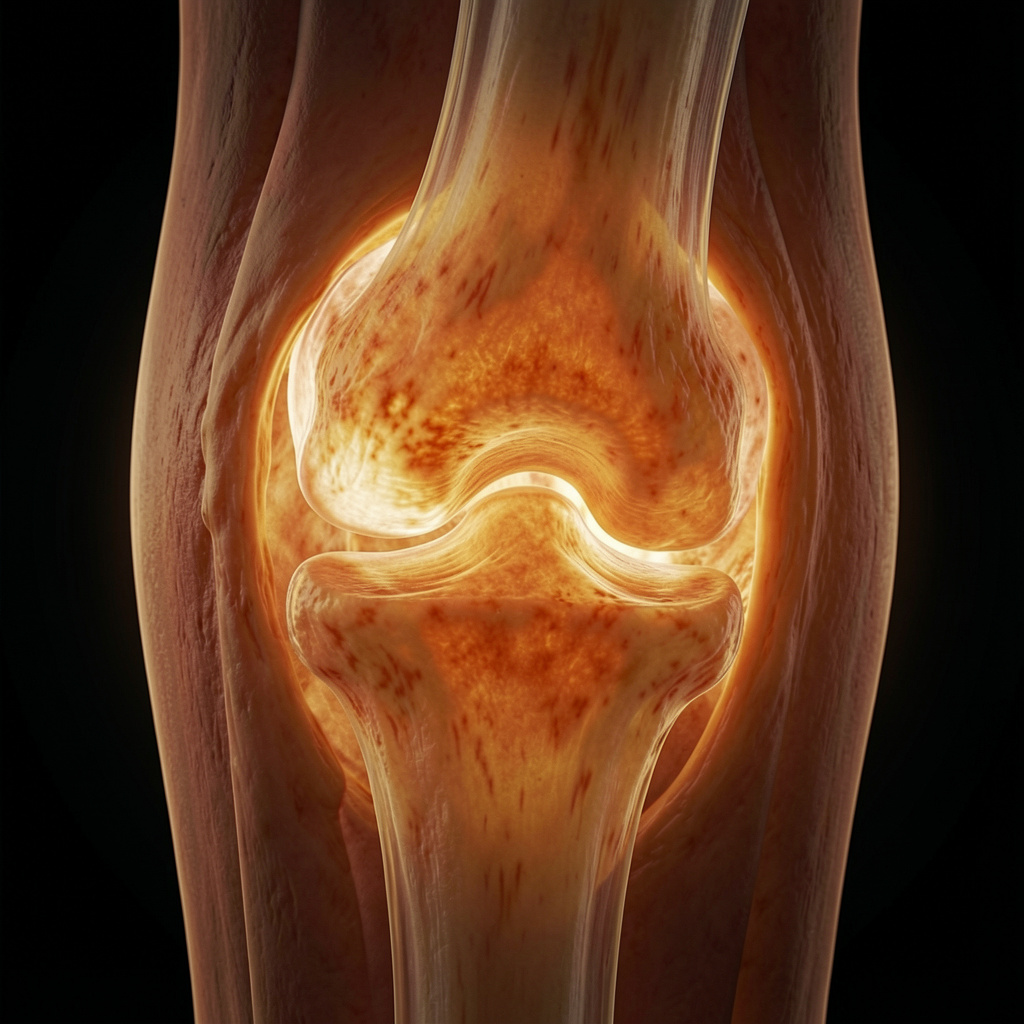
Also known as: Knee OA, Degenerative Joint Disease of the Knee, Wear-and-Tear Knee Arthritis The old framing of knee osteoarthritis as simple "wear and tear" has been replaced by something more useful: OA is an active biological process, and the strongest evidence-based treatments are exercise and weight management — not rest, not simply "waiting it out. " As cartilage thins and the underlying bone remodels, pain and stiffness develop — but the severity of symptoms correlates poorly with the severity of imaging findings, which tells us that the muscles and movement patterns around the joint matter as much as the joint itself. Deep, aching knee pain worsening with prolonged activity and easing with rest, morning stiffness lasting under 30 minutes, and crepitus (grinding) are characteristic. Stairs, squatting, and rising from a low chair provoke symptoms.
Age, obesity, prior knee injury, family history, and quadriceps weakness all contribute. We mobilize the patellofemoral, tibiofemoral, and hip joints to preserve range of motion. A progressive strengthening program for the quadriceps (including the VMO), glutes, and calves directly improves joint loading and pain — this is the strongest evidence-based treatment available. We add PEMF and nutritional and weight management counseling.
We coordinate with your physician regarding injections and coordinate orthopedic referral for joint replacement when appropriate. We may recommend: mobilization, diversified adjustments, extremity adjustments, corrective exercise, PEMF, Class IV laser, orthotics Seek immediate care if: The knee suddenly locks, gives way with falls, becomes hot and swollen with fever, or rapidly deforms.
How We Can Help
At Gentle Care Chiropractic, we take a multi-disciplinary approach — addressing the root cause of your condition, not just the symptoms.
Chiropractic Adjustments
Precise spinal and joint corrections to restore alignment, relieve nerve pressure, and reduce pain — manual or instrument-assisted based on your needs.
Massage Therapy
Therapeutic massage releases muscle tension, improves circulation to injured tissue, and works synergistically with adjustments for faster recovery.
Physical Rehabilitation
Customized exercise programs strengthen supporting muscles, restore range of motion, and help prevent future flare-ups.
Laser Therapy
Cold laser therapy uses targeted light wavelengths to stimulate cellular healing, reduce inflammation, and relieve deep tissue pain without heat or discomfort.
Electrical Stimulation
E-stim therapy reduces pain and muscle spasm, improves circulation, and supports the healing process — especially effective for acute injuries.
Personalized Care Plan
Every patient is different. We combine these therapies in a plan tailored to your diagnosis, goals, and lifestyle for the best possible outcome.
Ready to Find Relief?
You don't have to live with Knee Osteoarthritis. Our team at Gentle Care Chiropractic is here to help you recover and get back to doing what you love.