

Ligament Sprain (General) / Weekend-Warrior Injuries
Expert care for Ligament Sprain (General) / Weekend-Warrior Injuries at Gentle Care Chiropractic in West Linn, Oregon.
Understanding Ligament Sprain (General) / Weekend-Warrior Injuries
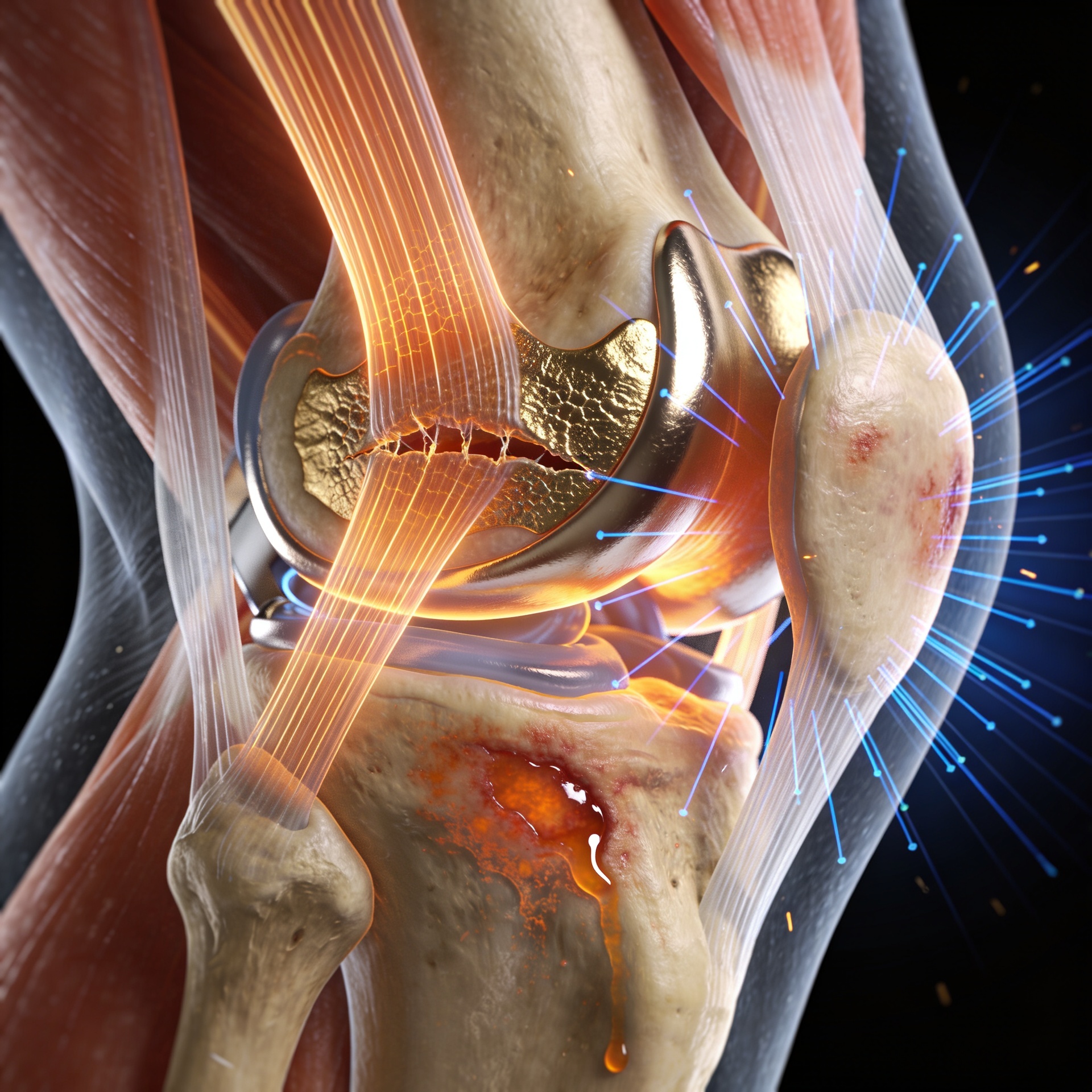
Also known as: Joint Sprain, Weekend Warrior Injury, Acute Ligament Injury "Weekend warrior" injuries follow a recognizable pattern: intermittent bursts of high-intensity activity (pickup basketball, adult soccer, ambitious home projects) on a body that hasn't been consistently conditioned. Ligaments are strong bands connecting bones at joints; a sudden force beyond the normal range stretches (grade I), partially tears (grade II), or fully tears (grade III) them. Most grade I and II sprains heal well with structured care. They also have a high recurrence rate without proper rehabilitation, which is the argument for doing it right the first time.
Immediate pain, swelling over the next few hours, bruising, and a sense that the joint is untrustworthy are consistent features. The severity and specific pattern depend on which joint and which ligament. We follow PEACE & LOVE principles: early protection, controlled loading as healing progresses, and a structured rehabilitation sequence (isometric, then dynamic strengthening, then proprioceptive and sport-specific drills) that restores stability and reduces re-injury risk. Most grade I to II sprains recover in two to eight weeks depending on severity and joint.
We may recommend: mobilization, diversified adjustments, extremity adjustments, Class IV laser, kinesio taping, corrective exercise, PEMF Seek immediate care if: The joint appears deformed, you cannot bear any weight, there is rapid severe swelling, or the joint feels grossly unstable suggesting a complete ligament tear.
How We Can Help
At Gentle Care Chiropractic, we take a multi-disciplinary approach, addressing the root cause of your condition, not just the symptoms.
Chiropractic Adjustments
Precise spinal and joint corrections to restore alignment, relieve nerve pressure, and reduce pain. Manual or instrument-assisted based on your needs.
Massage Therapy
Therapeutic massage releases muscle tension, improves circulation to injured tissue, and works synergistically with adjustments for faster recovery.
Physical Rehabilitation
Customized exercise programs strengthen supporting muscles, restore range of motion, and help prevent future flare-ups.
Laser Therapy
Cold laser therapy uses targeted light wavelengths to stimulate cellular healing, reduce inflammation, and relieve deep tissue pain without heat or discomfort.
Electrical Stimulation
E-stim therapy reduces pain and muscle spasm, improves circulation, and supports the healing process. Especially effective for acute injuries.
Personalized Care Plan
Every patient is different. We combine these therapies in a plan tailored to your diagnosis, goals, and lifestyle for the best possible outcome.
Dealing with this in West Linn, Lake Oswego or Oregon City?
Same-week appointments. PIP and most insurance accepted.
Frequently Asked Questions
Common questions about Ligament Sprain (General) / Weekend-Warrior Injuries, answered by our team.
Why do weekend warriors get injured more than people who train consistently?
Ligaments, tendons, and cartilage adapt to load over time — but adaptation is slow, and it requires consistent stimulus. A body that is sedentary for 5 days and then asked to perform at high intensity on the weekend has joints and connective tissue that have partially deloaded during the week. The mismatch between tissue capacity (which drops) and activity demand (which spikes) is where weekend-warrior injuries live. Even 20 to 30 minutes of moderate activity on weekdays meaningfully reduces this gap.
How long do ligament sprains take to heal, and what determines the timeline?
Grade I sprains typically heal in 2 to 4 weeks with structured care; grade II in 4 to 8 weeks; complete grade III tears can take 3 to 6 months depending on the joint and whether surgery is required. The determinants of timeline are: grade of injury, which joint is affected, how quickly appropriate rehabilitation begins, and whether underlying tissue capacity (strength, proprioception) is addressed — not just pain. Starting rehabilitation promptly and progressing systematically is what separates a 3-week recovery from a 3-month one.
My ankle or knee feels "wobbly" even though the pain is mostly gone. Is that normal?
Yes — and it's important to address. Ligaments contain mechanoreceptors that feed your brain information about joint position. When a ligament is sprained, those receptors are disrupted, leaving a proprioceptive deficit (impaired sense of joint position) that persists well after the structural tissue has healed. That sense of instability or unpredictability on uneven ground is the proprioceptive system not yet at full function. Balance training, peroneal and hip strengthening, and sport-specific drills specifically target this gap and dramatically reduce re-sprain risk.
Should I avoid activity completely while a sprain heals, or keep moving?
Keep moving — but protect the healing tissue from re-injury forces. The PEACE & LOVE framework replaces the old RICE (Rest, Ice, Compression, Elevation) approach because prolonged rest weakens healing tissue and delays recovery. Protection in the first 1 to 3 days is appropriate, followed by progressive loading as pain and swelling allow. Isometric exercises first, then controlled range-of-motion work, then gradual strengthening — the sequence matters. Early movement also promotes better collagen alignment in the healing ligament.
What's the most important thing I can do to prevent this from happening again?
Build a consistent base. Weekend warriors get hurt when their tissue capacity (built by regular training) doesn't match their weekend activity demand. Two or three 20 to 30 minute moderate-intensity sessions midweek — plus targeted single-leg balance and hip stability work — significantly reduce recurrence risk. Sport-specific warmup (dynamic movement, not static stretching before activity) and not skipping the full rehabilitation of the current injury are equally important. The data consistently shows that completing a full rehab program, including proprioceptive training, is the single biggest modifiable predictor of not having a repeat injury.
Ready to Find Relief?
You don't have to live with Ligament Sprain (General) / Weekend-Warrior Injuries. Our team at Gentle Care Chiropractic is here to help you recover and get back to doing what you love.