
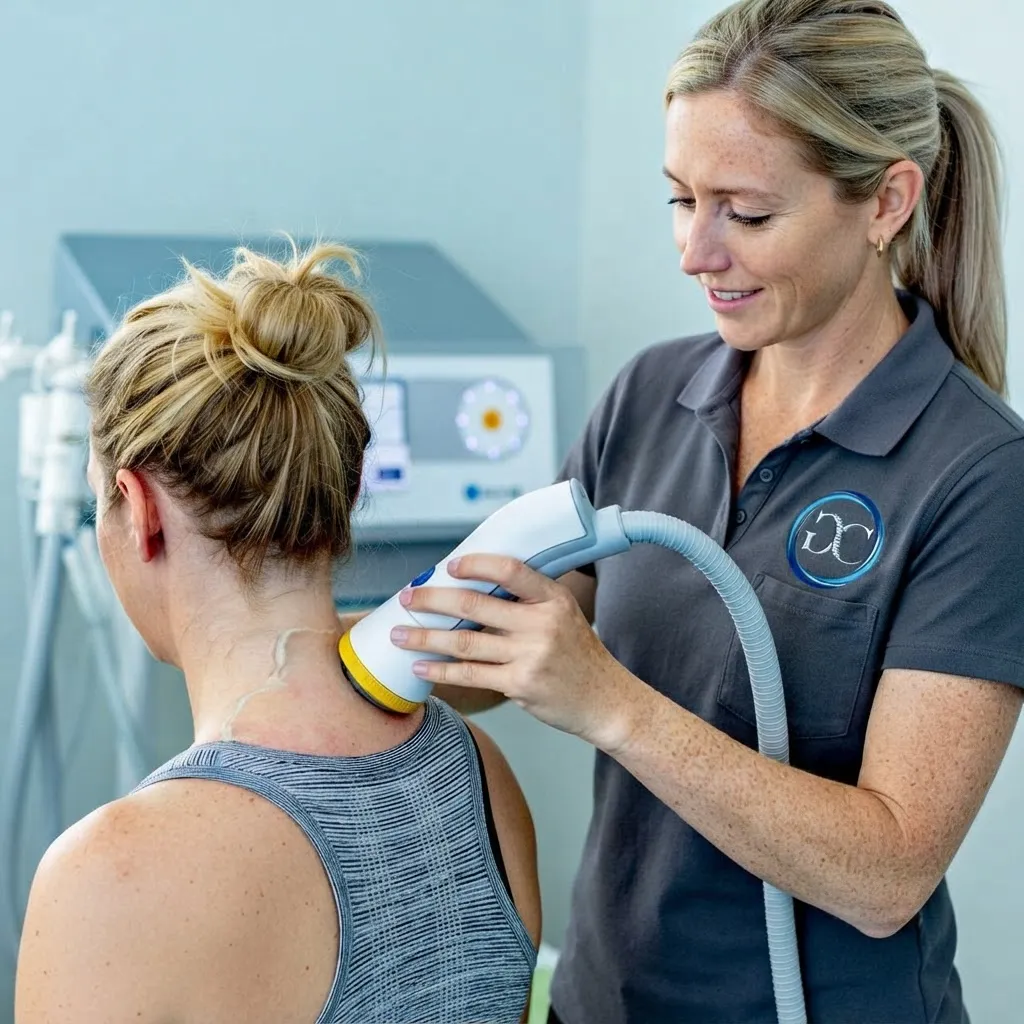
SoftWave Shockwave Therapy in West Linn, Oregon
Regenerative, non-invasive shockwave therapy for injuries, chronic pain, and post-accident recovery. Patients drive in from Lake Oswego, Tualatin and Oregon City for it.
The Science
What Is SoftWave Therapy?
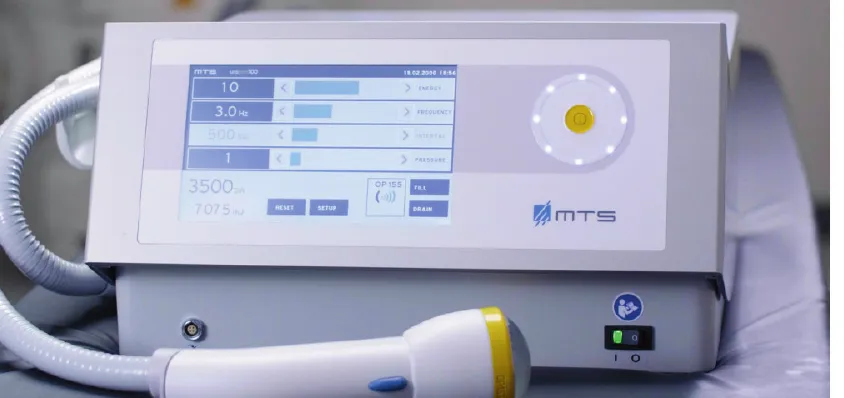
Shockwave therapy uses acoustic pressure waves to trigger your body's own repair response in injured tissue. SoftWave therapy is one of the most advanced forms of Extracorporeal Shock Wave Therapy (ESWT) available today, and Gentle Care Chiropractic offers it in West Linn for patients from across Lake Oswego, Tualatin, Oregon City and the Portland area. Unlike older shockwave devices, it uses patented electrohydraulic technology to generate true, unfocused acoustic shockwaves that reach both deep and wide areas of injured tissue.
It's an FDA-cleared, non-invasive treatment that stimulates your body's own natural healing and regenerative processes — without the microtrauma, pain, or downtime associated with other devices.
For patients recovering from motor vehicle accidents, sports injuries, and chronic musculoskeletal pain, SoftWave gives us another powerful tool to accelerate healing at the cellular level — often complementing chiropractic adjustments, massage therapy, and physical therapy for faster, more complete recovery.
"The same technology used to break up kidney stones is now used to increase circulation, break up scar tissue and calcifications, and stimulate the migration of stem cells and growth factors to injured areas."
SoftWave Regenerative Medicine
of patients experienced successful healing in independent studies.
typical treatment time — with no downtime afterward.
needles, incisions, anesthesia, or medication required.
of continued biological healing after your final session.
Not All Shockwave Is Equal
What Makes SoftWave Different
Many "shockwave" machines on the market are really low-energy radial devices. SoftWave's patented design sets it apart in three important ways.
True Electrohydraulic Shockwaves
An electrode discharges inside a water-filled applicator head, creating a rapidly expanding gas bubble. This produces a genuine acoustic shockwave — not a low-energy radial pressure wave — that travels through tissue several times faster than sound moves through air.
Unfocused, Broad & Deep Field
Rather than concentrating energy at a single painful point, SoftWave's patented parabolic reflector spreads acoustic energy across a wide and deep treatment zone — reaching structures that focused and radial devices simply can't.
Healing Without Microtrauma
Traditional focused shockwave works by intentionally damaging tissue, often requiring numbing agents. SoftWave instead uses mechanotransduction — the waves compress and expand cell membranes to activate a healing response without injuring healthy tissue.
The Mechanism
How SoftWave Heals at the Cellular Level
When acoustic waves pass through injured, inflamed, or scarred tissue, a cascade of healing responses begins almost immediately.
Increased Blood Flow
New capillary formation (angiogenesis) delivers more oxygen and nutrients, with studies showing significant increases in blood vessel density within weeks of treatment.
Stem Cell Activation
The mechanical stimulus signals your body to recruit its own reparative stem cells to injured tissue — earning SoftWave the nickname "the stem cell machine."
Reduced Inflammation
Cellular signaling shifts the tissue environment away from chronic inflammation and toward active repair.
Pain Modulation
Nerve fibers are stimulated in a way that reduces the perception of pain — often within the very same visit.
Tissue Remodeling
Over the following weeks, the body lays down new, healthier collagen in tendons, ligaments, muscle, and even cartilage.
A built-in diagnostic advantage: because SoftWave only produces this healing response in tissue that is actually damaged, inflamed, or scarred, running the applicator over healthy tissue produces little reaction. That biofeedback helps us pinpoint exactly where your injury is and confirm your treatment plan is targeting the right areas.
Why Patients Choose It
The Benefits of SoftWave Therapy
A regenerative, drug-free option that addresses the root of your pain — not just the symptoms.
Regenerative Healing
Activates your body's own repair systems at the cellular level — stimulating stem cells, new blood vessels, and healthier tissue.
Powerful Pain Relief
Modulates nerve signaling and calms chronic inflammation — many patients feel relief within the very first session.
Non-Invasive & Drug-Free
No needles, no anesthesia, no incisions, and no meaningful downtime. A typical session takes just 5–15 minutes.
Broad, Deep Coverage
Each pulse treats a wide and deep tissue zone rather than a single focal point — and pairs seamlessly with the rest of your care plan.
Who Can Benefit
Conditions We Treat
SoftWave treats a wide range of acute and chronic musculoskeletal conditions — including many of the injuries we commonly see after motor vehicle accidents and sports or workplace injuries.
Spine & Post-Accident
- Whiplash-associated neck & shoulder pain
- Low back & mid-back pain
- Soft-tissue & disc-related injuries
- Chronic pain after a car accident
- Scar tissue & adhesions from prior injury
Joints & Extremities
- Rotator cuff injuries & shoulder impingement
- Tennis elbow & golfer's elbow
- Wrist & hand pain
- Hip & pelvic pain
- Knee pain, ligament sprains & osteoarthritis
- Ankle sprains
Chronic & Soft Tissue
- Plantar fasciitis & heel pain
- Tendinopathy & chronic tendinitis
- Muscle strains & sprains
- Post-surgical stiffness
- Calcifications
- Hard-to-resolve chronic pain
This list isn't exhaustive — if you're dealing with persistent pain or a soft-tissue injury, ask us whether SoftWave could be part of your care plan.
Getting Started
Sessions & Pricing
Start with a trial visit
Every SoftWave plan begins with a trial visit to confirm shockwave is the right option and that you're a good candidate before committing to a series.
$150–$300 per session
Price depends on the treatment area, your presentation and your specific needs. Prepaid package discounts and financing are both available.
Covered by PIP
If your injury is from a car accident, SoftWave is covered under Oregon PIP, which pays up to $15,000 in care with no out-of-pocket cost for most patients.
Serving the Whole Area
SoftWave Shockwave Near You
Our West Linn clinic is a short drive from across Clackamas County and southwest Portland, and it's one of the only places in the area offering SoftWave.
Accident & Injury Recovery
Why We Use SoftWave for Auto & Personal Injury Patients
Car accident injuries — whiplash, soft-tissue sprains and strains, and disc irritation — often involve deep tissue damage that doesn't always respond quickly to adjustments or massage alone. Adding SoftWave to a multidisciplinary treatment plan can make a real difference.
Good news on cost: if your injury is from a car accident, SoftWave is covered under Oregon PIP, which pays up to $15,000 in care with no out-of-pocket cost for most patients.
Speeds up the resolution of inflammation and swelling in the injured region
Reduces problematic scar tissue and adhesions that can lead to chronic pain
Shortens overall recovery timelines — important for both your health and your case
Provides objective, patient-reported biofeedback that helps document treatment response
Your Experience
What to Expect During Treatment
Assessment
We identify the specific tender or trigger-point areas related to your injury and map your treatment plan.
Gel Application
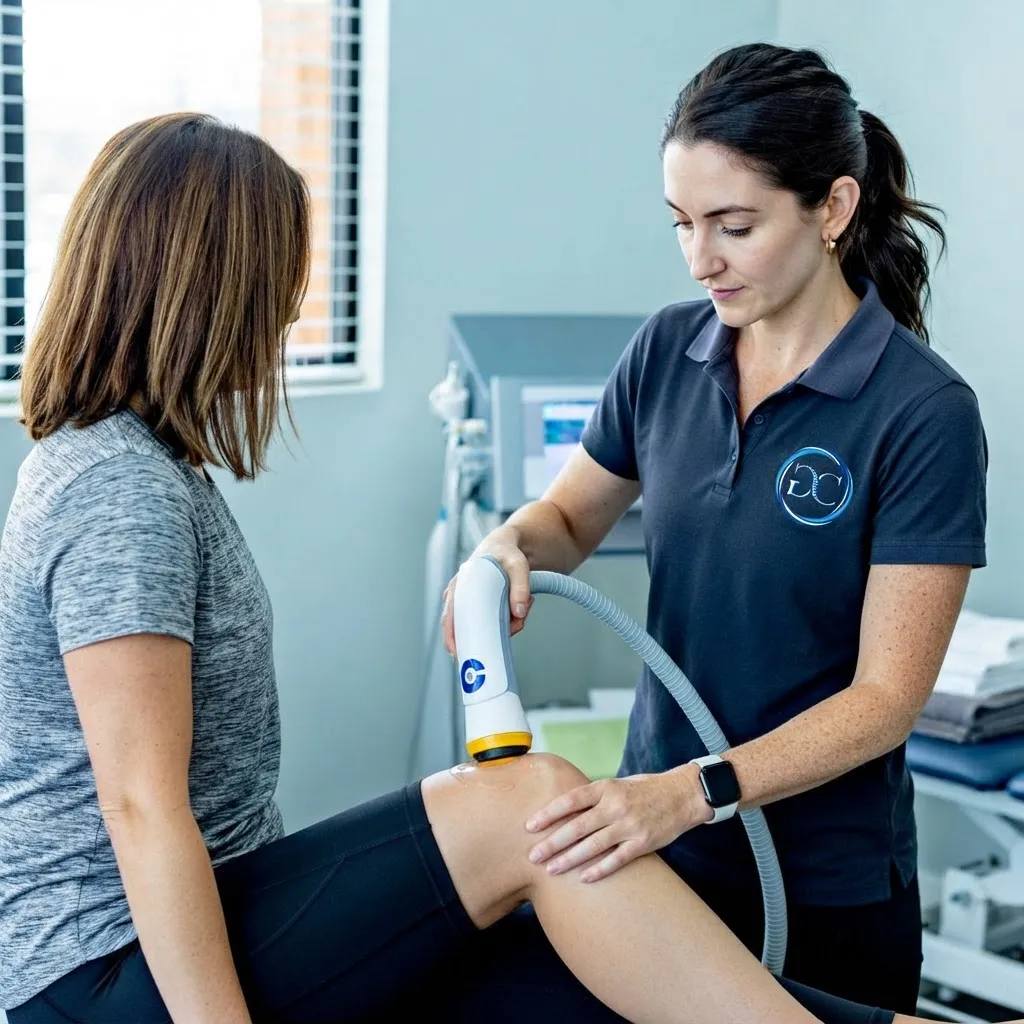
A gel is applied so the SoftWave applicator glides smoothly over the skin.
Treatment Pulses
The applicator moves over the area in a series of pulses. You'll hear a clicking sound and feel a comfortable pulsing sensation.
Feedback Loop
You communicate your response throughout, and we adjust energy level and placement in real time.
Done in Minutes
A typical session takes 5–15 minutes with no anesthesia, no needles, and no downtime. Return to normal activity right away.
A Series Built Around You
Most patients need a series of sessions (commonly 4–8, once weekly) to achieve maximum benefit, though many notice reduced pain and improved mobility after the very first visit. Because SoftWave stimulates biological changes that continue for weeks afterward, results tend to keep improving for up to 8–12 weeks following your last session.
Frequently Asked Questions
Is SoftWave therapy painful?
How is SoftWave different from other shockwave or "radial" devices?
How many sessions will I need?
How quickly will I feel results?
Are there any side effects?
Who shouldn't get SoftWave therapy?
Is SoftWave covered by insurance?
Can SoftWave be combined with chiropractic, massage, or physical therapy?
Ready to Start Healing?
If you're dealing with a stubborn injury from a car accident, sports activity, or everyday wear and tear, SoftWave may help you heal faster and more completely — without surgery, injections, or long recovery times. New patients welcome.
Individual results vary. SoftWave is FDA 510(k) cleared for specific indications including activation of connective tissue, treatment of chronic diabetic foot ulcers, treatment of acute second-degree burns, temporary pain relief, and improved local blood circulation. This page is for informational purposes and is not a guarantee of outcome for any specific condition.