

Lumbar Disc Herniation
Expert care for Lumbar Disc Herniation at Gentle Care Chiropractic in West Linn, Oregon.
Understanding Lumbar Disc Herniation
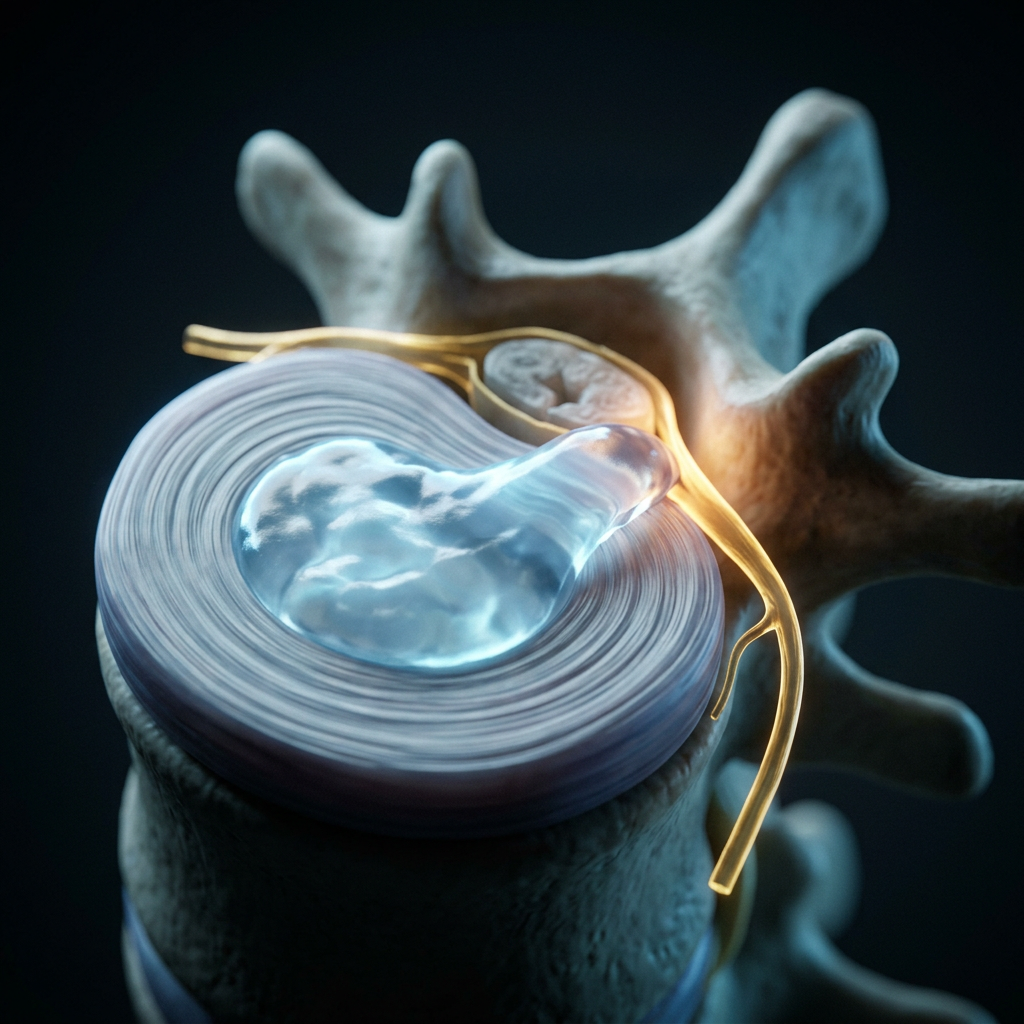
Also known as: Bulging Disc, Slipped Disc, Herniated Nucleus Pulposus, Lumbar HNP The phrase "you have a disc herniation" lands differently than it should. Most people hear it and picture surgery, permanent damage, or a back that will never be the same. What I want you to know upfront is this: up to 90% of lumbar disc herniations improve without surgery when treated with appropriate conservative care. The disc itself — a structure with a tough outer ring (annulus fibrosus) and a softer gel center (nucleus pulposus) — has responded to herniation and resorption in human bodies for as long as spines have existed.
The most commonly affected levels are L4-L5 and L5-S1, the two lowest lumbar segments that bear the greatest load. When the disc herniates, the nucleus pulposus pushes through a weakened spot in the outer ring and compresses a nearby nerve root. The compression triggers inflammation, and that combination of mechanical pressure and chemical irritation is what produces the classic symptoms: sharp, burning, or electric pain shooting from the lower back into the buttock and down the leg — often past the knee to the calf or foot. Numbness or tingling may follow a specific dermatomal pattern (meaning it follows the territory of a particular nerve root), and you might notice weakness lifting the foot or rising on your toes.
Sitting, bending forward, coughing, and sneezing typically worsen symptoms; lying down or walking may ease them. Mornings are often the worst. The classic triggers are lifting with a flexed and twisted spine, prolonged sitting, and deconditioning. Age-related disc drying (desiccation), smoking, obesity, and prior back injury all increase risk.
I'd also add repetitive bending under load — which affects a lot of people in construction, healthcare, and manual trade work. Our primary tool for lumbar disc herniation is flexion-distraction — the Cox Technique — which gently pumps the disc using a specialized table, creating negative pressure that can help retract the herniated material over time. For more pronounced disc bulges, motorized spinal decompression provides deeper sustained traction. McKenzie extension exercises help centralize leg symptoms (move them from the foot back toward the low back, which is a good prognostic sign), and neural mobilization — "nerve flossing" — helps the irritated nerve slide more freely through its pathway.
Class IV laser and PEMF address inflammation around the nerve root. Core stabilization with McGill's "Big 3" progressively rebuilds the support system that protects the disc. Most patients see clear improvement within four to eight weeks. If you develop progressive weakness, bowel or bladder changes, or fail to progress after six to eight weeks of care, we refer for MRI and surgical consultation.
We may recommend: flexion-distraction/Cox, spinal decompression, McKenzie directional exercises, Class IV laser, PEMF, corrective exercise, ergonomic coaching Seek immediate care if: You develop loss of bowel or bladder control, numbness in the inner thighs and groin (saddle anesthesia), or rapidly progressive leg weakness — these may indicate cauda equina syndrome, a surgical emergency.
How We Can Help
At Gentle Care Chiropractic, we take a multi-disciplinary approach — addressing the root cause of your condition, not just the symptoms.
Chiropractic Adjustments
Precise spinal and joint corrections to restore alignment, relieve nerve pressure, and reduce pain — manual or instrument-assisted based on your needs.
Massage Therapy
Therapeutic massage releases muscle tension, improves circulation to injured tissue, and works synergistically with adjustments for faster recovery.
Physical Rehabilitation
Customized exercise programs strengthen supporting muscles, restore range of motion, and help prevent future flare-ups.
Laser Therapy
Cold laser therapy uses targeted light wavelengths to stimulate cellular healing, reduce inflammation, and relieve deep tissue pain without heat or discomfort.
Electrical Stimulation
E-stim therapy reduces pain and muscle spasm, improves circulation, and supports the healing process — especially effective for acute injuries.
Personalized Care Plan
Every patient is different. We combine these therapies in a plan tailored to your diagnosis, goals, and lifestyle for the best possible outcome.
Ready to Find Relief?
You don't have to live with Lumbar Disc Herniation. Our team at Gentle Care Chiropractic is here to help you recover and get back to doing what you love.