

MCL/LCL Sprain
Expert care for MCL/LCL Sprain at Gentle Care Chiropractic in West Linn, Oregon.
Understanding MCL/LCL Sprain
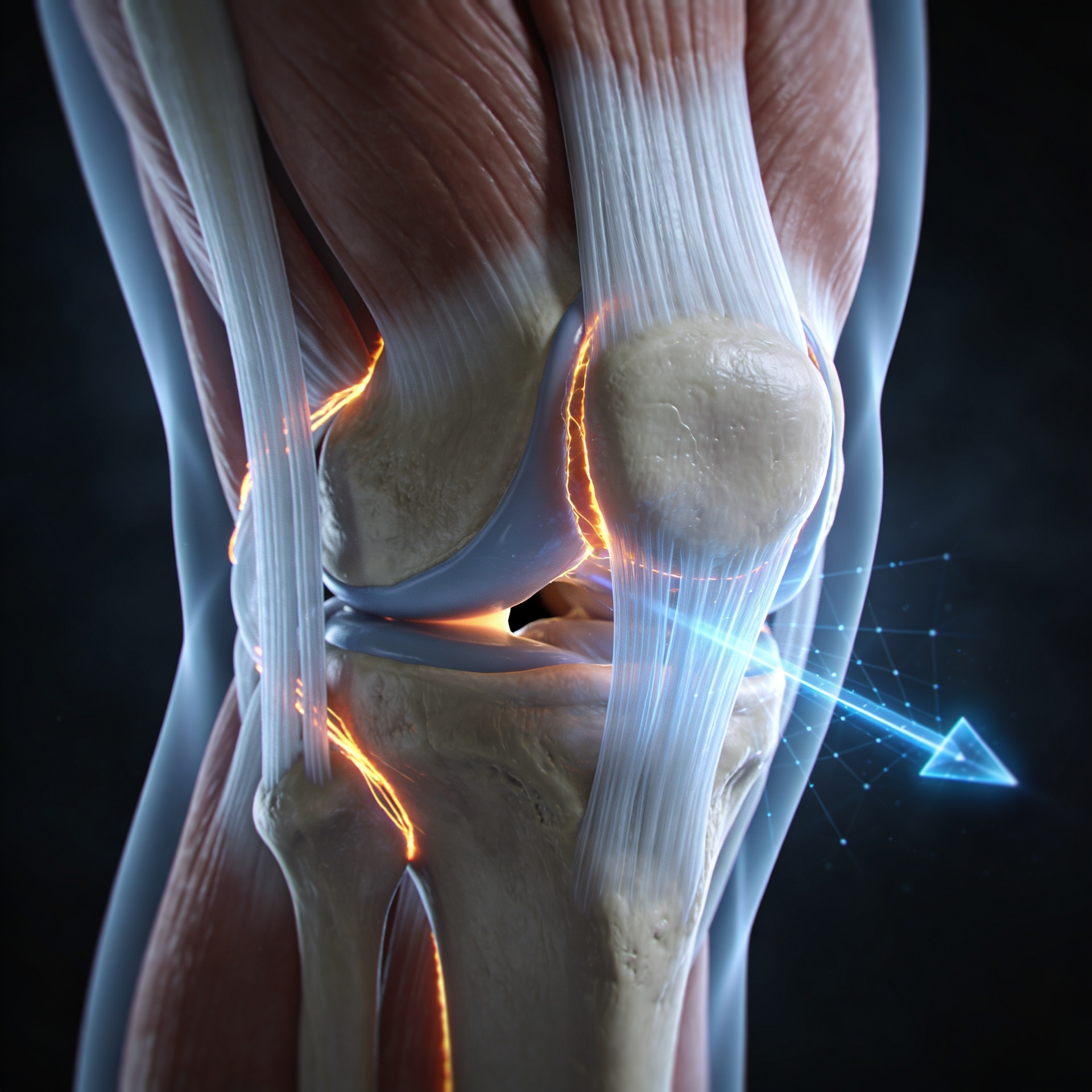
Also known as: Medial Collateral Ligament Sprain, Lateral Collateral Ligament Sprain, Collateral Ligament Injury The medial collateral ligament (MCL) on the inside of the knee and the lateral collateral ligament (LCL) on the outside act as side-to-side stabilizers. A force that pushes the knee inward (valgus) can strain or tear the MCL; an outward force (varus) can injure the LCL. Sprains are graded I (mild stretch), II (partial tear), or III (complete tear). Isolated MCL injuries — especially grade I and II — heal remarkably well with structured conservative care, which is why surgery is rarely the first step.
Immediate pain on the inside or outside of the knee after a tackle, awkward landing, or cutting move, with possible instability, mild swelling, and pain on stress testing are typical. Contact sports, cutting and pivoting activities, and slips on uneven terrain are common culprits. We follow the modern PEACE & LOVE framework (Protection, Elevation, Avoid anti-inflammatories acutely, Compression, Education — then Load, Optimism, Vascularization, Exercise) that favors active recovery. We mobilize the knee to prevent stiffness, use Class IV laser to support healing, apply functional taping or bracing, and progress rehab from isometrics to closed-chain strengthening to sport-specific cutting and plyometrics.
Grade I typically heals in two to four weeks, grade II in four to eight. Grade III — particularly LCL tears — usually warrants orthopedic referral. We may recommend: mobilization, extremity adjustments, Class IV laser, kinesio taping, corrective exercise, PEMF, eccentric loading protocol Seek immediate care if: The knee feels grossly unstable, you cannot bear weight, or there is rapid significant swelling suggesting multi-ligament or combined injury.
How We Can Help
At Gentle Care Chiropractic, we take a multi-disciplinary approach — addressing the root cause of your condition, not just the symptoms.
Chiropractic Adjustments
Precise spinal and joint corrections to restore alignment, relieve nerve pressure, and reduce pain — manual or instrument-assisted based on your needs.
Massage Therapy
Therapeutic massage releases muscle tension, improves circulation to injured tissue, and works synergistically with adjustments for faster recovery.
Physical Rehabilitation
Customized exercise programs strengthen supporting muscles, restore range of motion, and help prevent future flare-ups.
Laser Therapy
Cold laser therapy uses targeted light wavelengths to stimulate cellular healing, reduce inflammation, and relieve deep tissue pain without heat or discomfort.
Electrical Stimulation
E-stim therapy reduces pain and muscle spasm, improves circulation, and supports the healing process — especially effective for acute injuries.
Personalized Care Plan
Every patient is different. We combine these therapies in a plan tailored to your diagnosis, goals, and lifestyle for the best possible outcome.
Ready to Find Relief?
You don't have to live with MCL/LCL Sprain. Our team at Gentle Care Chiropractic is here to help you recover and get back to doing what you love.