

Migraine Headache
Expert care for Migraine Headache at Gentle Care Chiropractic in West Linn, Oregon.
Understanding Migraine Headache
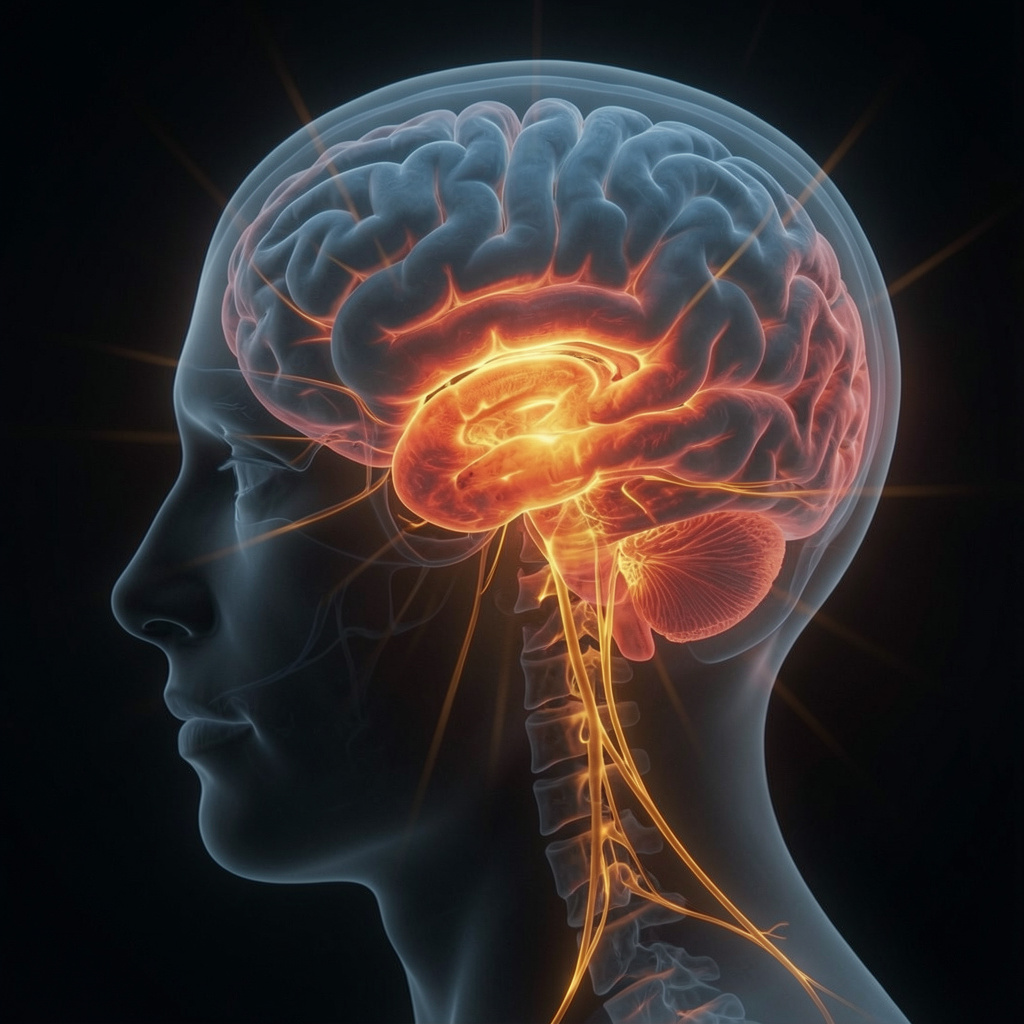
Also known as: Migraine, Vascular Headache, Migraine with or without Aura Migraine is a complex neurological condition, not "just a bad headache" — and that distinction matters for how we approach care. It involves changes in brain excitability, trigeminal nerve activation, and blood vessel sensitivity, producing episodes that can include severe head pain, nausea, light sensitivity (photophobia), sound sensitivity (phonophobia), and sometimes aura — visual disturbances like zigzags or flashing lights that typically precede the headache by 5-60 minutes. Migraine episodes can last 4 to 72 hours and occur episodically (less than 15 headache days per month) or chronically. Chiropractic care is not a cure for migraine — I want to be clear about that — but research supports cervical manipulation as an adjunct that may reduce migraine frequency and intensity, with effects comparable to some preventive medications.
Our role is to reduce the overall migraine "trigger load. " The throbbing or pulsating pain is typically unilateral and worsened by routine physical activity. Many patients also experience a prodrome — fatigue, food cravings, or mood changes — in the day before. Common triggers include hormonal fluctuations (particularly menstrual migraine), disrupted sleep, skipped meals, dehydration, alcohol (especially red wine), aged cheeses, bright lights, weather changes, and stress.
There's also the "let-down" pattern — the migraine that arrives on the first day of vacation after a stressful week, when cortisol drops suddenly. Genetics play a strong role, and women are affected three times more often than men. Neck dysfunction and upper cervical involvement frequently contribute to trigger load — which is where chiropractic care is most directly useful. Cervical and upper thoracic manipulation has evidence for reducing migraine frequency and intensity.
We combine adjustments with suboccipital release, trigger point therapy, and dry needling to calm the cervicogenic component. We coach you on trigger tracking — keeping a headache diary helps identify patterns that weren't obvious — along with hydration, magnesium and riboflavin considerations through nutrition counseling, and sleep hygiene. PEMF and Class IV laser can support nervous-system regulation. We co-manage closely with neurology — chiropractic care fits well alongside preventive or abortive medications, not as a replacement for them.
Most patients notice meaningful changes within eight to twelve weeks. We may recommend: diversified adjustments, Activator, suboccipital release, trigger point therapy, Class IV laser, PEMF, nutrition counseling Seek immediate care if: You experience a sudden severe "thunderclap" headache, new neurological deficits, headache with fever and stiff neck, a significant change in your usual migraine pattern, or a first migraine after age 50 — these may indicate a secondary headache requiring urgent evaluation.
How We Can Help
At Gentle Care Chiropractic, we take a multi-disciplinary approach — addressing the root cause of your condition, not just the symptoms.
Chiropractic Adjustments
Precise spinal and joint corrections to restore alignment, relieve nerve pressure, and reduce pain — manual or instrument-assisted based on your needs.
Massage Therapy
Therapeutic massage releases muscle tension, improves circulation to injured tissue, and works synergistically with adjustments for faster recovery.
Physical Rehabilitation
Customized exercise programs strengthen supporting muscles, restore range of motion, and help prevent future flare-ups.
Laser Therapy
Cold laser therapy uses targeted light wavelengths to stimulate cellular healing, reduce inflammation, and relieve deep tissue pain without heat or discomfort.
Electrical Stimulation
E-stim therapy reduces pain and muscle spasm, improves circulation, and supports the healing process — especially effective for acute injuries.
Personalized Care Plan
Every patient is different. We combine these therapies in a plan tailored to your diagnosis, goals, and lifestyle for the best possible outcome.
Ready to Find Relief?
You don't have to live with Migraine Headache. Our team at Gentle Care Chiropractic is here to help you recover and get back to doing what you love.