

Muscle Strain / General Overuse
Expert care for Muscle Strain / General Overuse at Gentle Care Chiropractic in West Linn, Oregon.
Understanding Muscle Strain / General Overuse
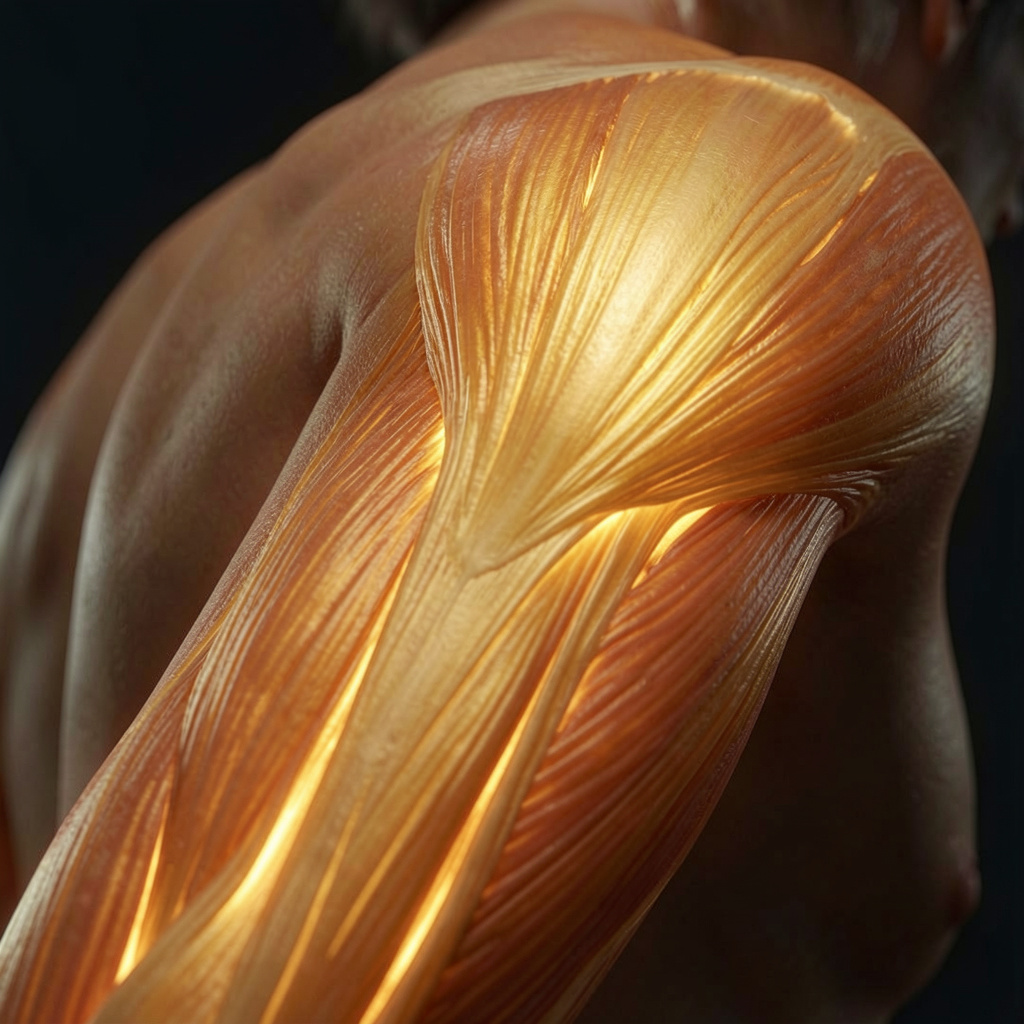
Also known as: Everyday Muscle Strain, Pulled Muscle, Overuse Strain Everyday muscle strains happen during ordinary activities, moving furniture, a long day of gardening, shoveling snow, lifting a suitcase overhead, helping a friend move. Unlike athletic injuries, there's often no dramatic moment of injury, just an awkward movement or an unfamiliar demand on muscles that weren't prepared for it. They're common, generally resolve well with conservative care, and respond especially well to early treatment that promotes active healing without prolonged rest. A sudden sharp pain at the moment of injury followed by aching, stiffness, and tenderness peaking 24 to 48 hours later is typical.
Pain is worse with stretching the muscle or contracting it against resistance. Simple movements (reaching, bending, rising from a chair) become the things you're suddenly avoiding. Early care follows PEACE & LOVE principles: early protection and gentle movement, not bed rest. IASTM, ART, and post-isometric relaxation improve tissue glide and reduce guarding.
Adjustments to compensating joints take load off the healing muscle. A progressive loading program ensures the tissue rebuilds stronger. Most strains improve substantially within one to three weeks. We may recommend: graded activity and loading, IASTM, Active Release Technique (ART), post-isometric relaxation (PIR), spinal and extremity adjustments, ice or heat protocol, progressive strengthening Seek immediate care if: You heard a loud pop with immediate significant weakness, cannot bear weight, see a visible muscle deformity, or have severe swelling: these may indicate a full muscle tear requiring urgent evaluation.
How We Can Help
At Gentle Care Chiropractic, we take a multi-disciplinary approach, addressing the root cause of your condition, not just the symptoms.
Chiropractic Adjustments
Precise spinal and joint corrections to restore alignment, relieve nerve pressure, and reduce pain. Manual or instrument-assisted based on your needs.
Massage Therapy
Therapeutic massage releases muscle tension, improves circulation to injured tissue, and works synergistically with adjustments for faster recovery.
Physical Rehabilitation
Customized exercise programs strengthen supporting muscles, restore range of motion, and help prevent future flare-ups.
Laser Therapy
Cold laser therapy uses targeted light wavelengths to stimulate cellular healing, reduce inflammation, and relieve deep tissue pain without heat or discomfort.
Electrical Stimulation
E-stim therapy reduces pain and muscle spasm, improves circulation, and supports the healing process. Especially effective for acute injuries.
Personalized Care Plan
Every patient is different. We combine these therapies in a plan tailored to your diagnosis, goals, and lifestyle for the best possible outcome.
Frequently Asked Questions
Common questions about Muscle Strain / General Overuse, answered by our team.
I strained my back moving furniture — do I need imaging before coming in?
Imaging isn't necessary for a typical muscle strain unless there are red-flag signs: significant trauma (a fall from height, motor vehicle accident), neurological symptoms like leg weakness or foot numbness, or pain after a seizure or osteoporosis diagnosis. For an ordinary muscle pull from lifting or moving, a clinical examination is the right starting point. We'll assess and refer for imaging if the presentation suggests something more than a soft-tissue strain.
Should I be resting completely, or is it okay to move around?
Moving is better than bed rest for virtually all muscle strains. Complete rest weakens the tissue and prolongs recovery. The PEACE & LOVE framework — the current evidence-based approach replacing the old RICE advice — emphasizes early protection (avoiding re-injury) followed by graded loading and movement as soon as pain allows. Walking, gentle range of motion, and staying active within your tolerance is the goal, not the couch.
Is it normal for muscle strain pain to peak a day or two after the injury?
Yes, and very common. Delayed-onset muscle soreness (DOMS) peaks 24 to 48 hours after the event, not immediately. The inflammatory response takes time to build, which is why many people feel fine right after an awkward movement and then wake up the next morning barely able to move. Knowing this is normal prevents unnecessary alarm — it doesn't mean you've made it worse overnight.
How is a muscle strain different from a disc injury? How do I know which one I have?
Muscle strains are typically local, tender to the touch in a specific area, and worsen with stretching or contracting the muscle. Disc injuries more commonly produce radiating symptoms — pain, numbness, or tingling into the arm or leg — and worsen specifically with flexion, coughing, or sneezing. A clinical examination (assessing neurological signs, range of motion, and provocative tests) usually makes the distinction clear without imaging.
Can I go back to the gym, or should I wait until I'm fully healed?
Graded return to activity is almost always better than waiting for complete resolution. "Fully healed" before resuming training leads to deconditioning that slows recovery. We help you identify what you can safely do now — typically lower-intensity movement that doesn't provoke significant pain — and progressively increase load as the tissue heals. Most people can return to gym activity much earlier than they expect, with appropriate modification.
Ready to Find Relief?
You don't have to live with Muscle Strain / General Overuse. Our team at Gentle Care Chiropractic is here to help you recover and get back to doing what you love.