

Pregnancy-Related Low Back and Pelvic Pain
Expert care for Pregnancy-Related Low Back and Pelvic Pain at Gentle Care Chiropractic in West Linn, Oregon.
Understanding Pregnancy-Related Low Back and Pelvic Pain
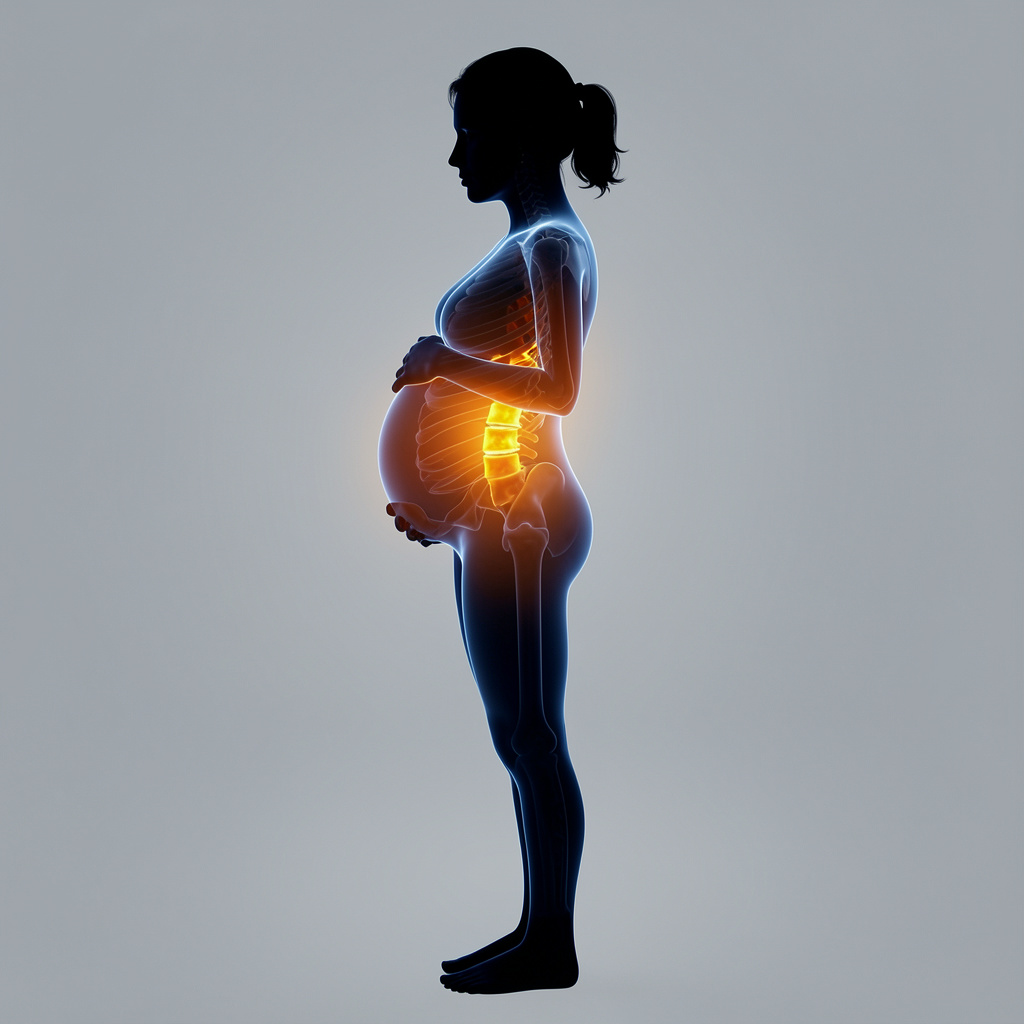
Also known as: Prenatal Back Pain, Pregnancy SI Joint Pain, Lumbopelvic Pain in Pregnancy More than half of pregnant patients experience some form of low back or pelvic pain, which means it's common, but it does not mean it's something you simply have to endure. As your body prepares for birth, the hormone relaxin increases ligament laxity throughout the pelvis, your growing baby shifts your center of gravity forward, and the lumbar spine responds with an exaggerated curve (hyperlordosis) that loads the SI joints and paraspinal muscles differently than they're used to. Discomfort in the lower spine, SI joints, or buttocks during the second and third trimesters is the typical result. Chiropractic care in pregnancy is safe, well-studied, and often produces meaningful relief.
A dull nagging ache across the low back or a sharper, pinching pain deep in the buttock or SI joint, worsening with walking, standing, climbing stairs, or rolling over in bed, is typical. Getting out of a car or lifting a toddler can trigger a sudden jolt. By evening, fatigue amplifies the ache, and finding a comfortable sleeping position can feel nearly impossible. We use pregnancy-adapted techniques: side-posture adjustments, Webster-oriented pelvic work performed on a pregnancy pillow that accommodates your belly, low-force SI mobilization, soft-tissue release of the gluteals and hip flexors, pelvic support belt recommendations, and prenatal stabilization exercises for the deep core and glutes.
We coordinate closely with your OB or midwife and refer out promptly for any concern outside our scope. We may recommend: side-posture pregnancy adjustments, Webster-oriented pelvic work, SI joint mobilization, soft-tissue therapy, pelvic support belt, prenatal stabilization exercises, ergonomic and sleep-position coaching Seek immediate care if: You experience vaginal bleeding, leaking fluid, preterm contractions, severe one-sided pain with fever (possible kidney infection), or calf swelling and redness suggesting a blood clot, contact your OB or emergency services immediately.
How We Can Help
At Gentle Care Chiropractic, we take a multi-disciplinary approach, addressing the root cause of your condition, not just the symptoms.
Chiropractic Adjustments
Precise spinal and joint corrections to restore alignment, relieve nerve pressure, and reduce pain. Manual or instrument-assisted based on your needs.
Massage Therapy
Therapeutic massage releases muscle tension, improves circulation to injured tissue, and works synergistically with adjustments for faster recovery.
Physical Rehabilitation
Customized exercise programs strengthen supporting muscles, restore range of motion, and help prevent future flare-ups.
Laser Therapy
Cold laser therapy uses targeted light wavelengths to stimulate cellular healing, reduce inflammation, and relieve deep tissue pain without heat or discomfort.
Electrical Stimulation
E-stim therapy reduces pain and muscle spasm, improves circulation, and supports the healing process. Especially effective for acute injuries.
Personalized Care Plan
Every patient is different. We combine these therapies in a plan tailored to your diagnosis, goals, and lifestyle for the best possible outcome.
Frequently Asked Questions
Common questions about Pregnancy-Related Low Back and Pelvic Pain, answered by our team.
Is chiropractic care actually safe during pregnancy, or should I wait until after I deliver?
Chiropractic care is considered safe throughout all three trimesters when performed by a provider trained in prenatal techniques. ACOG recognizes it as a safe option for pregnancy-related back pain, and a 2024 meta-analysis found no increased adverse outcomes for mothers or babies. We use pregnancy-adapted positioning — side-posture setups and pregnancy pillows — so no pressure is ever placed on your abdomen.
Will my back pain get worse as the pregnancy progresses, or is this something that can actually improve?
It often does worsen in the third trimester as the baby grows and relaxin levels remain elevated, but that's not a given. Patients who start care in the second trimester and keep up with their home exercises — pelvic tilts, deep core activation, and sleep-position adjustments — typically manage far better than those who wait. Early intervention makes a meaningful difference.
Can I keep coming in right up to my due date, or is there a point where adjustments aren't appropriate?
Most patients continue care safely through the final weeks of pregnancy, and many find relief becomes even more valuable in the last trimester as pelvic pressure increases. We do coordinate closely with your OB or midwife throughout. There are specific obstetric conditions — placenta previa, active bleeding, preterm labor — where care stops and your OB takes over completely.
Can chiropractic care affect labor or delivery at all?
Balanced pelvic mechanics may support a more comfortable labor by reducing asymmetric tension on the uterus and birth canal — this is one reason many midwives and OBs are comfortable recommending prenatal chiropractic. We don't make specific claims about labor outcomes, but a pelvis that moves freely and symmetrically is generally a better-prepared pelvis.
What can I do at home between visits to keep the pain under control?
A few things make a real difference: side-lying with a pillow between your knees to keep the pelvis neutral, getting out of bed by rolling to your side first, pelvic support belt during long walks or standing tasks, and gentle prenatal core activation (not crunches — think diaphragmatic breathing and gentle pelvic floor engagement). We walk you through a specific home routine based on your presentation.
Ready to Find Relief?
You don't have to live with Pregnancy-Related Low Back and Pelvic Pain. Our team at Gentle Care Chiropractic is here to help you recover and get back to doing what you love.