

Pubic Symphysis Dysfunction
Expert care for Pubic Symphysis Dysfunction at Gentle Care Chiropractic in West Linn, Oregon.
Understanding Pubic Symphysis Dysfunction
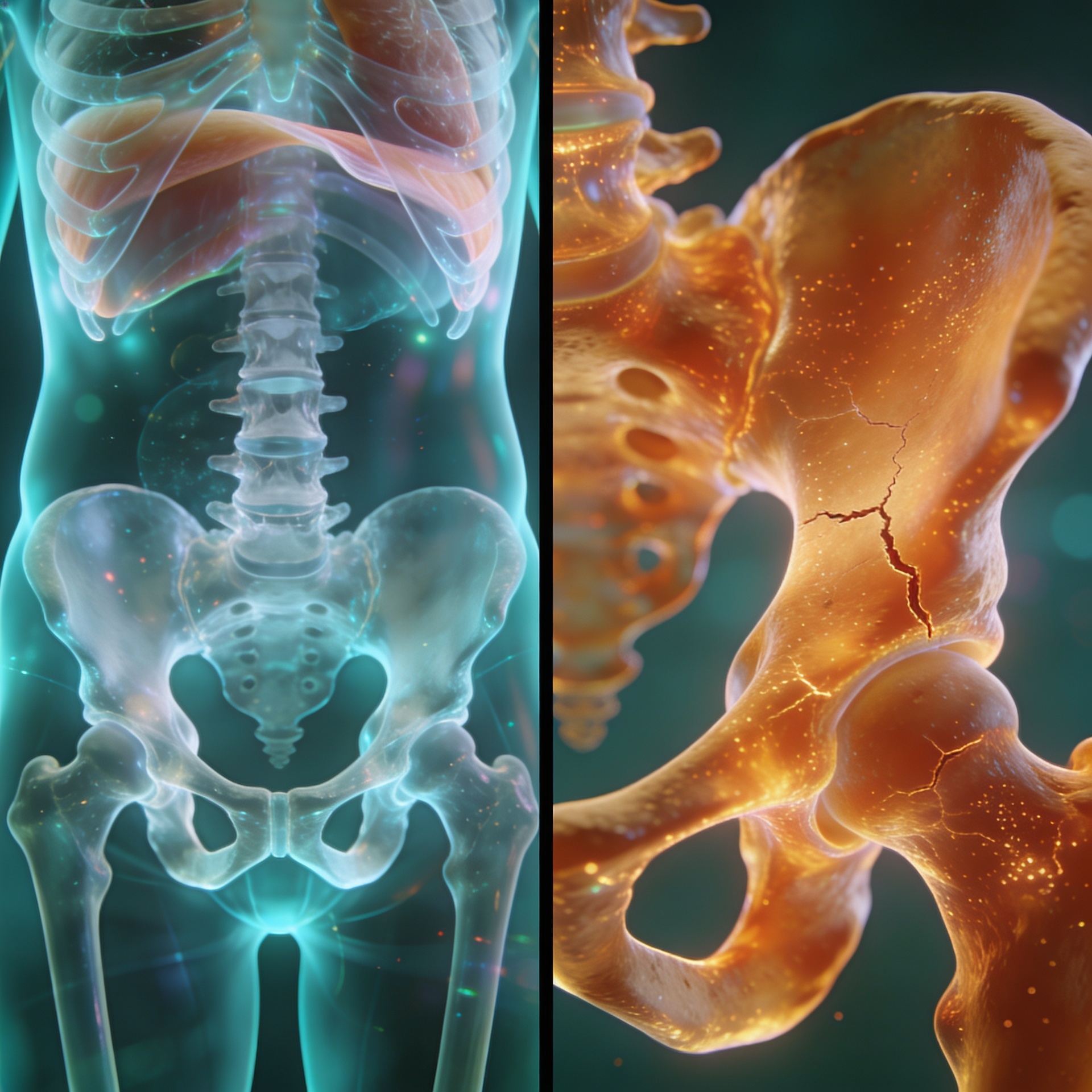
Also known as: SPD, Symphysis Pubis Dysfunction, Pelvic Girdle Pain, PGP The pubic symphysis (the cartilage joint at the front of the pelvis where the two pubic bones meet) allows only a few millimeters of movement under normal conditions. Pregnancy hormones soften the supporting ligaments, and when the SI joints or pubic symphysis load unevenly due to pelvic asymmetry, muscle imbalance, or prior injury, painful shearing develops. SPD affects roughly one in four pregnant patients and is a common cause of the pelvic girdle pain that makes ordinary activities (walking, turning over in bed, getting dressed) genuinely difficult. Sharp, grinding, or burning pain directly over the pubic bone, often with an audible click when walking or turning in bed, and severe pain when parting the legs (getting out of a car, putting on pants, climbing into bed) is the hallmark.
Standing on one leg can feel nearly impossible. Very gentle SI and pubic symphysis adjustments, pelvic blocking with padded wedges, targeted adductor and inner thigh soft-tissue work, and a pregnancy support belt worn low across the hips often provide immediate relief. "Unit movement" strategies (keeping the knees together when rolling, getting in and out of cars, or dressing) are practical and effective. When pelvic floor dysfunction is also present, we co-manage with a pelvic floor physical therapist.
We may recommend: gentle pubic symphysis and SI adjustments, pelvic blocking, pregnancy support belt, adductor soft-tissue therapy, unit-movement coaching, pelvic floor PT co-management, prenatal stabilization exercises Seek immediate care if: You cannot bear weight, the pubic gap feels dramatically widened, or you develop fever postpartum, contact your OB or seek emergency evaluation.
How We Can Help
At Gentle Care Chiropractic, we take a multi-disciplinary approach, addressing the root cause of your condition, not just the symptoms.
Chiropractic Adjustments
Precise spinal and joint corrections to restore alignment, relieve nerve pressure, and reduce pain. Manual or instrument-assisted based on your needs.
Massage Therapy
Therapeutic massage releases muscle tension, improves circulation to injured tissue, and works synergistically with adjustments for faster recovery.
Physical Rehabilitation
Customized exercise programs strengthen supporting muscles, restore range of motion, and help prevent future flare-ups.
Laser Therapy
Cold laser therapy uses targeted light wavelengths to stimulate cellular healing, reduce inflammation, and relieve deep tissue pain without heat or discomfort.
Electrical Stimulation
E-stim therapy reduces pain and muscle spasm, improves circulation, and supports the healing process. Especially effective for acute injuries.
Personalized Care Plan
Every patient is different. We combine these therapies in a plan tailored to your diagnosis, goals, and lifestyle for the best possible outcome.
Dealing with this in West Linn, Lake Oswego or Oregon City?
Same-week appointments. PIP and most insurance accepted.
Frequently Asked Questions
Common questions about Pubic Symphysis Dysfunction, answered by our team.
Is the pain I feel in my pubic bone going to be permanent, or will it go away after delivery?
For the vast majority of patients, SPD resolves within a few months postpartum as relaxin levels drop and ligament laxity normalizes. Pelvic floor rehabilitation after delivery can accelerate recovery significantly. In a small number of cases — particularly when there was significant joint separation — recovery takes longer, which is why managing the load on the joint during pregnancy matters.
What positions and activities make SPD worse, and what should I be avoiding?
Single-leg activities are the biggest trigger — getting dressed standing on one leg, stepping out of a tub, climbing stairs one leg at a time, wide-leg movements in yoga. "Unit movement" principles help: keep your knees together when rolling in bed, getting into a car (swing both legs in together), and getting dressed while seated. Stride length matters too — shorter steps reduce the shearing at the pubic joint.
Is it safe for a chiropractor to touch the pubic area during pregnancy?
Yes, with appropriate technique and clear communication. Pubic symphysis work during pregnancy is gentle — we use padded pelvic blocking wedges, very low-force mobilization, and targeted soft-tissue release on the adductors and inner thighs. Nothing forceful or uncomfortable. Many patients are relieved to find that care is much gentler than they imagined, and the results can be significant within just a few visits.
How is SPD different from the general low back and SI joint pain everyone talks about in pregnancy?
Pregnancy SI pain is located in the posterior pelvis (the dimple area at the back), while SPD is specifically at the pubic bone at the front of the pelvis, with pain when parting the legs or standing on one leg. Both involve ligament laxity and pelvic instability, but the treatment emphasis is different — we approach SPD more gently and with a stronger focus on keeping the pubic bones from shearing against each other.
Will I need pelvic floor therapy as well, or is chiropractic enough on its own?
For many SPD patients, chiropractic care alone provides meaningful relief. But when pelvic floor dysfunction is also present — which is common, since the pelvic floor muscles attach to the pubic bones — co-management with a pelvic floor physical therapist produces better outcomes than either approach alone. We'll let you know when that collaboration makes clinical sense.
Ready to Find Relief?
You don't have to live with Pubic Symphysis Dysfunction. Our team at Gentle Care Chiropractic is here to help you recover and get back to doing what you love.