

Stress / Tension-Related Musculoskeletal Pain
Expert care for Stress / Tension-Related Musculoskeletal Pain at Gentle Care Chiropractic in West Linn, Oregon.
Understanding Stress / Tension-Related Musculoskeletal Pain
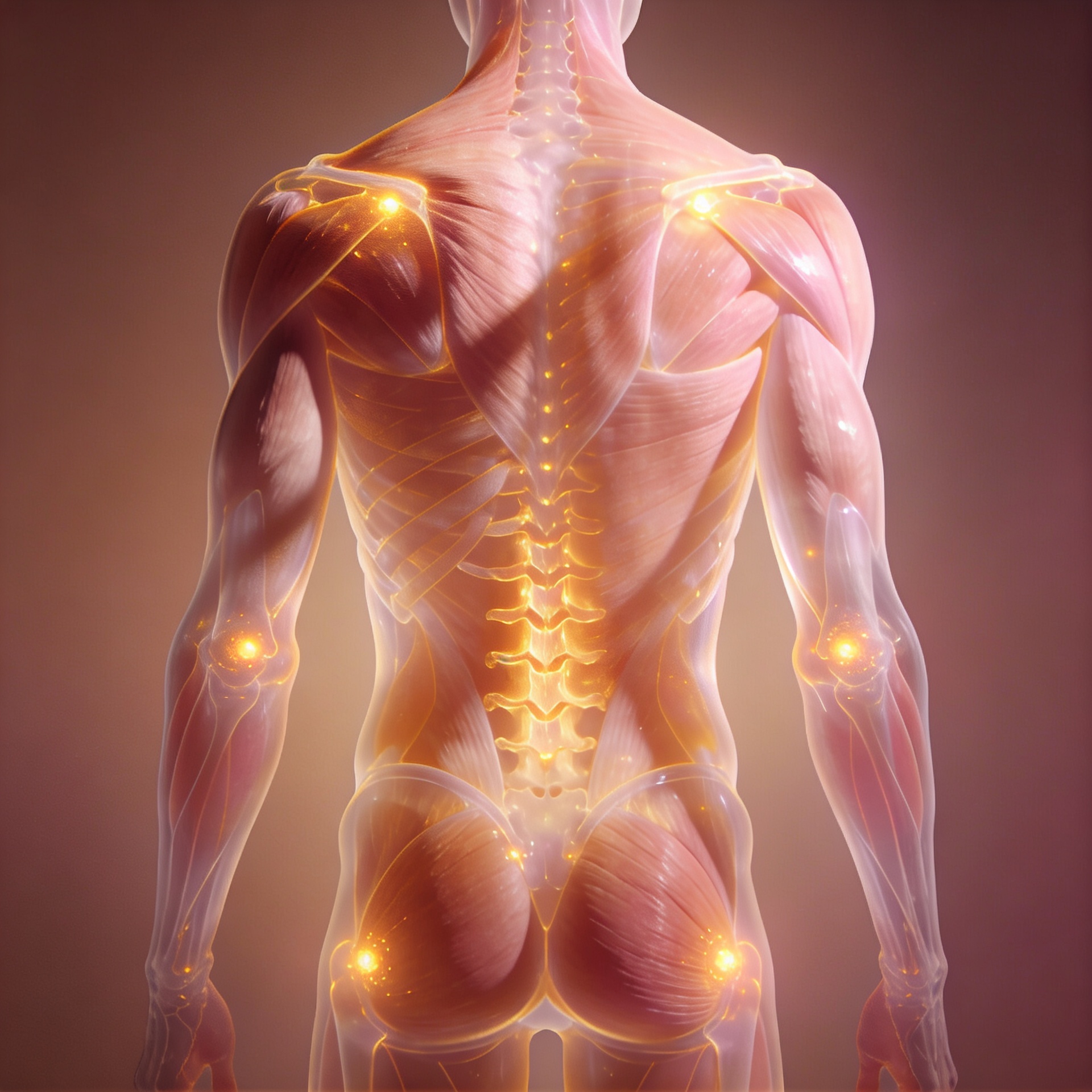
Also known as: Tension-Related Pain, Stress-Induced Muscle Pain, Psychosomatic Muscle Tension Stress-related musculoskeletal pain is real, measurable, and not "in your head", it's a genuine neuromuscular response to what happens when your nervous system's fight-or-flight circuits run too hot for too long. Stress hormones elevate muscle tone, shift breathing from diaphragmatic to shallow chest breathing, disrupt sleep, and alter pain sensitivity in ways that produce concrete physical symptoms: tight shoulders, a clenched jaw, tension headaches, and upper back tightness that doesn't fully resolve no matter how much you stretch. A persistent band of tightness across the neck and shoulders, recurring tension headaches, jaw clenching or morning jaw soreness, shallow chest breathing, and sleep that leaves you unrested are the common pattern. Many patients describe feeling "wired but tired", exhausted but unable to fully settle down.
Cervical and thoracic adjustments relieve the mechanical component. Myofascial release and trigger point therapy quiet the hypertonic upper traps, suboccipitals, and jaw muscles. Diaphragmatic breathing retraining directly down-shifts the nervous system: this is not incidental but a key therapeutic tool. When appropriate, HRV biofeedback and progressive relaxation training add another layer.
We also provide lifestyle counseling on sleep, movement, and caffeine. When stress or mood symptoms warrant more support, we refer to therapists trained in CBT or mind-body care. We may recommend: cervical and thoracic adjustments, myofascial release, trigger point therapy, diaphragmatic breathing training, HRV biofeedback, relaxation training, CBT referral when indicated Seek immediate care if: You experience chest pain, severe or sudden headache unlike any before, thoughts of self-harm, or crushing emotional distress: these warrant immediate medical or mental health evaluation.
How We Can Help
At Gentle Care Chiropractic, we take a multi-disciplinary approach, addressing the root cause of your condition, not just the symptoms.
Chiropractic Adjustments
Precise spinal and joint corrections to restore alignment, relieve nerve pressure, and reduce pain. Manual or instrument-assisted based on your needs.
Massage Therapy
Therapeutic massage releases muscle tension, improves circulation to injured tissue, and works synergistically with adjustments for faster recovery.
Physical Rehabilitation
Customized exercise programs strengthen supporting muscles, restore range of motion, and help prevent future flare-ups.
Laser Therapy
Cold laser therapy uses targeted light wavelengths to stimulate cellular healing, reduce inflammation, and relieve deep tissue pain without heat or discomfort.
Electrical Stimulation
E-stim therapy reduces pain and muscle spasm, improves circulation, and supports the healing process. Especially effective for acute injuries.
Personalized Care Plan
Every patient is different. We combine these therapies in a plan tailored to your diagnosis, goals, and lifestyle for the best possible outcome.
Frequently Asked Questions
Common questions about Stress / Tension-Related Musculoskeletal Pain, answered by our team.
Is my pain "real" if it's caused by stress, or is this psychosomatic?
It's completely real — and the physiology is measurable. Chronic stress elevates cortisol and keeps your nervous system's fight-or-flight circuits activated, which raises resting muscle tone, disrupts sleep quality, and lowers pain thresholds. These aren't imagined; they show up in exam findings, in palpably tight muscles, and in reduced range of motion. The stress is real, and so is the pain it generates.
Why does my pain always seem to concentrate in my neck and shoulders rather than somewhere else?
The upper trapezius, scalenes, and levator scapulae are among the first muscles to contract under sympathetic nervous system activation — it's a protective bracing response. Add sustained posture at a desk (which loads exactly the same muscles) and poor sleep (which prevents overnight recovery), and you end up with a perfect storm of hypertonicity in the neck-shoulder region. Most people's "stress body" shows up there first.
Will chiropractic actually help with stress, or do I need to see a therapist?
Both can be valuable, and for many patients the best outcomes come from working at both levels simultaneously. Chiropractic addresses the physical side — releasing tight muscles, restoring spinal mobility, retraining the breathing pattern — while therapy addresses cognitive and behavioral patterns driving the stress response. We incorporate diaphragmatic breathing retraining directly into care, and we refer to CBT-trained therapists when that layer of support will add real value.
I know I'm stressed, but I thought yoga or exercise would be enough. Why isn't it working?
Exercise and yoga are genuinely helpful — but when the cervical and thoracic joints are restricted and specific muscle groups are in sustained spasm, movement alone may not break the cycle. Think of it like trying to stretch a muscle that's anchored by a stiff joint: you can stretch around the problem without fully resolving it. Manual care releases the joint and soft-tissue restriction, making exercise and yoga more effective than they would be otherwise.
How long does it take to see results for stress-driven pain?
Most patients notice a meaningful shift in muscle tension and headache frequency within three to six weeks of consistent care. Progress tends to parallel whatever is happening with the stress load itself — a patient who is also sleeping better and reducing caffeine improves faster than one where the stressors are intensifying. We set realistic expectations and track progress so care doesn't continue indefinitely without clear benefit.
Ready to Find Relief?
You don't have to live with Stress / Tension-Related Musculoskeletal Pain. Our team at Gentle Care Chiropractic is here to help you recover and get back to doing what you love.