

Tension-Type Headache
Expert care for Tension-Type Headache at Gentle Care Chiropractic in West Linn, Oregon.
Understanding Tension-Type Headache
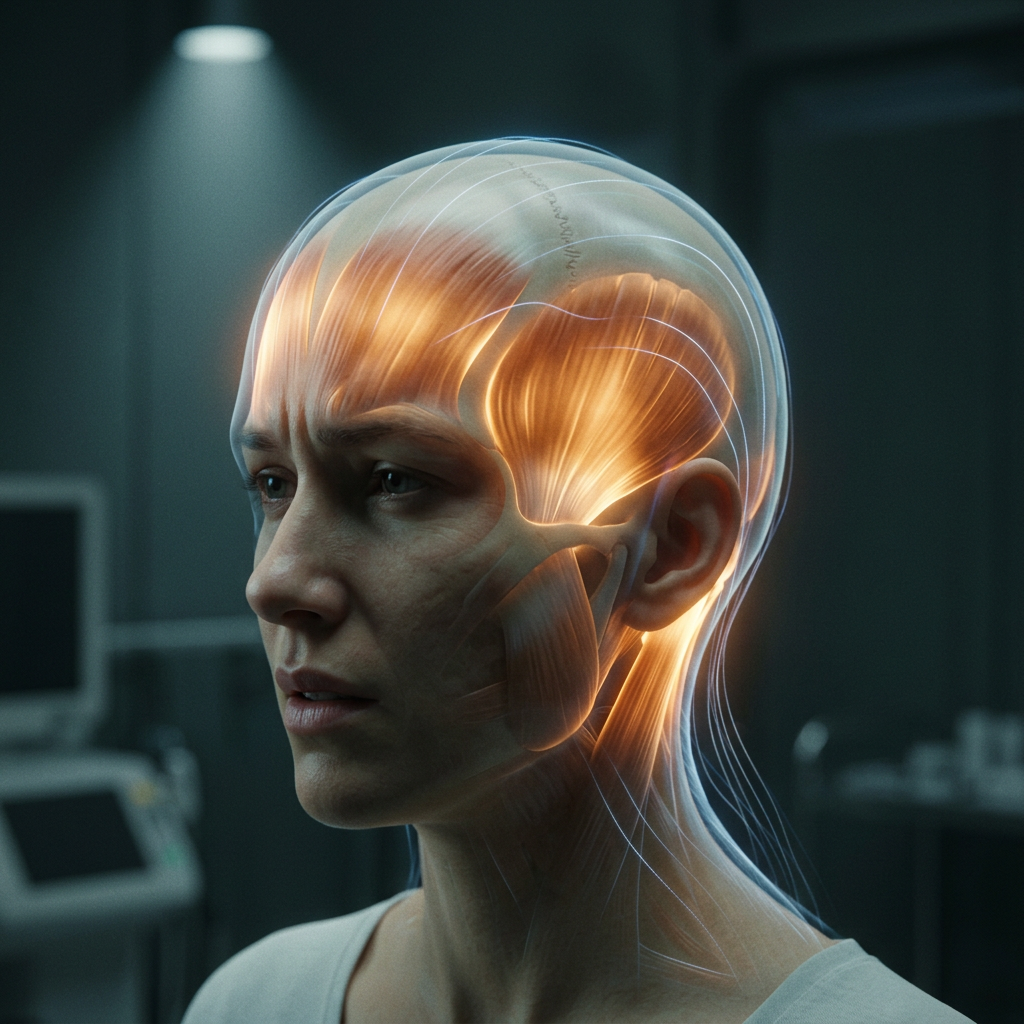
Also known as: TTH, Muscle Tension Headache, Stress Headache Tension headaches are the most common type of headache in the world, and yet they're consistently undertreated, often managed with over-the-counter pain relievers that provide temporary relief but don't address the underlying drivers. The defining characteristics are bilateral (both-sided), non-throbbing, pressing or tightening pain, often described as a band around the head or a weight pressing down from above. The driving mechanism is largely muscle tension in the neck, shoulders, and scalp, along with central nervous system sensitization in chronic cases. When you take a pain reliever more than twice a week for a tension headache, there's a real risk of developing "medication-overuse headache", a rebound cycle that paradoxically increases headache frequency over time.
You'll feel a dull, squeezing pressure across the forehead, temples, or back of the head, often radiating into the neck and upper shoulders. Tightness in the upper traps, scalenes, and suboccipital muscles (the small muscles at the base of the skull) is usually palpable and tender. Headaches can last from 30 minutes to several days. They typically peak in the afternoon after sustained postures, stress, or eye strain, and often ease with movement, hydration, or sleep.
Stress, poor sleep, sustained forward-head posture, bruxism (teeth grinding), eye strain, dehydration, and caffeine fluctuations are the leading triggers. Chronic cases often develop that medication-overuse component, worth knowing early so we can build a plan that doesn't create a new problem. Spinal manipulation of the cervical and thoracic spine has solid evidence for tension headache relief. We pair adjustments with suboccipital release (the small muscles at the base of the skull that commonly refer pain into the scalp) trigger point therapy in the upper trapezius and temporalis, and myofascial release along the cervical chain.
Deep neck flexor training and postural correction reduce recurring load on the cervical structures. We coach on stress management, sleep hygiene, hydration, and screen ergonomics. Class IV laser and dry needling are useful for stubborn trigger points. Most patients experience reduced headache frequency and intensity within four to eight weeks, and many find that addressing the underlying drivers produces results they weren't expecting from conservative care.
We may recommend: diversified adjustments, trigger point therapy, myofascial release, dry needling, Class IV laser, corrective exercise, ergonomic coaching Seek immediate care if: You experience a sudden "worst headache of your life," headache with fever and stiff neck, new neurological symptoms, headache after head trauma, or a significant change in your usual headache pattern: these warrant urgent evaluation.
How We Can Help
At Gentle Care Chiropractic, we take a multi-disciplinary approach, addressing the root cause of your condition, not just the symptoms.
Chiropractic Adjustments
Precise spinal and joint corrections to restore alignment, relieve nerve pressure, and reduce pain. Manual or instrument-assisted based on your needs.
Massage Therapy
Therapeutic massage releases muscle tension, improves circulation to injured tissue, and works synergistically with adjustments for faster recovery.
Physical Rehabilitation
Customized exercise programs strengthen supporting muscles, restore range of motion, and help prevent future flare-ups.
Laser Therapy
Cold laser therapy uses targeted light wavelengths to stimulate cellular healing, reduce inflammation, and relieve deep tissue pain without heat or discomfort.
Electrical Stimulation
E-stim therapy reduces pain and muscle spasm, improves circulation, and supports the healing process. Especially effective for acute injuries.
Personalized Care Plan
Every patient is different. We combine these therapies in a plan tailored to your diagnosis, goals, and lifestyle for the best possible outcome.
Frequently Asked Questions
Common questions about Tension-Type Headache, answered by our team.
What makes tension headaches different from migraines — how do I know which one I have?
The quality and associated features are the most reliable differentiators. Tension-type headaches are bilateral (both sides), non-throbbing, pressing or squeezing — like a band or a vice. They're not worsened by normal physical activity, and they don't typically come with nausea or sensitivity to light and sound (or only one of these mildly). Migraines are usually one-sided, throbbing or pulsating, worsen with movement, and are more often accompanied by nausea and significant light or sound sensitivity. Many patients have both types at different times — keeping a headache diary clarifies the pattern quickly.
Why do tension headaches often peak in the afternoon?
The timing reflects the accumulation of the mechanical and physiological triggers that drive them. After several hours at a desk, neck and shoulder muscles have been under sustained isometric load — not the kind that fatigues from movement, but the low-grade continuous tension of holding your head up and forward over a keyboard. Add eye strain from a screen, mild dehydration from inadequate water intake through the morning, and stress that builds through the workday, and the late afternoon is when those accumulated inputs tend to cross the threshold. Many patients find that a midday movement break, regular water intake, and ergonomic screen positioning significantly shift the timing and frequency.
Is it okay to take ibuprofen or acetaminophen every time I get a tension headache?
Occasional use is fine, but daily or near-daily use of over-the-counter pain relievers for headache — more than two to three days per week consistently — carries a real risk of developing medication-overuse headache, sometimes called rebound headache. The brain adapts to the regular presence of pain-relieving medication and becomes more headache-prone as a result. This is one of the more important reasons to address the underlying mechanical and postural drivers rather than relying on analgesics as a long-term strategy. Breaking a medication-overuse cycle often requires a supervised taper and is harder than preventing it in the first place.
Can clenching my jaw at night contribute to my tension headaches?
Yes — bruxism (nighttime jaw clenching or teeth grinding) is a significant and often overlooked contributor. The temporalis muscle, which covers the side of the skull and is heavily engaged in jaw function, is one of the most common referral sources for temporal headaches. Sustained clenching through the night also keeps the cervical musculature partially activated, as the muscles of the jaw, neck, and upper trapezius form a functional unit. If you wake up with headache or jaw tenderness, bruxism is worth investigating — a dental night guard paired with temporalis trigger point release and stress management can make a meaningful difference.
How quickly should I expect to see improvement with chiropractic care for tension headaches?
Many patients notice a reduction in headache frequency or intensity within three to four weeks of starting cervical and thoracic manipulation, suboccipital release, and trigger point work. A 2016 Cochrane review found that spinal manipulation produced similar benefits to prophylactic medications for tension headache, with effects maintained at follow-up. The difference is that chiropractic care addresses the musculoskeletal drivers rather than managing the output. Most patients see meaningful change in four to eight weeks; those with chronic daily tension headaches may take longer, particularly if medication-overuse is part of the picture and needs to be addressed simultaneously.
Ready to Find Relief?
You don't have to live with Tension-Type Headache. Our team at Gentle Care Chiropractic is here to help you recover and get back to doing what you love.