

Vestibular Dysfunction & BPPV post-MVA
Expert care for Vestibular Dysfunction & BPPV post-MVA at Gentle Care Chiropractic in West Linn, Oregon.
Understanding Vestibular Dysfunction & BPPV post-MVA
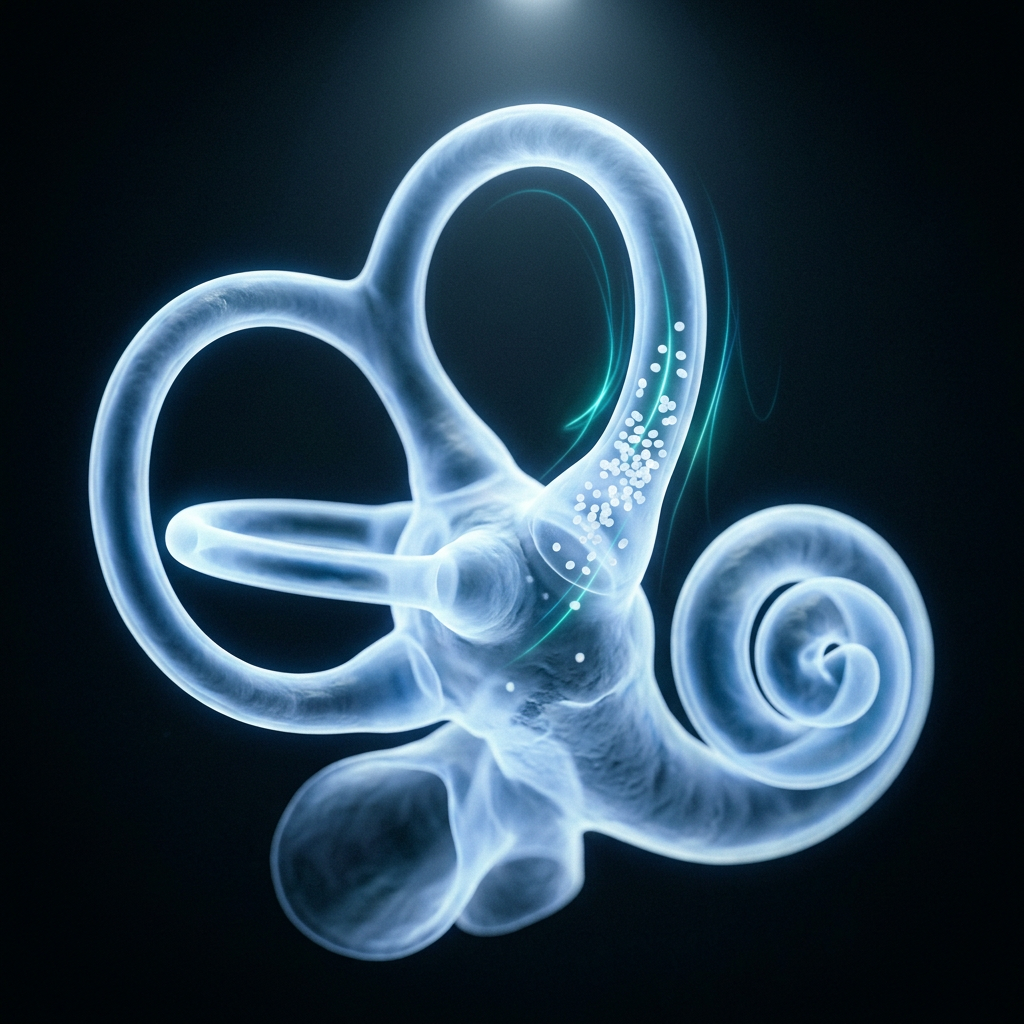
Also known as: Post-Traumatic BPPV, Benign Paroxysmal Positional Vertigo, Post-Accident Vertigo, Inner Ear Dizziness After Car Crash BPPV is one of the most rewarding conditions to treat because it often resolves in one to three visits when handled correctly, and it is extraordinarily common after motor vehicle accidents. The condition is caused by tiny calcium carbonate crystals (otoconia) that normally sit in the utricle of the inner ear becoming dislodged into one of the semicircular canals. The rapid head acceleration of an MVA shakes them loose. Once misplaced, they create abnormal fluid movement when you change head position, producing brief but intense spinning.
Brief, intense spinning (usually less than 60 seconds) triggered by rolling over in bed, lying down, getting up, tipping your head back, or bending forward is the hallmark. Between episodes you may feel fine or mildly unsteady. Because the episodes are so brief, patients often learn to avoid the triggering positions rather than timing them accurately, which inadvertently prolongs the problem, because the brain needs the input to recalibrate. Post-traumatic BPPV is more often bilateral or multi-canal than the idiopathic form, which requires careful diagnosis.
We diagnose with the Dix-Hallpike maneuver and the supine roll test, carefully identifying which canal in which ear is affected before treating. Treatment uses canalith repositioning maneuvers (Epley for posterior canal, BBQ/Lempert roll for horizontal canal) followed by habituation exercises, gaze stabilization, and balance retraining. We document findings carefully and coordinate with ENT or a vestibular specialist if symptoms don't respond as expected. We may recommend: vestibular rehabilitation, cervicovestibular therapy, VOMS-guided protocol, Activator, corrective exercise, postural rehab, myofascial release Seek immediate care if: You experience sudden hearing loss, constant spinning lasting hours, double vision, severe headache, slurred speech, or weakness on one side: these suggest central (brain) causes of vertigo requiring emergency evaluation.
How We Can Help
At Gentle Care Chiropractic, we take a multi-disciplinary approach, addressing the root cause of your condition, not just the symptoms.
Chiropractic Adjustments
Precise spinal and joint corrections to restore alignment, relieve nerve pressure, and reduce pain. Manual or instrument-assisted based on your needs.
Massage Therapy
Therapeutic massage releases muscle tension, improves circulation to injured tissue, and works synergistically with adjustments for faster recovery.
Physical Rehabilitation
Customized exercise programs strengthen supporting muscles, restore range of motion, and help prevent future flare-ups.
Laser Therapy
Cold laser therapy uses targeted light wavelengths to stimulate cellular healing, reduce inflammation, and relieve deep tissue pain without heat or discomfort.
Electrical Stimulation
E-stim therapy reduces pain and muscle spasm, improves circulation, and supports the healing process. Especially effective for acute injuries.
Personalized Care Plan
Every patient is different. We combine these therapies in a plan tailored to your diagnosis, goals, and lifestyle for the best possible outcome.
Dealing with this in West Linn, Lake Oswego or Oregon City?
Same-week appointments. PIP and most insurance accepted.
Frequently Asked Questions
Common questions about Vestibular Dysfunction & BPPV post-MVA, answered by our team.
Why am I dizzy weeks after my car accident if nothing showed on my brain scan?
A brain scan looks at structure — it won't detect displaced otoconia (the tiny calcium carbonate crystals of the inner ear) or disrupted vestibular signaling from the crash. BPPV and cervicogenic dizziness are clinical diagnoses, made by specific positional testing — the Dix-Hallpike and supine roll tests — not by imaging. Normal CT or MRI findings are completely compatible with significant vestibular dysfunction after an MVA.
What does BPPV feel like, and how is it different from just feeling "off"?
BPPV produces brief but intense spinning — typically lasting less than 60 seconds — triggered by specific position changes: rolling over in bed, lying back, sitting up, tipping the head back, or bending forward. Between episodes, you may feel mildly unsteady but otherwise okay. That position-specific, brief spinning is quite different from the more constant "foggy" unsteadiness of cervicogenic dizziness, though both can follow an MVA and both can coexist.
Can a chiropractor treat BPPV — isn't that an ENT issue?
Canalith repositioning maneuvers — the Epley for posterior canal BPPV, the BBQ roll for horizontal canal — have been performed by chiropractors, physical therapists, and ENTs for decades. When performed correctly after accurate canal identification, the success rate is around 80% within one to three treatments. ENT referral is appropriate when repositioning doesn't resolve symptoms or when hearing changes suggest a different inner ear problem.
Why would someone avoid the positions that trigger the spinning?
It's a natural protective response — if rolling left makes the world spin, you stop rolling left. The problem is that avoidance prevents the brain from recalibrating. BPPV typically improves more quickly with habituation exercises that gradually reintroduce the triggering movement, allowing the central nervous system to adapt to the signal. Sustained avoidance often prolongs BPPV significantly.
Post-traumatic BPPV — is it harder to treat than regular BPPV?
Sometimes, yes. Post-traumatic BPPV is more often bilateral (affecting both ears) or multi-canal than the idiopathic variety, which requires careful identification of exactly which canal in which ear is involved before treating. Treating the wrong canal makes symptoms worse. We take time with the diagnosis, and when cases don't respond as expected, we coordinate with a vestibular audiologist or ENT for further characterization.
Ready to Find Relief?
You don't have to live with Vestibular Dysfunction & BPPV post-MVA. Our team at Gentle Care Chiropractic is here to help you recover and get back to doing what you love.