

Hip Bursitis
Expert care for Hip Bursitis at Gentle Care Chiropractic in West Linn, Oregon.
Understanding Hip Bursitis
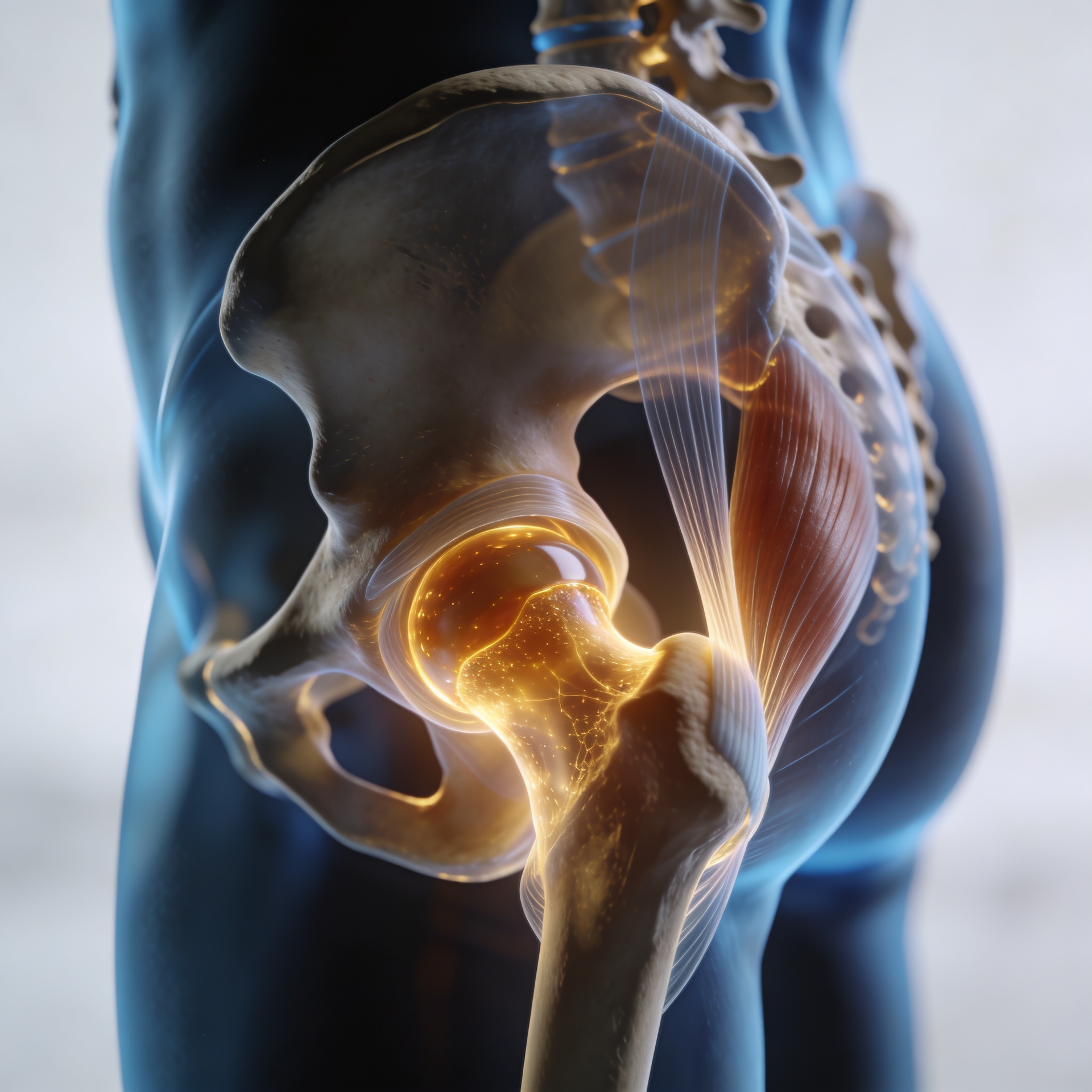
Also known as: GTPS, Trochanteric Bursitis, Gluteal Tendinopathy "Hip bursitis" is a diagnosis that's been due for an update, and the research has provided one. While the term suggests inflammation of the bursae (fluid-filled sacs over the greater trochanter on the outside of the hip), imaging and histological studies now show that most of these cases are actually gluteal tendinopathy — irritated or degenerating tendons of the gluteus medius and minimus — with or without bursal involvement. This distinction matters because tendinopathy responds best to progressive loading, not prolonged rest or repeated cortisone injections, both of which can weaken tendon tissue over time. Sharp or burning pain on the outside of the hip worsening when lying on that side at night, climbing stairs, standing on one leg, or after prolonged walking is characteristic.
Getting out of a car or crossing your legs often provokes symptoms. Women over 40 are most commonly affected, and weak hip abductors are nearly always part of the picture. We address the whole kinetic chain. Hip, SI joint, and lumbar spine adjustments restore balanced mechanics.
IASTM and soft-tissue work on the ITB, TFL, and lateral hip reduce compression on the tendons. The cornerstone of lasting recovery is progressive gluteus medius and minimus strengthening — slow, controlled loading is what actually rehabilitates tendinopathic tissue. Shockwave therapy has solid evidence for stubborn gluteal tendinopathy. Most patients see steady gains over eight to twelve weeks.
We may recommend: diversified adjustments, extremity adjustments, Graston/IASTM, ART, shockwave therapy, eccentric loading protocol, corrective exercise, orthotics Seek immediate care if: Hip pain follows a fall with inability to bear weight, or you experience fever, redness, and warmth over the hip suggesting infection.
How We Can Help
At Gentle Care Chiropractic, we take a multi-disciplinary approach — addressing the root cause of your condition, not just the symptoms.
Chiropractic Adjustments
Precise spinal and joint corrections to restore alignment, relieve nerve pressure, and reduce pain — manual or instrument-assisted based on your needs.
Massage Therapy
Therapeutic massage releases muscle tension, improves circulation to injured tissue, and works synergistically with adjustments for faster recovery.
Physical Rehabilitation
Customized exercise programs strengthen supporting muscles, restore range of motion, and help prevent future flare-ups.
Laser Therapy
Cold laser therapy uses targeted light wavelengths to stimulate cellular healing, reduce inflammation, and relieve deep tissue pain without heat or discomfort.
Electrical Stimulation
E-stim therapy reduces pain and muscle spasm, improves circulation, and supports the healing process — especially effective for acute injuries.
Personalized Care Plan
Every patient is different. We combine these therapies in a plan tailored to your diagnosis, goals, and lifestyle for the best possible outcome.
Ready to Find Relief?
You don't have to live with Hip Bursitis. Our team at Gentle Care Chiropractic is here to help you recover and get back to doing what you love.