

Postural Dysfunction / Forward Head Posture / Tech Neck
Expert care for Postural Dysfunction / Forward Head Posture / Tech Neck at Gentle Care Chiropractic in West Linn, Oregon.
Understanding Postural Dysfunction / Forward Head Posture / Tech Neck
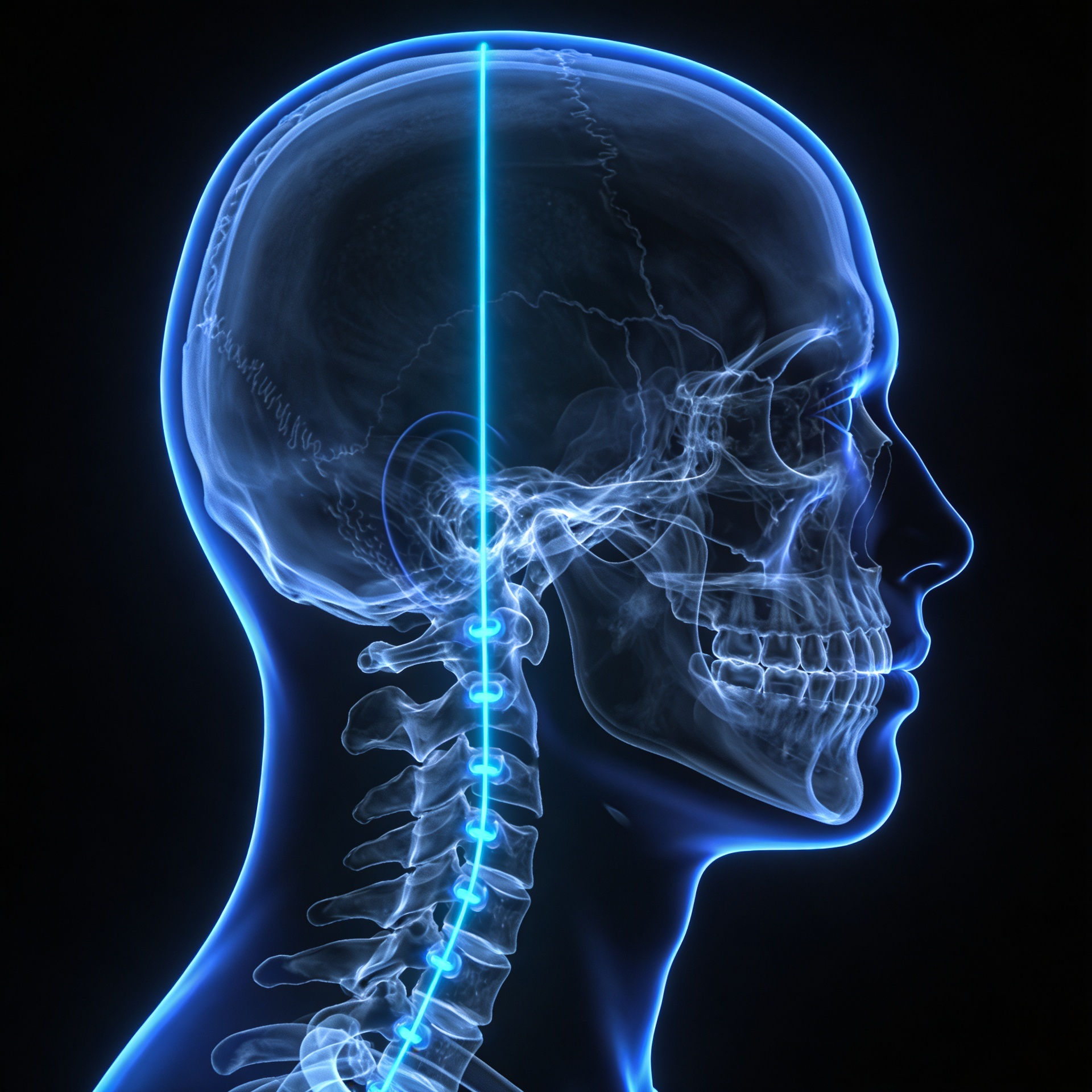
Also known as: Forward Head Posture, Tech Neck, Upper Crossed Syndrome For every inch the head translates forward of its neutral position over the shoulders, roughly ten additional pounds of effective load are placed on the cervical spine. Your head weighs ten to twelve pounds. If it's three inches forward (which is common after years of desk and phone use) your neck is managing load closer to forty pounds all day. That explains a lot about why tech neck produces the fatigue, aching, and headaches that it does.
The pattern (head forward, upper back rounded, shoulders drifted anterior) is driven by modern posture habits and sustained by muscle imbalances that become progressively entrenched. Aching across the base of the skull, between the shoulder blades, or along the sides of the neck after computer or phone use, tension headaches, suboccipital tenderness, and a sense of "stuckness" when trying to sit upright are characteristic. Many patients feel temporarily better when they move but return to discomfort quickly when back at the desk. Cervical and thoracic spinal adjustments restore segmental motion, followed by cervical traction (often using a Denneroll orthotic device) to help rebuild the natural cervical curve.
Soft-tissue therapy releases tight pecs and upper traps. Targeted exercises strengthen the deep neck flexors and scapular retractors. Ergonomic coaching for monitor height, chair setup, and phone use reinforces progress. Lasting postural change requires consistent home effort, the clinic visits provide correction and momentum, but the daily habits drive the outcome.
We may recommend: cervical and thoracic adjustments, Denneroll cervical traction, deep neck flexor strengthening, scapular retraction exercises, pectoral stretching, ergonomic workstation coaching, posture taping Seek immediate care if: Neck pain is accompanied by arm weakness, numbness into the hands, loss of bowel or bladder control, or follows a significant injury: these require urgent medical evaluation.
How We Can Help
At Gentle Care Chiropractic, we take a multi-disciplinary approach, addressing the root cause of your condition, not just the symptoms.
Chiropractic Adjustments
Precise spinal and joint corrections to restore alignment, relieve nerve pressure, and reduce pain. Manual or instrument-assisted based on your needs.
Massage Therapy
Therapeutic massage releases muscle tension, improves circulation to injured tissue, and works synergistically with adjustments for faster recovery.
Physical Rehabilitation
Customized exercise programs strengthen supporting muscles, restore range of motion, and help prevent future flare-ups.
Laser Therapy
Cold laser therapy uses targeted light wavelengths to stimulate cellular healing, reduce inflammation, and relieve deep tissue pain without heat or discomfort.
Electrical Stimulation
E-stim therapy reduces pain and muscle spasm, improves circulation, and supports the healing process. Especially effective for acute injuries.
Personalized Care Plan
Every patient is different. We combine these therapies in a plan tailored to your diagnosis, goals, and lifestyle for the best possible outcome.
Dealing with this in West Linn, Lake Oswego or Oregon City?
Same-week appointments. PIP and most insurance accepted.
Frequently Asked Questions
Common questions about Postural Dysfunction / Forward Head Posture / Tech Neck, answered by our team.
Can forward head posture actually be corrected, or is it permanent once it develops?
It can be meaningfully improved — but the degree of correction depends on how long it's been present and whether any structural disc or bone changes have occurred. For most patients with functional forward head posture (muscle and joint-driven, not yet structural), consistent chiropractic care, cervical traction with tools like a Denneroll, and daily postural exercise produce real, measurable improvement over eight to sixteen weeks. The longer the pattern has been established, the more work it takes.
My neck clicks and cracks when I move it — is that a sign of damage?
Usually not. Joint sounds (called crepitus) are common and often harmless — they're typically gas bubbles releasing from joint fluid or tendons moving over bony surfaces. They don't indicate grinding of bone on bone. That said, clicking with pain, locking, or neurological symptoms like arm tingling is worth evaluating, because those patterns can reflect joint dysfunction that needs attention.
How much does working from home (without a proper desk setup) contribute to this?
Quite a lot. Laptop use on a couch, a kitchen table at the wrong height, or a chair without lumbar support puts the head forward and the upper back rounded for hours at a time. Remote workers often have worse ergonomic setups than office environments. We do a workstation assessment as part of care because getting the screen at eye level, supporting the lumbar spine, and using a separate keyboard make a significant difference in how quickly you improve.
Will I need to come in indefinitely, or is there a point where I'm "fixed"?
The goal is a corrected posture that you can maintain with your own daily habits — not ongoing clinic dependence. Most patients reach a stable, improved state within eight to sixteen weeks of active care. After that, many do well with occasional maintenance visits (monthly to quarterly) as a check-in, combined with a consistent home exercise routine. Some patients discharge entirely and stay well with self-care.
My headaches feel connected to my neck posture — is that actually a thing?
Very much so. Cervicogenic headaches (headaches originating from the neck) are directly driven by tight suboccipital muscles, stiff upper cervical joints, and the nerve-rich tissue at the base of the skull. When forward head posture loads those structures, they refer pain into the scalp and temples. Addressing the posture systematically — not just taking pain relievers — is what produces lasting headache reduction.
Ready to Find Relief?
You don't have to live with Postural Dysfunction / Forward Head Posture / Tech Neck. Our team at Gentle Care Chiropractic is here to help you recover and get back to doing what you love.