

TMJ Disorder
Expert care for TMJ Disorder at Gentle Care Chiropractic in West Linn, Oregon.
Understanding TMJ Disorder
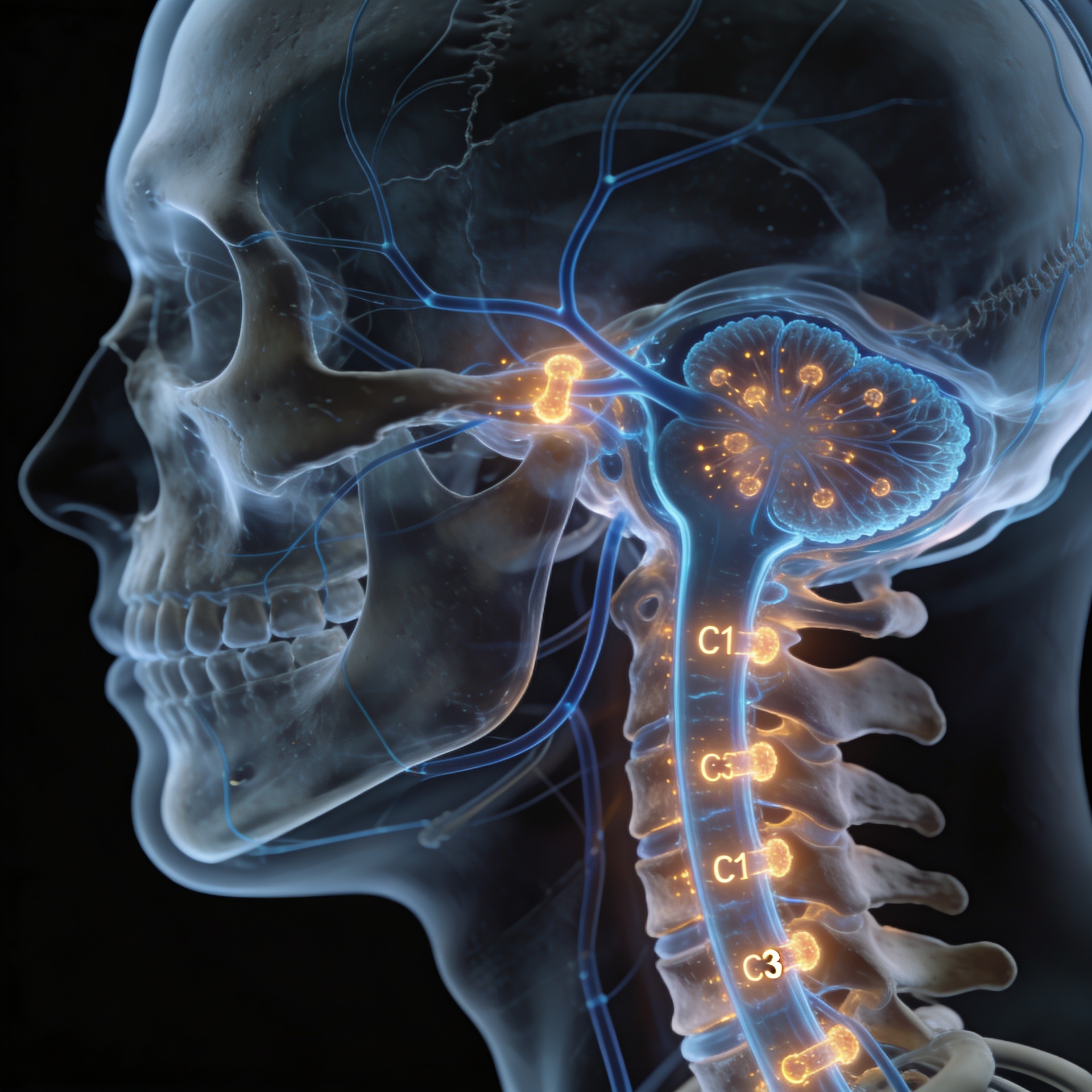
Also known as: TMD, Temporomandibular Joint Dysfunction, Jaw Joint Disorder The temporomandibular joints — the hinges just in front of each ear where your lower jaw connects to your skull — are some of the most-used joints in the body, working through every bite, word, and yawn. A small disc inside each joint allows smooth opening and closing, and when that disc, the surrounding muscles of mastication, or the upper cervical spine become dysfunctional, the result is TMD. The condition is typically multifactorial — involving the jaw joint, the chewing muscles, and the upper neck — which is why treating the jaw in isolation so often produces incomplete results. Jaw pain, clicking or popping when opening, a jaw that deviates to one side, limited mouth opening (less than about 40 mm, or three fingers), ear fullness, facial muscle tenderness, and temple headaches are common.
Chewing tough foods, yawning, and long dental appointments often flare symptoms. Many patients wake with a sore, tight jaw from nighttime grinding (bruxism) that they weren't aware of. Bruxism, stress, malocclusion, trauma, and upper cervical joint dysfunction all contribute. TMD is most common in women aged 20 to 40.
Meta-analyses support chiropractic care for TMD. We use gentle intraoral and extraoral release of the masseter, temporalis, and medial and lateral pterygoid muscles, mobilize the TMJ itself, adjust the upper cervical spine (which shares neurology with the jaw), and teach jaw-tracking and posture exercises. Stress-reduction and sleep-position coaching support recovery. Most patients notice meaningful change within four to eight visits.
We co-manage with your dentist regarding occlusal splints when indicated. We may recommend: mobilization, diversified adjustments, Activator, trigger point therapy, low-level laser, corrective exercise, massage therapy Seek immediate care if: Your jaw locks open or closed and won't release, or facial pain is accompanied by fever, severe headache, or vision changes.
How We Can Help
At Gentle Care Chiropractic, we take a multi-disciplinary approach — addressing the root cause of your condition, not just the symptoms.
Chiropractic Adjustments
Precise spinal and joint corrections to restore alignment, relieve nerve pressure, and reduce pain — manual or instrument-assisted based on your needs.
Massage Therapy
Therapeutic massage releases muscle tension, improves circulation to injured tissue, and works synergistically with adjustments for faster recovery.
Physical Rehabilitation
Customized exercise programs strengthen supporting muscles, restore range of motion, and help prevent future flare-ups.
Laser Therapy
Cold laser therapy uses targeted light wavelengths to stimulate cellular healing, reduce inflammation, and relieve deep tissue pain without heat or discomfort.
Electrical Stimulation
E-stim therapy reduces pain and muscle spasm, improves circulation, and supports the healing process — especially effective for acute injuries.
Personalized Care Plan
Every patient is different. We combine these therapies in a plan tailored to your diagnosis, goals, and lifestyle for the best possible outcome.
Ready to Find Relief?
You don't have to live with TMJ Disorder. Our team at Gentle Care Chiropractic is here to help you recover and get back to doing what you love.